Wireless Broadcast Cables: Enabling High-Quality Video and Audio Transmission
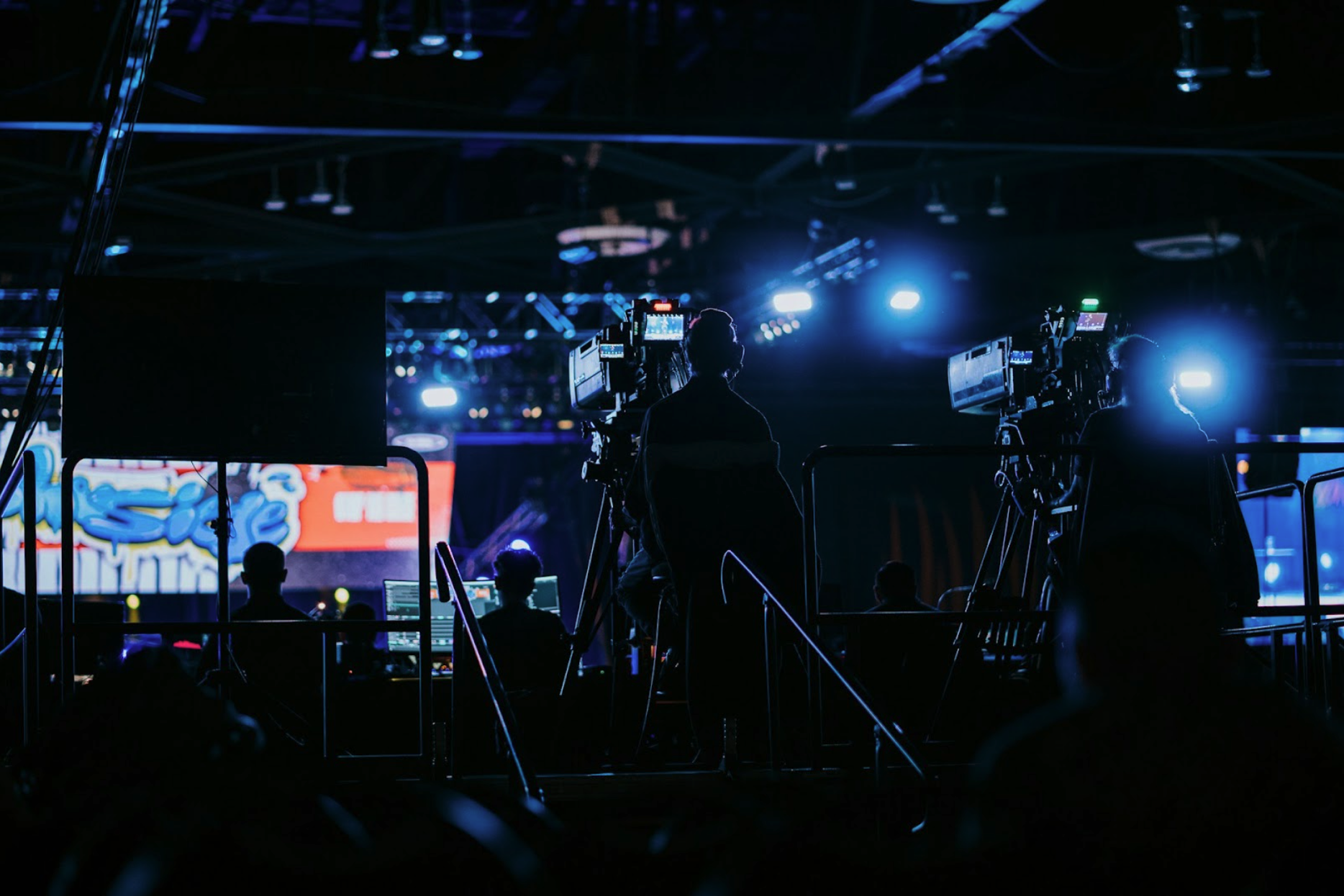
When building a modern AV or broadcast system, it starts with signal integrity. Cameras, switchers, control processors, lighting, and audio all depend on clean, predictable connections. Even when a production workflow includes wireless links for mobility, the backbone that ties the system together is still cabling. The right set of wireless broadcast cables supports the low-latency, high-resolution signals that teams expect in studios, corporate AV environments, live events, and education.
As formats move from 1080p to 4K and 8K, and as control expands to room-wide lighting and shading, cable quality becomes the quiet driver of reliable performance. This discussion explores the approach to cable roles across video, audio, and control, and how matching construction, shielding, and standards to the specific job creates a consistent foundation for high-quality video and audio transmission.
Understanding wireless broadcast cables in professional AV systems
The phrase “wireless broadcast cables” can sound like a contradiction. It describes the cabling that supports wireless production and control paths, carrying baseband signals, sync, power, and command data to and from the devices that enable wireless communication. Bodypack transmitters dock to charge via patch cables, remote receivers connect to routers using digital coax cable, and intercom and audio processors rely on dependable AV audio cables to transfer balanced analog or AES signals between stages.
These links require tight impedance control, robust shielding, and consistent termination to maintain stable bit rates and maintain quiet audio. When an event depends on live switching and uplinks, the cable layer inside the rack room and behind the walls protects the path from dropped frames, lip sync drift, and audible noise.
Quality shows up in measurable ways. Lower attenuation preserves headroom on long runs. Better braid and foil coverage reduce electromagnetic interference from lighting dimmers and power distribution. Consistent dielectric materials support clock accuracy at higher data rates. It’s easy to see the payoff when cameras cut cleanly, graphics render sharply, and sound remains free from hum.
Integrating broadcast cables with control systems
Control brings the system to life. In a professional environment, integrate cabling with Crestron, AMX, and Lutron platforms, which allows operators to manage sources, destinations, lighting looks, shades, and presets from a single interface. The cable choices behind that simplicity matter. A control system might command a video matrix, set mic levels, and recall room scenes while synchronizing lighting cues with playback. Each of those signals travels over a conductor that must reject noise and deliver accurate timing.
With Crestron, centralized processors coordinate displays, switchers, amplifiers, and network bridges. AMX excels at distributing real-time commands and switching AV across complex facilities. Lutron provides lighting control and shade control that shape the viewing environment for cameras and audiences. Our team views control cabling as a separate signal class that encompasses everything. We pick constructions that support bidirectional data, maintain stable capacitance, and survive repeated bending in racks and furniture. A good cable provides the control processor with a trustworthy path to every device, allowing macro commands to execute predictably.
Signal communication standards: RS-232, RS-485, and DMX
Legacy does not mean obsolete. Many reliable control paths still use serial standards because they are simple, deterministic, and proven in tough environments. Lean on these three families.
RS-232 wire and cable support point-to-point connections for device control at shorter distances. It remains common for projectors, displays, and legacy switchers that expose serial command sets. Solid copper conductors and effective shielding reduce susceptibility to noise, while correct conductor pairing maintains clean timing.
RS485 enables multi-drop communication over longer distances with higher noise immunity. It is well-suited for daisy-chained device networks and building-wide control, where a single twisted pair carries robust differential signals. Here we look for twisted, shielded pairs with consistent impedance and low capacitance per foot so rise times remain within spec across a string of devices.
DMX sits at the heart of entertainment lighting control. It drives fixtures, dimmers, and effects with repeatable timing across 512 channels per universe. Cable that meets DMX’s impedance and shielding expectations keeps the show steady. When DMX networks cross audio or RF paths, better shielding and proper pair geometry prevent crosstalk that can cause visible flicker or data errors. Route DMX and RS485 in the same disciplined way and select equivalent electrical properties to support clean edges and accurate decoding.
Supporting advanced video and audio formats
High-resolution video stresses every link. Moving uncompressed 1080p, 4K, or 8K signals demands cabling that holds its electrical properties as frequencies climb. Digital coax cable for SDI and similar transports performs best when the dielectric stays uniform and the shield coverage remains high along the entire run. Any irregularity introduces reflections that show up as jitter, bit errors, or a total loss of lock. In head-ends and flypacks, select coax with published return loss and attenuation curves that match the required distances and formats. Precise connectors then complete the system without adding unwanted impedance bumps.
Audio paths need equal attention. An AV audio cable with true balanced construction and effective shielding preserves low noise floors for mic and line signals. For networked audio and control hybrids, treat cabling choices as signal-specific. Even when the transport rides on Ethernet, the jacket rating, twist geometry, and shielding approach play a part in reliability around power supplies, motors, and broadcast RF gear.
Synchronization matters too. Multi-camera shows rely on genlock and timecode to keep switches smooth and edits painless. Any jitter caused by poor cable geometry or loose shielding shows up as subtle frame slips or clicks. When matching cable to format and distance with margin to spare, sync holds across the day.
Applications across commercial and broadcast environments
The same principles apply in many venues. Live event production links cameras, stage boxes, and mixing consoles to control and monitoring positions. Cables support power and data for wireless microphone receivers, camera control units, and wireless video receivers. Corporate AV systems connect presentation switchers to displays and DSPs across conference rooms and divisible halls, using patch cables and control wiring to tie devices to processors. Educational institutions rely on consistent signal flow for lecture capture, auditorium sound, and distance learning, where clean serial control and dependable media transport let small teams operate large systems.
Broadcast and media facilities run 24 hours a day. They value repeatability, serviceability, and clear documentation. In each of these settings, the cable layer creates a stable foundation for the workflow. When the signal floor stays quiet and the timing stays inside spec, talent and operators can focus on content instead of troubleshooting.
Engineering for long-term reliability and performance
Longevity comes from construction choices. Seek copper that retains its shape, foamed
dielectrics that resist moisture and compression, and shields that provide both coverage and mechanical strength. Jacket compounds contribute to abrasion resistance and flexibility, which are crucial when racks move and cables undergo repeated handling. Standards compliance provides an objective check on those claims. When cabling meets applicable electrical and safety requirements, the system achieves a baseline of performance that withstands routine use.
Shielding deserves a closer look. Layered shields combine foil for high-frequency coverage with braid for mechanical durability and lower-frequency rejection. In high RF environments, this combination prevents external energy from modulating data lines and prevents internal energy from radiating into nearby microphones or wireless receivers. Good shielding also supports serial reliability. RS-232, RS-485, and DMX all benefit from conductors that maintain impedance and resist coupled noise from adjacent power conductors and lighting dimmers.
Documentation should also be part of reliability. Clear labeling and as-built cable schedules reduce downtime, speed replacements, and help teams expand systems without guesswork.
Bringing it together with control platform compatibility
Compatibility with Crestron, AMX, and Lutron matters because these platforms coordinate the user experience. When a director calls a preset, the system may mute audio, lower screens, set exposure-friendly lighting control, and adjust shade control to manage reflections, then cue playback.
The cabling behind those actions carries discrete control strings, serial protocols, and audio-video data with tight timing. Select conductors that match each signal path and then group them logically in harnesses and trunks, allowing service teams to follow them easily. By aligning cable types with platform requirements, it gives the control processor clear visibility and reliable command delivery.
A quick word on testing and verification
Before a system goes live, verify links. For digital video, that might involve eye pattern checks or bit error rate monitoring. For audio, listen for noise and confirm headroom. For serial and lighting networks, validate addressing and monitor traffic for retries or errors.
Cables that meet spec make those tests straightforward. They also create a margin for the unexpected, such as a last-minute camera relocation or an added stage wash. Strong cabling choices give the team flexibility to adapt without chasing intermittent faults.
Connecting the future of broadcast technology
Cabling should be viewed as the quiet partner in every great production. The right mix of wireless broadcast cables, control links, video transports, and serial paths supports smooth, synchronized, high-resolution AV in studios, campuses, boardrooms, and live venues.
When the cable layer delivers predictable impedance, strong shielding, and stable materials, video locks fast, audio stays clean, and control feels instantaneous. That is the experience audiences notice, even though they never see the cables that make it possible.
If you want to dig deeper into signal paths and media transport choices for pro AV, start with our Seamless Video Transmission overview. Explore additional guides and reference material in our AV Resource Center. Have a project that needs help aligning video, audio, and control system cabling with platform requirements from Crestron, AMX, or Lutron, contact us.
With thoughtful selection across AV audio cable, digital coax cable, RS-232 wire and cable, RS485, DMX, and well-organized patch cables, it creates dependable, scalable foundations for broadcast and commercial AV. Our team approaches every system with the same goal. Build a signal path that supports today’s formats, survives daily use, and delivers the clarity that producers, presenters, and audiences expect.
