Why 14 AWG Fire System Wire Is a Core Component of Commercial Fire-Alarm Infrastructure
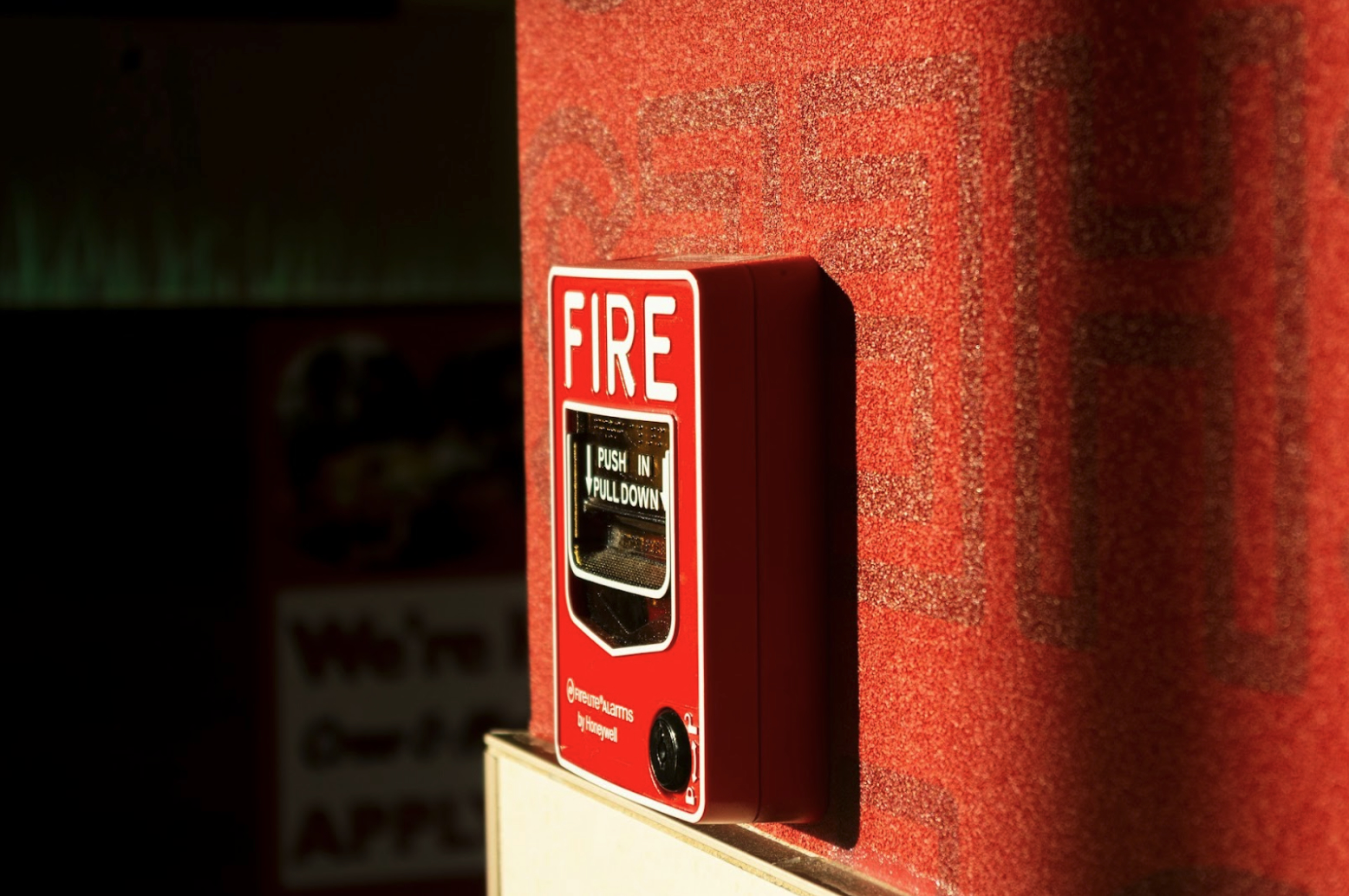
When examining commercial fire protection, there should always be some focus on the conductors that sit behind every panel, horn strobe, detector, and relay. A modern fire alarm system operates as a life-safety network that relies on the cable choices made during the specification stage. Conductor gauge and fire rating strongly influence how that network performs during an emergency. In this context, Fire System 14 AWG wire stands out as a core option for many projects because it balances electrical performance, durability, and alignment with standard code requirements.
This article will focus on how 14 AWG supports commercial fire alarm systems, how it relates to other conductor sizes, and how it fits within a broader family of fire life safety wire and cable products.
The Role of Conductor Gauge in Commercial Fire-Alarm Systems
A commercial fire alarm system functions as a dedicated communication and power network. Initiating devices, notification appliances, control relays, and monitoring points all tie back to panels through specialized fire system cable. Those conductors support power delivery, signaling, and supervision from the control room to the most remote device.
Conductor gauge sits at the center of that performance. Wire size affects resistance per foot, voltage available at the end of the run, and the current that a circuit can support within safe limits. When a designer specifies 14 AWG fire systems cable, that choice reflects calculations around device load, circuit length, and system topology across the commercial fire alarm systems in the building. Gauge selection becomes a key engineering decision that links equipment capability to the physical realities of the cabling network.
Understanding 14 AWG as a Fire System Conductor
Within low-voltage fire alarm cable, 14 AWG occupies a very practical middle ground. It offers significantly lower resistance than smaller conductors while remaining manageable for routing through raceways and cabinets. That combination makes 14 AWG fire systems wire a common choice wherever circuits carry more current or extend across larger floorplates and vertical risers.
It's common to associate 14-gauge fire alarm wire with notification appliance circuits that supply horns, strobes, speakers, or combination devices. These loads draw current continuously during alarm events and often sit at the outer edges of a building. 14 AWG provides a level of voltage support and current capacity that aligns well with many of those designs. Control and supervisory circuits also benefit from the stability of 14 AWG, even when their current draw is smaller, because predictable resistance helps maintain clear signaling and supervision across long routes.
Engineering Factors That Support 14 AWG Usage
Several technical factors explain why 14 AWG appears so frequently in fire system specifications. Voltage drop often leads the list. Every additional foot of conductor adds resistance, which reduces the voltage between the panel and the last device. If that drop becomes excessive, notification appliances may not meet their operating thresholds. 14 AWG conductors provide lower resistance per foot than smaller sizes, which helps keep circuits within acceptable voltage margins.
Load requirements also influence gauge selection. As more devices are added to a circuit, the total current increases. Fire system cable that uses 14 AWG conductors supports higher ampacity than smaller alternatives, which helps keep currents within the capabilities of listed power supplies. Circuit topology adds another layer. Fire alarm cable that incorporates 14 AWG conductors responds well to those longer and more complex paths without pushing resistance too high.
Code, Ratings, and Compliance Considerations
Life-safety circuits operate under codes and standards that define acceptable materials and performance. Conductor gauge interacts with those requirements alongside cable classifications and routing rules. Many standards identify minimum conductor sizes for particular life-safety circuits. Those requirements address mechanical strength, overcurrent protection, and expected operating conditions in commercial environments. Fire life-safety wire and cable selections often begin with those minimum requirements and then add additional margin to support long runs and higher device loads.
Cable classifications add structure to that decision. Specifiers select fire-rated cable types, such as FPL, FPLR, and FPLP, based on the space a cable will occupy. Some projects also require fire-resistant cable that carries circuit integrity ratings, which define how long circuits must continue to operate under direct exposure to fire. When paired with 14 AWG conductors, those classifications support both electrical performance and survivability. In many commercial fire alarm systems, this combination forms the backbone of critical notification and control circuits.
14 AWG and 12 AWG Within Fire System Design
Although this discussion centers on 14 AWG, it helps to view it alongside neighboring conductor sizes. 12 awg fire systems cable sits one size larger and offers even lower resistance and higher ampacity. For very long runs or circuits that support particularly large groups of notification appliances, calculations may show that 12 AWG better supports voltage and current limits. In those cases, 12 awg wire for fire systems appears in the specification as the preferred choice.
In many projects, 14 AWG serves as the primary gauge for notification, control, and supervisory circuits, while 12 AWG appears where distance and load push electrical demands higher. The presence of both sizes in a fire system cable portfolio gives design teams the flexibility to assign conductor gauges circuit by circuit. That approach maintains performance while avoiding unnecessary material size in areas where 14 AWG already meets the design goals.
Manufacturing Choices and High-Integrity Fire System Cable
Conductor gauge alone does not define cable performance. The materials and construction methods that surround the copper matter just as much. Consistent metallurgy and stranding influence resistance, flexibility, and long-term stability. Insulation compounds affect dielectric properties and their behavior at elevated temperatures. Jacket materials affect flame spread characteristics, smoke generation, and mechanical protection during installation and service.
When evaluating 14 AWG fire systems wire from a specification standpoint, look for fire alarm cable constructions that align conductor size with tested insulation and jacket systems. A well-designed fire system cable supports reliable operation throughout its service life in commercial settings that may combine temperature shifts, mechanical stress, and crowded pathways. Availability of multiple listings within the same family, such as plenum and riser versions built around comparable 14 AWG conductors, also supports consistent performance across different areas of a building.
14 AWG Within a Broader Fire System Cable Portfolio
Think of 14 AWG as a central anchor point within a broader fire system cable lineup. Smaller conductors may serve short, low-current signaling paths, while larger sizes support long, heavily loaded circuits or those that must satisfy stringent circuit integrity criteria. Within that spectrum, 14 AWG covers a wide range of notification appliance circuits, emergency control paths, and supervisory loops that cross multiple floors and wide open areas.
By pairing 14 AWG with appropriate fire rated cable or fire resistive cable constructions, specifiers can assemble coordinated life-safety circuits that reflect the calculations and code references behind the design. Fire alarm cable offerings that include 14 AWG in different pair counts and configurations add further flexibility. Designers can support varied circuit types while maintaining common materials and product families, which simplifies documentation, procurement, and long-term maintenance for commercial fire alarm systems.
The Continuing Importance of 14 AWG Fire System Wire
From an engineering perspective, 14 AWG remains a core component of commercial fire-alarm infrastructure. It blends manageable size with solid current-carrying capability and favorable resistance characteristics for many notification, control, and supervisory circuits. When combined with appropriate fire-rated cable or fire-resistant cable constructions, it supports the circuit integrity goals that modern codes and standards associate with life-safety networks.
Fire system 14 AWG wire therefore continues to serve as a foundation for many commercial fire alarm systems. Used alongside options such as 12 AWG fire systems cable, it provides design teams with a flexible toolkit for matching conductor selection to system demands, building layouts, and code-driven objectives. For a deeper look at this topic, you can review a focused discussion of 14 AWG fire wiring posted before.
To explore a wider range of fire alarm cable products and related fire system cable constructions, visit the Fire Resource Center.
For project-specific questions about gauge selection, fire alarm cable ratings, or product availability, reach out through the contact page.
