Integrating Wireless Broadcast Cables with Control Systems for Seamless AV Performance
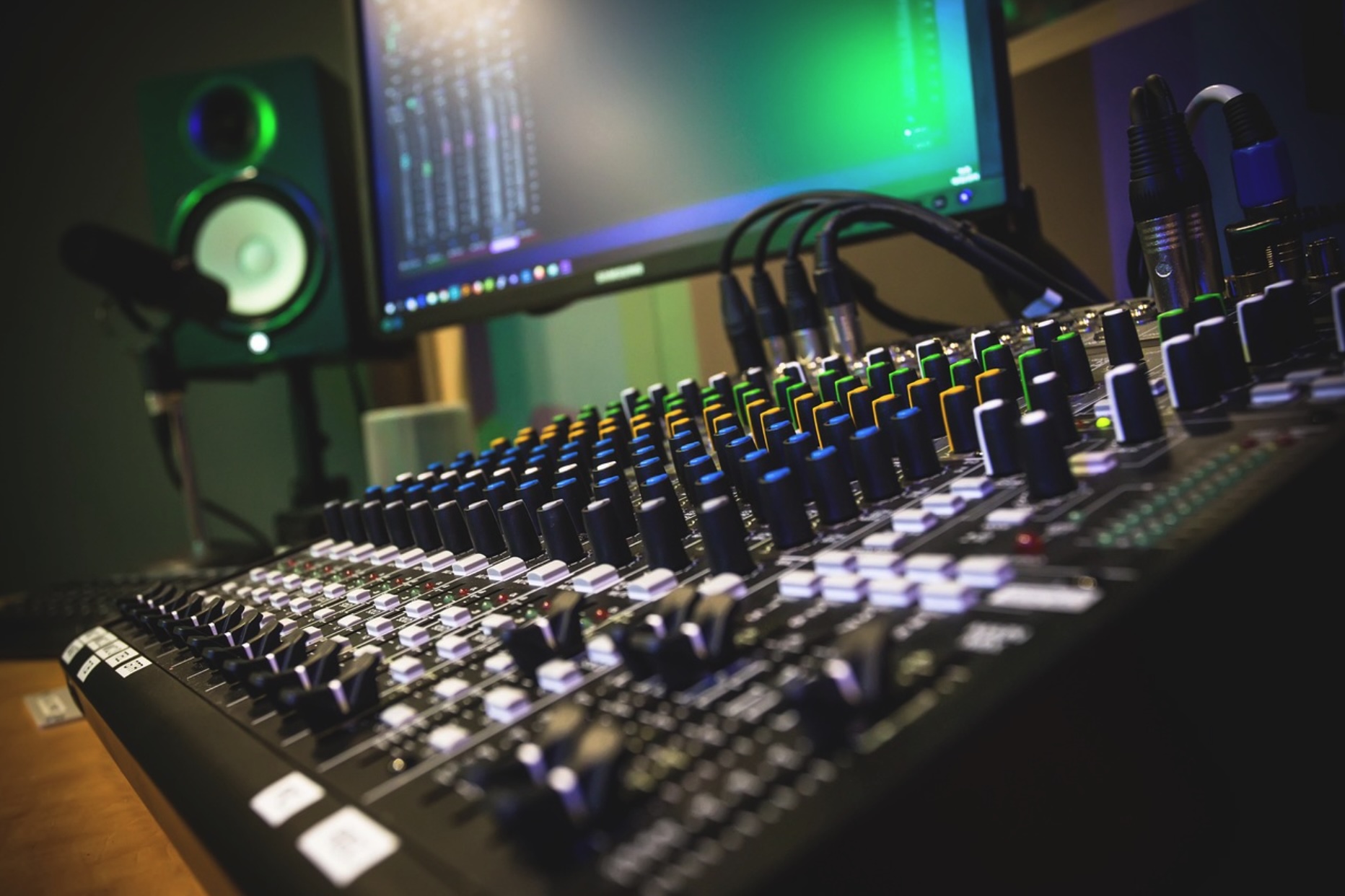
Modern AV systems rely on synchronization between audio, video, lighting, and control elements. Even with advances in wireless technology, the backbone of every professional setup remains a network of dependable broadcast cables. The goal is clear communication between devices and consistent performance under demanding conditions.
This article explores how wireless broadcast cables work alongside control systems such as Crestron, AMX, and Lutron to connect key AV components. It outlines the roles of major cable types, including AV audio cable, digital coax cable, RS-232 wire and cable, RS485, and DMX. Understanding the synergy of these cables with control platforms lays the groundwork for examining why dependable cabling remains essential, even as wireless technologies advance.
Why Control Systems Still Depend on Reliable Cabling
AV systems may seem wireless, but their core infrastructure depends on structured cabling. Wireless broadcast cables support hybrid setups, allowing devices to operate untethered while returning signals to a wired core for routing and monitoring.
Control systems, such as Crestron, AMX, and Lutron, coordinate processors, switchers, and end devices. Consistent signal transmission is crucial for automation scripts to function reliably.
A stable physical layer, comprising AV audio cable, digital coax cable, and control wiring, enables these systems to trigger precise transitions, synchronize timing, and manage multiple devices in real-time. Together, these elements ensure that operation feels seamless. Next, it is crucial to understand the distinct characteristics and roles of the core cable types used in professional AV environments.
Core Cable Types in a Broadcast-Ready Controlled AV Environment
AV Audio Paths – From Source to Audience
In professional AV systems, signal integrity depends on how audio travels between components. AV audio cable and digital coax cable transmit program feeds, intercom signals, and monitoring channels. These cables carry low-noise signals between digital processors, amplifiers, and loudspeakers while maintaining a balanced or coaxial structure that minimizes interference.
When used within control ecosystems like Crestron or AMX, audio routing becomes automated. A single command can change input sources, adjust volume zones, or mute feeds during broadcast transitions. Consistent impedance and shielding maintain a clean audio path, even across long distances or near high-power lighting circuits.
High-quality AV audio cables allow for clean switching and minimal noise, ensuring consistent tone and clarity throughout the audio program.
Control Communication – RS-232 and RS485
Control lines form the link between processors and devices such as projectors, switchers, or codecs. RS-232 wire and cable is a long-standing standard for serial control in AV systems. It supports point-to-point communication and remains a reliable option for legacy and modern components.
RS485 supports long cable runs or many devices using differential signaling, which resists noise and allows multiple nodes. Both RS-232 and RS485 are essential for command and feedback between processors and devices.
Crestron and AMX processors routinely use RS-232 and RS485 for managing distributed equipment. These connections reliably transmit essential control data between sources and devices.
Patch Cables in the Rack and Beyond
Patch cables connect switchers, routers, encoders, and control processors in racks. They allow quick signal path changes and flexibility for short-distance connections.
Patch cables keep high-density environments organized. Clear labeling and color coding simplify troubleshooting, reduce downtime, and enable faster control changes.
Well-organized patching also maintains steady electrical performance, preventing signal loss or timing errors in the control system. With strong connectivity established, integrating lighting and shading further streamlines AV workflows.
Integrating Lighting and Shading into Broadcast and AV Workflows
DMX and Advanced Lighting Control
Lighting is integral to broadcast and performance environments, as it influences camera balance, focus, and scene depth. The DMX protocol remains a foundational control method for theatrical and studio lighting.
DMX cabling transmits digital control data between lighting consoles, dimmers, and fixtures. Within a broader control system, Crestron or AMX platforms can trigger lighting cues based on programmed events. For instance, a system might recall a preset scene that simultaneously adjusts lights, activates cameras, and launches playback.
Lighting commands travel through control networks via rated DMX cables, ensuring precise timing. Proper impedance, shielding, and conductor layout provide low latency and high reliability. With lighting managed, shade control is the next focus for environmental consistency.
Shade Control in High-Performance AV Spaces
Shade control plays an equally important role in maintaining lighting consistency. In presentation or broadcast environments, uncontrolled sunlight can affect visibility and image quality.
Manufacturers like Lutron specialize in shade systems that integrate directly with AV and control platforms. Motorized shades respond to the same commands that trigger lights or audio transitions. When a broadcast begins, shades can automatically lower while lights adjust to match the camera exposure level.
Shade motors and controllers use low-voltage cables for fast response. Integration creates stable environments that support high-quality production and reduce operator workload, showing how wireless and wired systems together ensure AV reliability.
How Wireless Broadcast Workflows Rely on a Strong Wired Foundation
The term “wireless broadcast cables” reflects today's hybrid AV systems: wireless devices connect to receivers, which then link to a wired core via structured cabling.
Every wireless signal eventually becomes a physical one. After wireless devices capture or transmit data, the feed enters the main distribution system through AV audio cable, digital coax cable, or network patching. This step delivers stability, grounding, and quality control that wireless links alone cannot achieve.
The Crestron, AMX, and Lutron platforms maintain system synchronization through a wired backbone. Wireless commands still pass through physical control layers to devices. Bridging wireless flexibility with wired reliability is critical for seamless system transitions.
Designing for Seamless AV Performance and Reliable Automation
Every subsystem in an AV environment interacts with others. Audio, video, lighting control, and shade control share power sources, conduits, and pathways. Signal quality in one part of the network can influence another.
Achieving consistent automation requires attention to the performance characteristics of each cable type:
- RS-232 wire and cable for serial control links between devices and processors.
- RS485 for long-distance or multi-device communication.
- AV audio cable and digital coax cable for clear program and monitoring paths.
- DMX cabling for precise lighting control.
- Low-voltage conductors for shade and motorized mechanisms.
Each must operate within its designed electrical parameters to maintain system integrity. When control systems execute a command, such as starting a video feed while dimming lights and adjusting shades, all of these circuits work together. Predictable electrical behavior across the cabling network allows control processors to maintain timing accuracy and smooth transitions.
Reliable cables enhance user experience. Operators depend on synchronized, one-touch automation. Any lapse in communication disrupts sequences. Consistent cables ensure uniform response across devices. These foundations enable holistic AV integration.
Bringing It All Together
Wireless broadcast technology adds flexibility to AV environments, but wired infrastructure anchors stability. Integrating wireless broadcast cables with control systems blends mobility and precision.
Platforms such as Crestron, AMX, and Lutron rely on structured cabling (AV audio cable, digital coax cable, RS-232 wire and cable, RS485, DMX, and low-voltage lines for lighting and shade control) to create cohesive, dependable systems. Each signal, from an automation command to a live audio feed, moves through a predictable, shielded path that maintains quality and synchronization.
A well-designed cabling network supports automation, simplifies system management, and upholds the standards of professional broadcast performance. Reliable communication between devices forms the foundation of seamless AV integration.
For more insight into control and AV cabling solutions, visit the AV Resource Center or connect through the contact page to learn about available options for professional environments.
