How to Select the Right CI Fire Cable for Commercial Fire Alarm Systems
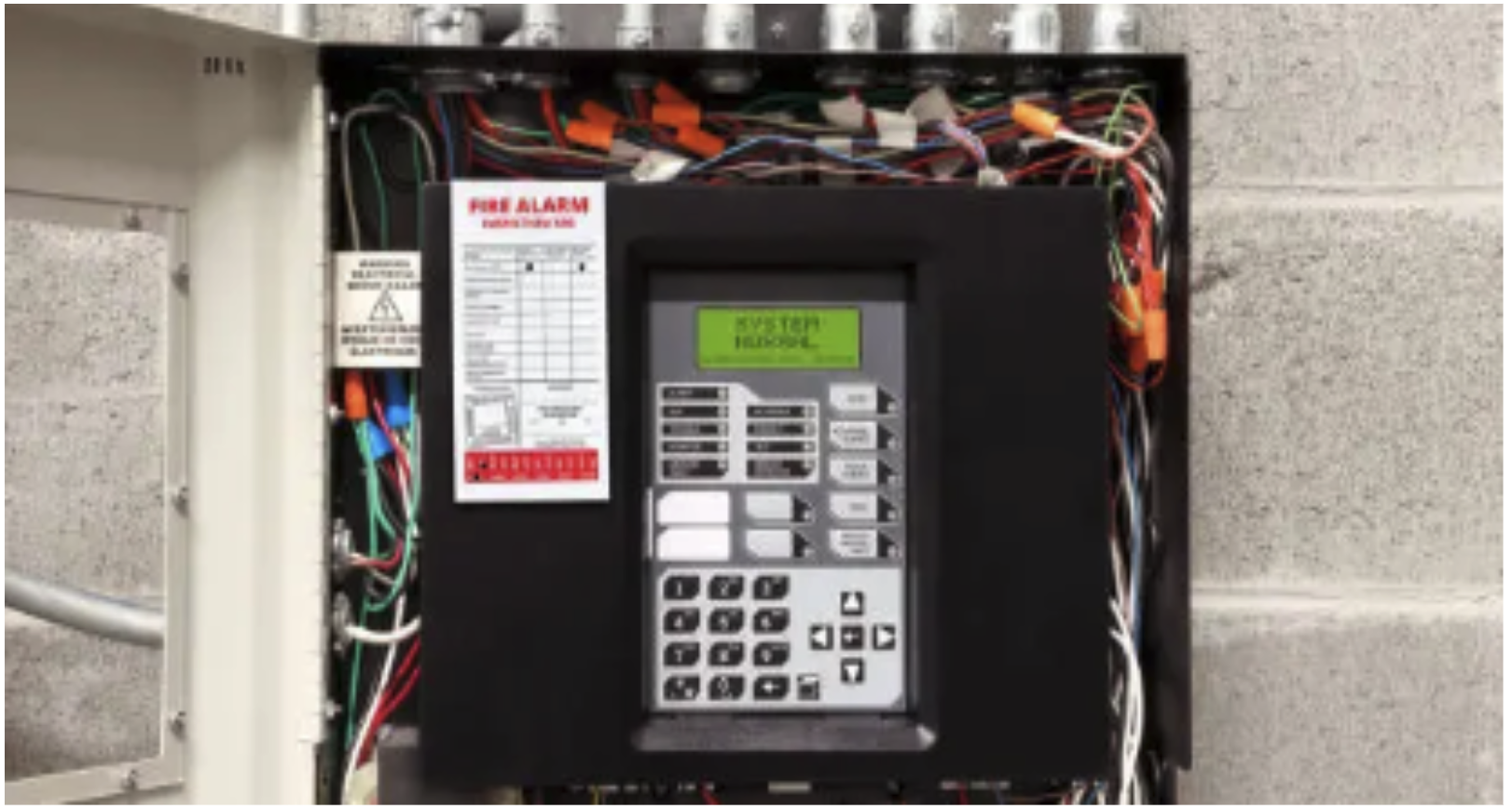
In commercial fire alarm systems, the choice of cable carries more weight than many people expect. Devices and panels can meet every spec on paper, yet the signal path still depends on the wiring that ties the system together. When a design calls for circuit survivability, CI fire cable becomes a key part of the conversation because it focuses on maintaining circuit function under extreme heat exposure, not just slowing the spread of flames.
This is an outline of the factors that typically influence CI cable selection in commercial environments. The focus stays on performance characteristics, construction differences, and compatibility considerations that often influence how teams narrow down options for commercial fire alarm systems.
Why CI Fire Cable Matters in Commercial Fire Alarm Systems
Circuit integrity sits at the center of many life-safety discussions because it ties directly to continuity. A fire alarm pathway does not just need to resist ignition. In some designs, it also needs to keep carrying a signal for a defined period during a fire event. That distinction explains why confusion exists between cables that emphasize flame retardance and those that support survivability goals.
Cable selection also intersects with high-level regulatory expectations. Teams often reference NFPA guidance and UL performance testing when they document system intent and cable suitability. The point here is not to interpret code, but to recognize the practical reality that decision-makers frequently need cables that align with both design goals and documented performance benchmarks.
Understanding Circuit Integrity Fire Cable
Circuit integrity describes a cable’s ability to keep a circuit operating during severe thermal exposure for a stated duration under a defined test method. In everyday terms, CI cable focuses on maintaining functional continuity. That focus differs from “flame-retardant” language, which typically describes how a cable behaves in terms of flame spread and smoke generation, rather than whether the circuit still functions.
A CI construction typically uses insulation and jacketing materials engineered for heat endurance and signal continuity. Manufacturers may also incorporate barriers, wraps, or specialized layer designs that help the conductors remain electrically viable longer under exposure conditions. This does not make the CI cable “better” in every scenario. It is purpose-built for systems that require survivability as part of their overall performance requirement.
Code and Performance Considerations Without the Code Debates
Commercial projects rarely treat fire alarm cabling as a purely technical preference. System designers, engineers, and reviewers often evaluate cable selection through a performance lens that includes referenced standards. UL testing and NFPA frameworks are frequently referenced in documentation because stakeholders require traceable evidence that components are suitable for their intended application.
In practice, that means CI cable selection often starts with questions like these:
- Does the system design call for circuit survivability, and for how long?
- Does the cable documentation align with a recognized survivability test method?
- Do the other cable attributes, like rating type and construction, align with the pathway environment and system architecture?
Those questions keep the process grounded in system intent rather than in habit or convenience.
Conductor Gauge Considerations for CI Fire Cable
Conductor size affects performance characteristics that matter in life-safety signaling and power delivery. Gauge selection also interacts with voltage drop considerations and the needs of connected devices, especially when circuits support notification appliances, control modules, or other loads that draw consistent current.
When 12 AWG Shows Up in Specs
Project documents sometimes specify 12 AWG fire systems cable when the design requires higher current demands, longer pathways, or specific device requirements. Larger conductors can support certain performance goals related to resistance and power delivery. That does not automatically make 12 AWG the “right” option in every scenario, but it explains why it appears in some commercial specifications.
Where 14 Gauge Often Fits
Many commercial designs also rely on 14 gauge fire alarm wire as a common choice tied to system architecture and device load profiles. This gauge can balance handling characteristics and electrical properties in a manner that suits many commercial applications. The key point is alignment: the gauge should match the system’s documented requirements, not a default habit.
Shielding and Rating Considerations
Signal integrity can become a central concern in buildings with dense electrical infrastructure, high device counts, and multiple systems sharing pathways. Shielding and cable rating types both play a role in how teams address those realities.
Why Shielding Comes Up
Some fire alarm circuits operate in environments where electromagnetic interference can affect signal quality. When designs call for additional signal protection, shielded constructions can help reduce susceptibility to noise.
A common search term in this space is 18/2 shielded plenum, which reflects two conductors, shielding, and a plenum-rated profile. The phrase matters because it ties shielding needs to pathway rating expectations.
Plenum-Rated Fire Alarm Cable in Commercial Buildings
Plenum considerations arise when pathways pass through spaces used for air handling. In those contexts, plenum-rated fire alarm cables typically emphasize low-smoke and flame performance characteristics. Teams often reference FPLP wire and cable because it represents a category associated with plenum-rated fire alarm applications.
It helps to keep the distinction clear: plenum ratings address fire and smoke behavior in specific spaces, while CI cable addresses circuit survivability under severe exposure conditions. Some projects evaluate both requirements together because the pathway and the survivability intent can overlap.
Armored Fire Alarm Cable Options
Some environments require additional mechanical protection. In commercial work, cable pathways can face physical stress from crowded routes, equipment proximity, or conditions that increase the likelihood of impact or abrasion.
That is where armored fire alarm shielded cabling enters the discussion. Armored constructions can add physical robustness, and when combined with shielding, they can support both protection and signal stability goals. The tradeoff often involves weight, handling characteristics, and pathway constraints, which is why teams usually treat armored options as an application-driven choice rather than a blanket standard.
MC Fire Cable and System Compatibility
Many professionals also evaluate CI solutions through the lens of MC-style constructions. mc fire cable typically refers to a metal-clad format that can support certain pathway and protection expectations within a project’s design approach.
Compatibility matters here, especially at transition points and terminations. Stakeholders frequently examine the hardware and component fit, including connectors for MC cable, because the system requires consistent mechanical and electrical performance throughout the entire pathway. This is less about “how to terminate” and more about recognizing that CI cable selection does not happen in isolation. It has to align with the rest of the pathway components and the system’s documentation approach.
Environmental and Application-Specific Factors
Commercial buildings present a wide range of conditions that influence cable selection:
- Temperature exposure profiles tied to building type and system location
- Mechanical stress from pathway congestion and equipment adjacency
- Moisture or chemical exposure in certain utility and service environments
- The presence of high-density electrical systems can elevate interference risk
CI fire cable selection often reflects these realities through construction choices, such as insulation systems, jacket materials, shielding presence, and armor options. When teams match cable characteristics to the environment and system design, they reduce the risk of performance surprises later in the project lifecycle.
Comparing CI Fire Cable Options in a Practical Way
When stakeholders compare CI cable options, the most effective approach typically resembles a structured checklist rather than a brand-driven debate.
Conductor size: Larger conductors can support certain electrical goals, while smaller conductors may be better suited for specific device circuits. Specs and system architecture should drive the decision.
Shielded vs. unshielded: Shielding can support signal stability in electrically noisy environments. Unshielded options may be suitable for other pathways where the interference risk remains lower.
Plenum-rated vs. non-plenum: Rating type should align with the pathway environment expectations. Plenum requirements can exist independently of CI survivability needs; however, many projects evaluate them simultaneously.
Armored vs. non-armored: Armor adds mechanical protection in demanding routes. The pathway environment usually determines whether that added layer provides meaningful value.
This comparison mindset supports decision-making without turning into a product recommendation. It keeps the focus on how cable attributes support the intended system outcome.
Selecting CI Fire Cable With Confidence
Selecting the right CI fire cable comes down to aligning the cable’s documented performance with the system’s intended survivability goals, then matching construction details to the realities of the pathway. Gauge considerations, shielding needs, rating type, and armor options all influence how well a cable fits a given commercial design.
For additional context on why fire-rated and low-voltage cabling matters in safety-focused design, this blog and the Fire Resource Center offers helpful information that frames the broader role of these pathways. When project stakeholders want to discuss application requirements or cable availability, use our contact link to get a hold of the team.
For broader background on fire-rated cabling topics, provides additional context that pairs well with what follows.
