Gas Station Cables for EMV Upgrades: What Installers Need to Know in 2026
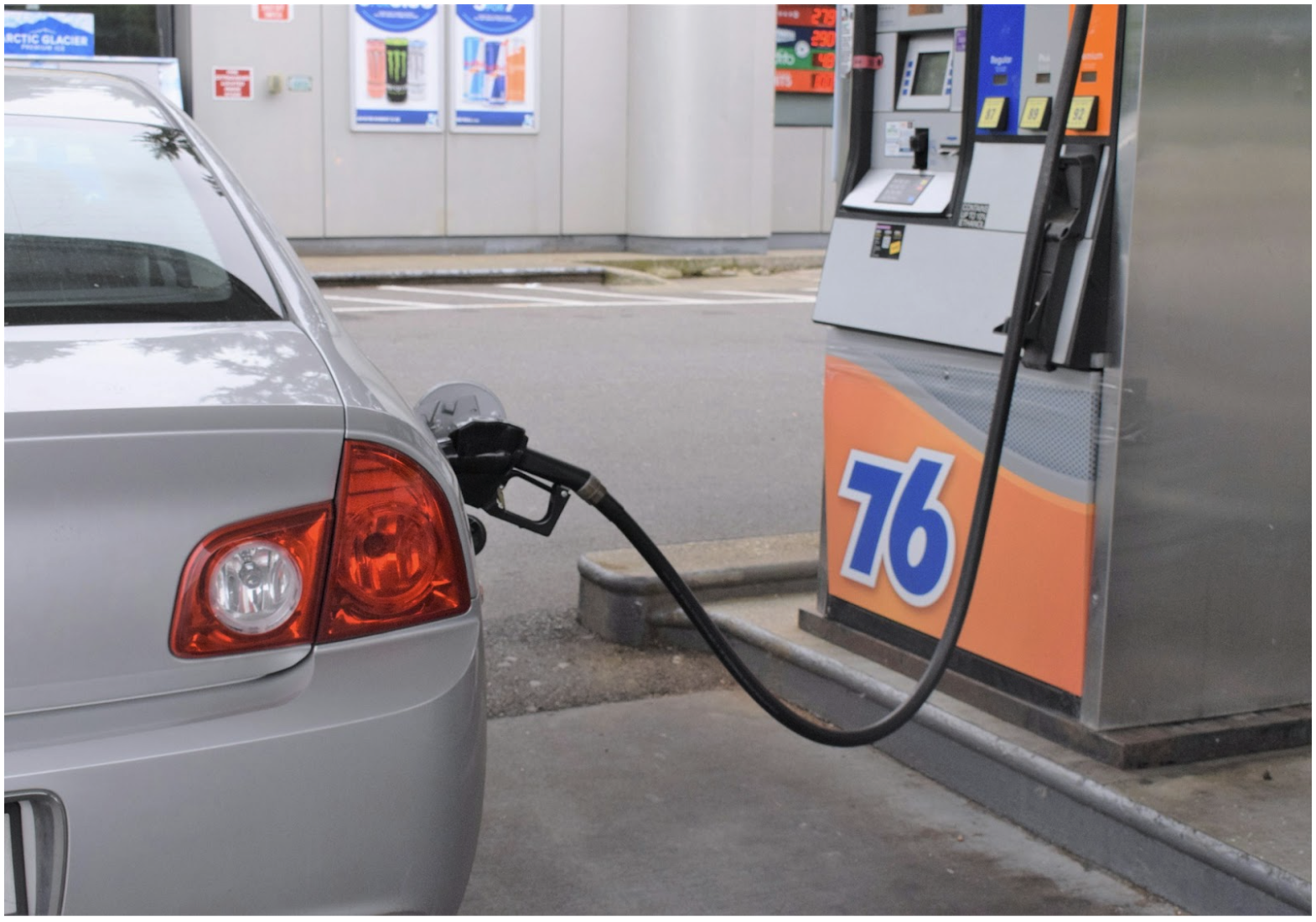
As EMV payment technology matures, the typical fuel station looks more like a secure network node than a simple refueling point. Card readers, media displays, controller boards, and monitoring systems depend on wiring that supports power, data, and long-term reliability in a harsh petroleum environment.
From a cabling perspective, EMV gas station innovations do more than add card readers. They concentrate more electronics inside dispenser cabinets, increase data traffic between the forecourt and the back office, and tighten expectations around uptime. Search terms like gas station cables for EMV upgrades and EMV gas station innovations now appear on specification lists beside requests for EMV upgrade cable for gas stations and gas & oil resistant cables. That mix raises the bar for cable performance and pushes many projects toward petroleum-grade designs that maintain stable electrical properties over time.
Why EMV Upgrades Change Cable Performance Requirements
CRIND systems, or card readers in dispensers, sit at the heart of most EMV upgrade plans. These units handle card authentication, local user interface tasks, and communication with payment processors. Each step depends on clean power delivery and stable data paths. When voltage drops, noise levels or cable faults start to climb, the result can be slow authorizations, aborted transactions, or intermittent out-of-service messages at the pump.
As more devices join the dispenser, CRIND system wiring in gas pumps becomes denser and more complex. Legacy conductors that once carried simple on and off signals now support encrypted communication and continuous status reporting. The EMV upgrade cable for gas stations, therefore, must provide both adequate current capacity and consistent signal performance. Specifiers consider the conductor gauge, shielding, insulation system, and jacket chemistry as a coordinated whole rather than as separate line items.
Those requirements also connect directly to payment security in gas pump wiring systems. Encryption at the processor level cannot compensate for unstable physical links that drop packets or introduce intermittent faults. Stable, low-noise paths between the dispenser and the controller give the digital security stack a solid foundation to work from.
Core Cable Characteristics in Fuel Dispenser Environments
Fuel sites qualify as harsh locations for cable. Petroleum products, cleaning fluids, vapors, moisture, and temperature swings all interact with the materials around the pump. Over time, those stressors can attack both the jacket and the insulation if the cable design does not account for them.
A fuel-resistant wire starts with a jacket compound that resists swelling, cracking, and softening when exposed to gasoline, diesel, and ethanol blends. Gas and oil-resistant cables take that requirement further by combining compatible jackets with insulation systems that retain dielectric strength after long-term exposure. Good chemical compatibility supports cable durability and reliable dispenser operation.
Mechanical factors also matter. Cables in dispenser pedestals and raceways may experience vibration, pull forces during service, and tight bend conditions. Stranded constructions in smaller gauges help manage flexing, while armor or additional protective layers may support routes that face impact or crushing forces. When planners choose a product, they evaluate the complete environment around each run rather than focusing only on the nominal voltage or conductor count.
Voltage Rating, Gauge, and Power Delivery
Most EMV-related equipment in a dispenser relies on low-voltage electronics fed from higher-voltage distribution circuits. That mix drives interest in cabling that can handle both power and control functions in a single, coordinated system. For many projects, the discussion starts with 600V wire, 16 AWG power cable, and similar constructions that offer both adequate ampacity and predictable voltage drop over the required distance.
A 16 AWG conductor delivers more current with less resistance per foot than smaller gauges, which helps maintain voltage at the load side of longer forecourt runs. Smaller control conductors may still support serial communication, relay control, or sensing functions when loads stay low and distances are modest. The key lies in matching conductor size to the electrical demands of each circuit rather than selecting a single size for every role.
Composite or multi-component assemblies combine power and control elements inside one overall jacket. This approach reduces the number of pulls and simplifies routing inside tight spaces, but it also raises the importance of a robust insulation and jacket system. The cable must manage differences in potential between conductors, resist chemical attack, and retain flexibility after the initial EMV conversion work concludes.
Data Integrity and Shielding Around EMV Equipment
Payment hardware in a dispenser shares space with motors, contactors, lighting, and other potential noise sources. Without appropriate shielding and geometry, sensitive data lines can pick up interference, causing communication retries or intermittent faults.
Twisted pairs with controlled lay lengths help reject common-mode noise in balanced communication circuits. Shields, whether made of foil, braid, or a combination of both, add a layer of protection by directing unwanted energy to designated reference points. In some designs, individually shielded pairs are situated inside an overall shield, allowing high-priority data lines to benefit from both pair-level and global protection.
At the specification stage, it is helpful to map the data path from the CRIND board through the dispenser, out to the forecourt controller, and back into the site network. Each segment may cross different interference zones or share space with other types of power conductors. When shielding and pair structure match these conditions, planners support reliable operation without frequent retries at the protocol level.
Underground and Extended Forecourt Runs
Forecourt wiring is rarely confined to a single cabinet. Underground conduits and distribution paths connect multiple dispensers, tank monitoring systems, and auxiliary equipment back to a central hub. These paths introduce additional environmental and electrical challenges that influence cable selection.
In underground routes, moisture and soil chemistry join petroleum exposure as key stressors. A petroleum-compatible jacket helps protect the interior, but the overall design must also consider water absorption and resistance to abrasion from pull forces and conduit edges. When cables share space with power feeders or motor circuits, designers often specify shielded pairs and careful separation inside the assembly.
Longer runs also magnify the importance of conductor size and voltage rating. A 600V rating gives additional headroom for systems that operate at lower nominal voltages but must tolerate transient conditions. Selecting appropriate gauge sizes for both power and control circuits supports stable operation across the longest paths in the system.
Building a Petroleum Rated Cable Strategy
Because EMV projects impact many aspects of a fuel site, petroleum-grade wiring should be treated as a strategic asset. A consistent approach to fuel-resistant wire selection reduces variation across projects, allowing maintenance teams to stock fewer, more versatile products.
In practice, that strategy might involve a set of gas and oil-resistant cables that cover power, control, and data needs in various gauge ranges. Composite or multi component designs can include twisted shielded pairs for communication alongside larger conductors for power distribution.
Clear documentation supports that strategy. Spec sheets that describe chemical compatibility, flame performance, temperature ratings, and electrical parameters provide engineers and contractors with a common reference point. When issues arise in the field, teams can compare actual conditions with documented limits and make informed decisions about next steps.
Planning for 2026 Through Specification
EMV gas station innovations will continue to influence dispenser designs, payment workflows, and remote management capabilities. Cable will remain one of the quiet enablers of that evolution. When planners consider voltage levels, data paths, chemical exposure, and mechanical stress upfront, they create a stronger foundation for later equipment updates.
From a specification standpoint, the most effective approach begins with the environment and the system requirements, not with a generic product description. Identifying where petroleum exposure occurs, where data paths must coexist with noise sources, and where long runs create voltage drop concerns gives structure to the cable selection task. Once that structure exists, it becomes easier to match available petroleum-rated products to actual project needs.
For teams that want a deeper look at petroleum-compatible options, the Petroleum Resource Center offers an entry point to category details and application guidance. For project-specific discussions or spec sheet support, we recommend our contact page for direct access to representatives who focus on petroleum-grade cable solutions.
