Comparing Burial OSDP and Shielded OSDP Composite Cables for Access Control
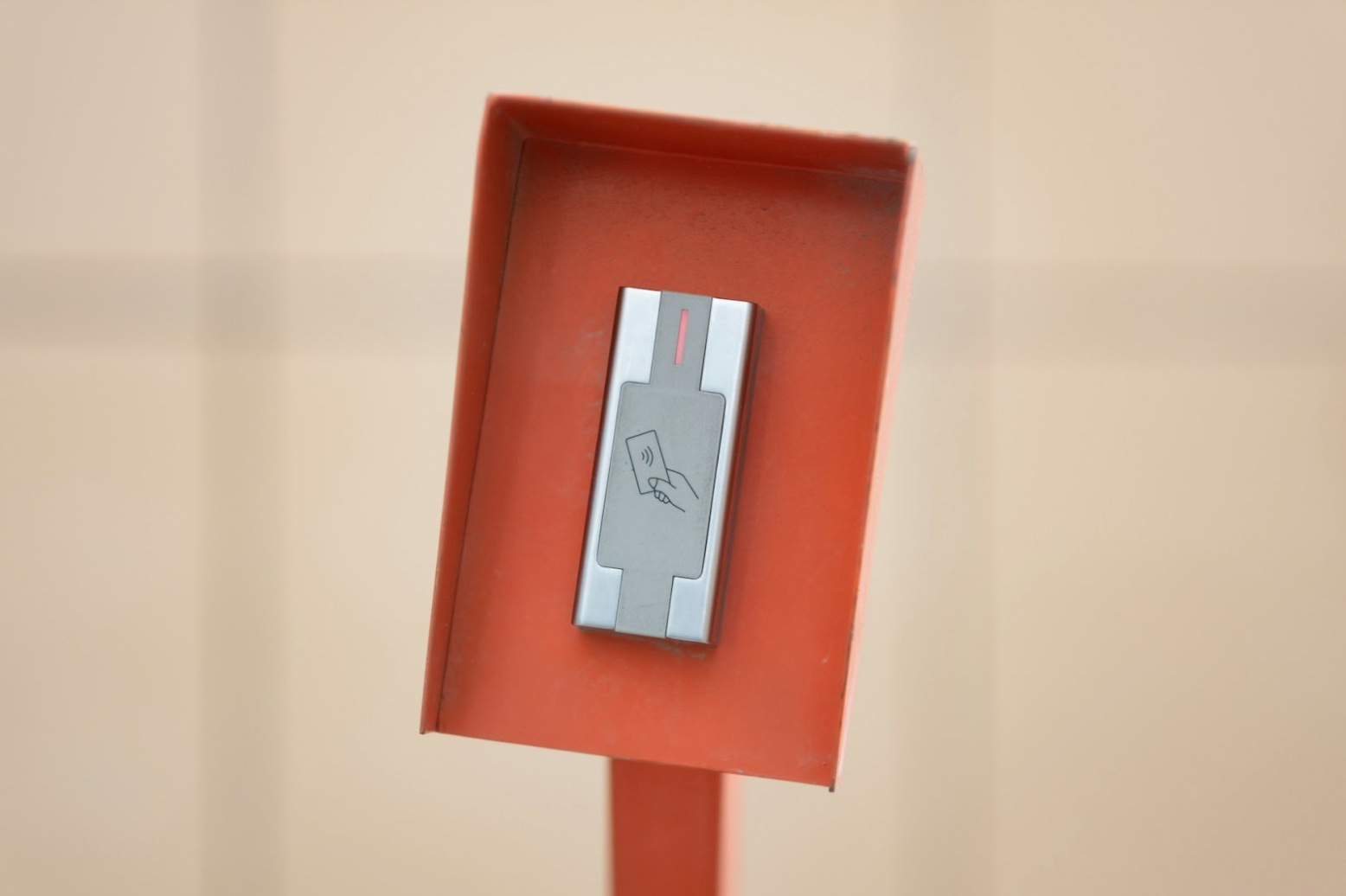
When discussing modern access control with project stakeholders, the conversation quickly shifts from reader selection to the wiring that carries every credential, heartbeat message, and supervision signal. OSDP, short for Open Supervised Device Protocol, has become the standard for secure, bi-directional communication between controllers and field devices. In practice, the protocol’s advantages only become apparent when the cable matches the environment and the site's noise profile. That is why it’s common to compare burial OSDP builds with a shielded OSDP composite cable designed for electrically busy interiors.
Both options are part of a broader category that many specifiers refer to as access control composite cable. In composite form, data pairs ride alongside power and sometimes control conductors inside a single jacket, which simplifies design and reduces pathway crowding. The question is not which one is universally better, but which one aligns with the installation environment, electromagnetic conditions, and compliance requirements of a given project. The sections below outline how OSDP operates over RS-485, what distinguishes shielded composite designs from burial-rated constructions, and how to evaluate tradeoffs with a practical, specification-first approach.
Understanding OSDP and Its Cabling Requirements
OSDP operates on RS-485, a differential signaling method that accommodates distances typical of perimeter devices and long reader runs. That base layer delivers two important qualities for OSDP readers and controllers. First, differential signaling offers greater resistance to common-mode noise compared to single-ended methods. Second, multi-drop capabilities enable multiple devices to share a bus when the design requires it. Even with these advantages, RS-485 links still benefit from carefully chosen cabling, as impedance stability, shielding, and conductor quality all impact signal integrity.
In this context, the phrase RS485 wire and cable means more than just a twisted pair. A well-matched cable supports the characteristic impedance target, protects the conductors from moisture or chemicals where relevant, and limits electromagnetic interference from lighting circuits, motor loads, and radio sources. Composite designs go a step further. An access control composite cable can combine a twisted shielded data pair with dedicated power conductors sized for reader consumption and lock interface duties. That consolidation reduces pathway complexity and cuts the number of reels on a job, while maintaining consistent electrical performance across similar device runs.
What Are Shielded OSDP Composite Cables?
A shielded OSDP composite cable places a foil or braid over the twisted data pair, and often over the entire construction, to block radiated noise. In many commercial buildings, large LED drivers, VFD-equipped HVAC systems, and dense PoE switching all contribute to the ambient electromagnetic floor. The shield forms a barrier that reduces coupled interference, helping the RS-485 layer maintain clean edges and stable timing.
Composite construction adds practical benefits. With multi-conductor composite technology, a single jacket can carry the data pair plus conductors for power and auxiliary control. That architecture helps designers keep routing tidy between panel locations and door hardware. It also brings consistency across multiple openings, since each drop uses the same geometry, dielectric, and twist specification. When someone inquires about premium options, they are often described as high-grade composite cables that strike a balance between flexibility and crush resistance, while maintaining stable electrical characteristics across temperature swings. The result is predictable performance for credential transactions and secure channel handshakes in spaces where electrical noise would otherwise compromise a link.
What Are Burial OSDP Cables?
A burial OSDP construction targets pathways that require a long service life underground or inside a conduit that may be exposed to moisture. The jacket and fillers typically resist water, abrasion, and incidental chemical contact. Some designs use water-blocking elements to limit longitudinal ingress. Others favor thicker jackets with enhanced mechanical properties. These material choices protect the twisted pair from impedance drift caused by moisture and shield corrosion.
Where do these cables appear most often? It’s common to see them between remote gates and the main control room, across parking areas to connect pedestal readers, and in campus layouts where buildings must share a common credentialing backbone. In these runs, the risk profile skews away from electromagnetic interference and toward environmental hazards. The right burial-rated construction adds stability to the RS-485 layer by keeping the physical geometry dry and intact over time.
Comparing Shielded vs. Burial OSDP Cables
Specifiers often request a straightforward head-to-head decision rule without a chart. In straightforward terms, shielded composite designs excel in electrically noisy interiors, while burial-rated constructions are best suited for environments where moisture, soil contact, or frequent temperature cycling pose a risk.
Start with the dominant threat. If ambient noise from switchgear, elevator motors, LED drivers, or dense networking is the primary concern, a shielded OSDP composite cable offers the most immediate benefit. The shield’s coverage interrupts electric-field coupling, while the twisted geometry and stable dielectric help the RS-485 signals maintain symmetry. The composite format also streamlines device drops by packaging power and data together under one jacket.
If environmental hazards are a concern, especially where pathways run underground or through areas prone to water exposure, a burial OSDP cable provides long-term protection. Jackets resist abrasion and moisture. Some building materials incorporate water-blocking compounds that prevent wicking. That protection guards the twisted pair against changes that can raise attenuation or shift impedance. The payoff appears months and years later, when supervision and data frames continue to operate without intermittent faults caused by moisture ingress.
Distance and topology also matter. For longer runs near high-noise equipment, consider combining shielding and composite design to ensure the bus remains quiet across its entire length. For long exterior pathways, specify burial-rated properties to preserve the cable’s electrical profile despite environmental stress. In mixed scenarios, specifiers sometimes segment the route, using shielded composite for the interior stretch and burial-rated construction for the outside segment, each matched to its risk environment while preserving consistent RS-485 characteristics.
Environmental and Compliance Considerations
Access control spans multiple building zones, so compliance discussions often include considerations such as plenum cable vs. non-plenum access control cable, as well as burial and general-purpose ratings. Plenum-rated jackets meet stricter flame and smoke requirements for air-handling spaces. Non-plenum constructions support general risers and other typical pathways. Burial-rated constructions add mechanical and moisture defenses for exterior segments. Selecting among these categories depends on the routing environment defined in the drawings and by the authority having jurisdiction. The goal stays the same across all variants. The cable’s rating should align with the space classification, ensuring that both life safety and system reliability meet expectations.
Standards do not stop at jackets. RS-485 performance benefits from consistent impedance and twisting across the length, and data integrity benefits from appropriate shielding where the noise profile requires it. When a specification references a 2-conductor shielded cable for the data layer, treat that as an electrical performance requirement, not a suggestion. It speaks to the protocol’s differential nature and the need for symmetry. The composite decisions then add power conductors sized for the device loads while maintaining overall flexibility and pull characteristics compatible with the route.
How Multi-Conductor Composite Technology Simplifies Access Control Design
Composite architecture concentrates the cabling decision into a single part number per device type. With multi-conductor composite technology, the same jacket delivers both the twisted shielded pair for OSDP traffic and power conductors for readers, strikes, or request-to-exit inputs, depending on the design. That consolidation reduces the risk of mismatched conductor lengths or inadvertent grouping of dissimilar cables that can introduce crosstalk. It also aids project logistics. Fewer reels and fewer SKUs simplify takeoffs and make change management easier when owner-directed modifications result in shifts in device counts.
From a performance angle, composite designs help keep the RS-485 pair isolated and well-behaved. The factory-controlled spacing, twist, and dielectric maintain a stable impedance target across the entire run. Shield coverage reduces susceptibility to radiated noise in compact, equipment-dense rooms. In short, composite builds support repeatable outcomes. Repeatability is a valuable virtue on multi-building campuses, arenas, hospitals, and enterprise facilities, where consistency reduces troubleshooting time.
Choosing the Right Cable for Your Access Control System
The decision narrows when you frame it in terms of environment, noise, and compliance. Ask three questions. What dominates the risk profile along the route: electromagnetic interference, moisture, or mechanical stress? What rating does the pathway require based on the space classification? What power and data conductors should be included in the same jacket to streamline the drop without compromising electrical performance?
If interference is the primary concern, opt for a shielded OSDP composite cable featuring a robust foil or braid over the data pair. If environmental exposure defines the run, specify a burial OSDP construction that keeps the geometry dry and intact. When the layout mixes conditions, apply both principles segment by segment. In all cases, keep the RS-485 fundamentals in view. Twisted symmetry, appropriate shielding, and consistent impedance help the protocol deliver reliable supervised communication between panels and field devices.
Specifiers who want a single reference for low-voltage security families can review guides and product groupings in the Security and Access Control Resource Center. Project teams looking to validate a particular construction against a unique set of environmental and compliance constraints can reach out through the contact page to start a technical conversation grounded in the site’s actual conditions.

Windy City Wire
Windy City Wire
Windy City Wire