Why NYC Shielded FPLR Cable is Essential for Fire Life Safety Systems
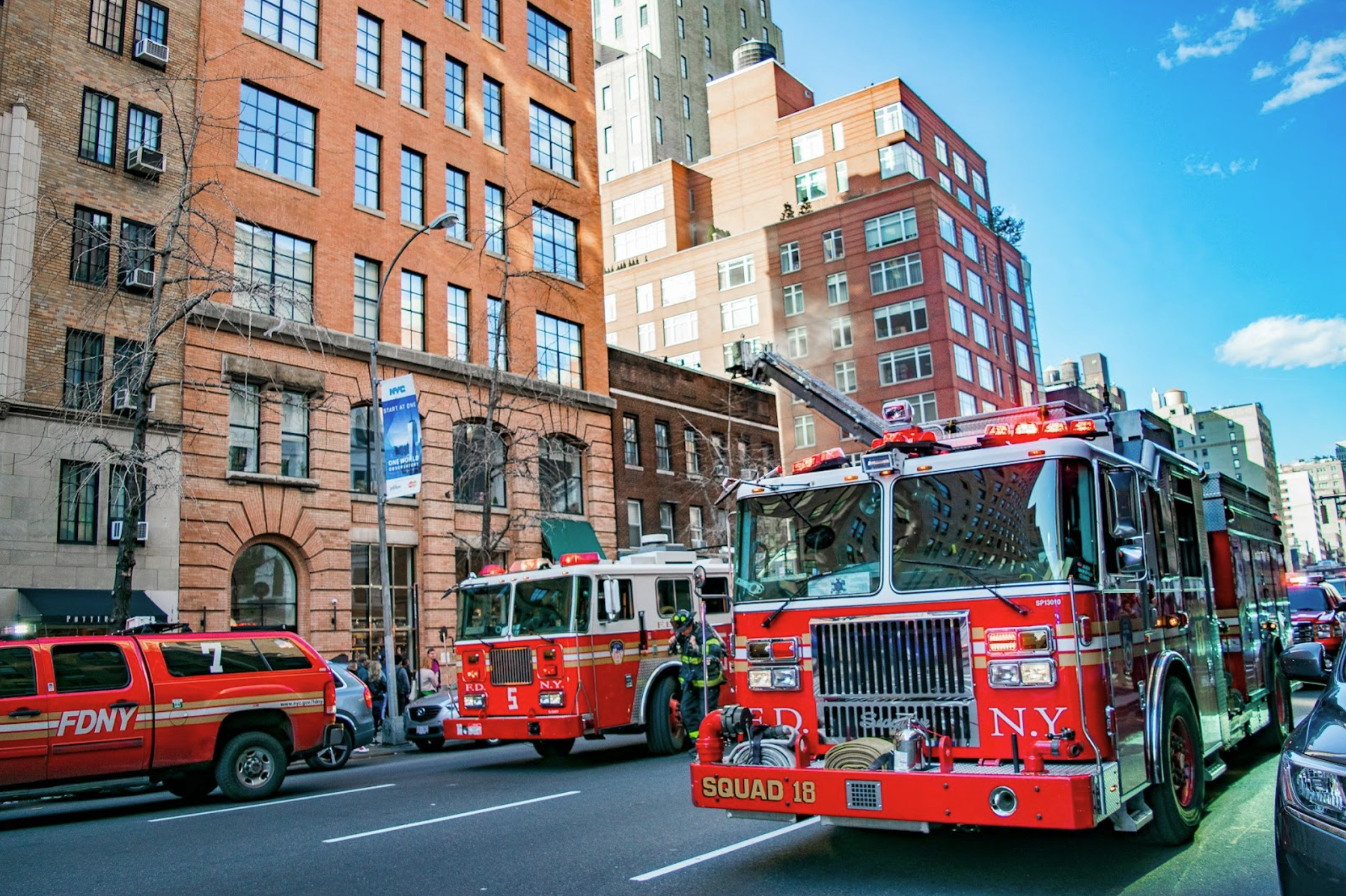
Some projects exist where the details matter just as much as the design when using fire life safety wire and cable. Nowhere is that truer than in New York City. Between high-rise buildings, complex mixed-use spaces, and some of the most stringent inspection standards in the country, NYC demands cables that deliver performance, reliability, and documentation. That’s where nyc shielded FPLR cable stands out.
It’s not just about passing code. It’s about building confidence in systems that protect lives. This article examines the significance of shielded FPLR cabling in commercial fire alarm systems, its distinctions from other fire-rated designs, and the importance of NYC approval in ensuring long-term safety and compliance.
Understanding FPLR and Fire-Rated Cable Classifications
What Does FPLR Mean?
FPLR stands for Fire Power-Limited Riser, a fire-rated cable category defined under UL 1666 and NFPA 70 / NEC Article 760. It is specifically tested for flame propagation in vertical risers and shafts. These are the spaces that allow cabling to travel between floors. FPLR construction focuses on limiting the spread of fire along these vertical routes while maintaining circuit integrity for signaling and communication during emergencies.
In many systems, FPLR is used as a non-plenum fire alarm cable alternative when plenum-rated FPLP isn’t required. Riser-rated cable provides fire resistance for vertical spaces, ensuring that communication pathways between floors stay functional long enough for evacuation and response.
FPLR vs. FPLP: What’s the Difference?
While both cable types play vital roles in fire protection networks, their applications differ based on air handling and fire test criteria.
- FPLR cables are tested to UL 1666, which measures flame spread in vertical shafts.
- FPLP cables are tested to UL 910, assessing flame and smoke propagation in air-handling plenums.
Plenum cables must meet stricter smoke standards, while riser cables focus on preventing vertical fire movement. In NYC, the FPLR rating often applies to riser shafts, stairwells, and vertical chases unless a plenum environment requires FPLP. Both fall under the fire life safety wire and cable categories, regulated by NEC Article 760.
Why NYC Approval Matters for Fire Life Safety Systems
Local Code Compliance
New York City’s Building Code and FDNY regulations require that fire alarm materials meet specific performance and documentation criteria. Using NYC-approved cables eliminates guesswork by confirming that each product has undergone rigorous testing for flame spread, smoke emission, and mechanical strength.
This approval process also simplifies plan submittals and inspections, as cables listed in the city’s database meet both national and local requirements. For project teams or building engineers looking to confirm product eligibility, referencing the NYC-Approved Fire Cables page provides a direct path to compliant materials recognized by FDNY.
Safety and Reliability Standards
Reliability under fire conditions depends on both design and verification. An approved NYC shielded FPLR cable passes flame tests that confirm riser safety and electrical continuity. These tests demonstrate that the cable can withstand high heat and still transmit critical alarm and notification signals.
Code-compliant cables help keep projects inspection-ready, while also contributing to the operational reliability of life safety systems long after installation.
The Importance of Shielding in Fire Alarm Cables
How Shielding Improves System Integrity
Shielding is the unsung hero of modern fire alarm infrastructure. A shielded fire alarm cable contains an aluminum or copper layer wrapped around conductors, blocking electromagnetic interference (EMI). In high-density buildings, such as those found across New York City, EMI is common due to the presence of HVAC motors, elevator drives, lighting systems, and data cabling that run in proximity.
Shielding stabilizes signal performance by rejecting unwanted noise. It helps reduce false alarms, signal distortion, and communication delays, all of which can disrupt emergency response. For sensitive control circuits, such as addressable loops or detection pathways, shielding provides consistent performance even when electrical noise is high.
Shielded vs. Unshielded Fire Alarm Cable
Unshielded cabling may work in controlled environments, but in most commercial fire alarm systems, electrical interference is unavoidable. Shielded designs improve system integrity by:
- Maintaining clear signal transmission under heavy EMI conditions
- Reducing the potential for false activation or missed communication
- Supporting compliance in high-interference environments like hospitals or high-rise cores
These benefits make shielded constructions a common requirement in NYC specifications. Selecting the correct shielding configuration significantly contributes to long-term performance and code compliance.
Conductor Quality and System Performance
The Role of Solid Copper Conductors
Conductors carry the lifeblood of a fire alarm system: electrical current and critical signals. A solid copper conductor fire systems cable offers the durability, low resistance, and mechanical strength needed for continuous operation under demanding conditions.
Copper’s conductivity supports consistent voltage across long distances, which is crucial in multi-story or large commercial facilities. Using pure copper conductors also helps minimize voltage drop and supports stable current flow even when the system experiences elevated temperatures.
In New York City projects, common specifications include 14 AWG fire systems wire and 16 AWG fire alarm wire, both selected based on circuit length, load, and voltage drop requirements. Larger gauge wires, such as 14 AWG, typically serve as notification circuits, while smaller conductors, like 16 AWG, handle control or initiating device loops.
The combination of correct conductor size and shielding forms the foundation of system stability.
Selecting the Right Cable for NYC Life Safety Systems
Every project in New York City must strike a balance between performance, code compliance, and inspection readiness. Here are a few key factors we look at when evaluating cable for riser and fire alarm applications:
Cable Rating
Identify whether the pathway qualifies as a riser or plenum. In risers, FPLR applies; in plenums, FPLP is required. Using a non-plenum fire alarm cable in the wrong space can result in rework and inspection delays.
Shielding Requirements
If the project includes dense electrical environments or long runs alongside high-voltage systems, a shielded fire alarm cable should be specified to reduce interference.
Conductor Size
Review system drawings to confirm proper AWG selection. A 14 AWG fire systems wire supports higher current loads, while 16 AWG fire alarm wire may be optimal for shorter or lighter circuits.
Verification and Listing
Confirm that the cable is both UL-listed and carries NYC approval. Verified listings simplify inspections and satisfy AHJ documentation requirements.
Professionals seeking additional technical information or reference materials can access detailed specifications through the Fire Resource Center. It provides a comprehensive overview of life safety cabling standards and guides that help designers and contractors stay aligned with code expectations.
Practical Use in NYC Commercial Fire Alarm Systems
In many commercial fire alarm systems, vertical risers connect control panels, annunciators, and notification appliances across multiple floors. FPLR cabling meets the fire safety expectations for these vertical routes, limiting flame travel while maintaining communication reliability.
New York City’s mixed-use structures often feature complex layouts, including multiple riser shafts serving different occupancies. Selecting NYC shielded FPLR simplifies coordination between trades because it combines the required riser rating with the EMI protection needed in high-density wiring environments.
As our team reviews specifications for these systems, we focus on cabling that balances compliance with predictable performance. That’s how system reliability and inspection readiness align. Careful material selection must satisfy both UL and NYC requirements.
Safety Through Compliance and Performance
Fire life safety systems rely on consistent communication and power delivery, even under the most extreme conditions. NYC shielded FPLR cable plays a vital role in that mission, providing the right riser rating, conductor quality, and shielding for dependable signal transmission.
By meeting FDNY and UL standards, these cables contribute directly to building safety and code compliance. From solid copper conductor fire systems cable to shielded fire alarm cable configurations, every component supports one objective. That is to provide reliable protection when lives are at stake.
For more details on NYC-approved riser-rated products, visit our NYC-Approved Fire Cables page. For design insights and reference materials covering riser, plenum, and fire-rated options, explore the Fire Resource Center. To connect with our team about compliant life safety wire and cable solutions, reach out through our contact page.

Windy City Wire
Windy City Wire
Windy City Wire