Why EMV Migration Requires Specialized Petroleum-Rated Cables
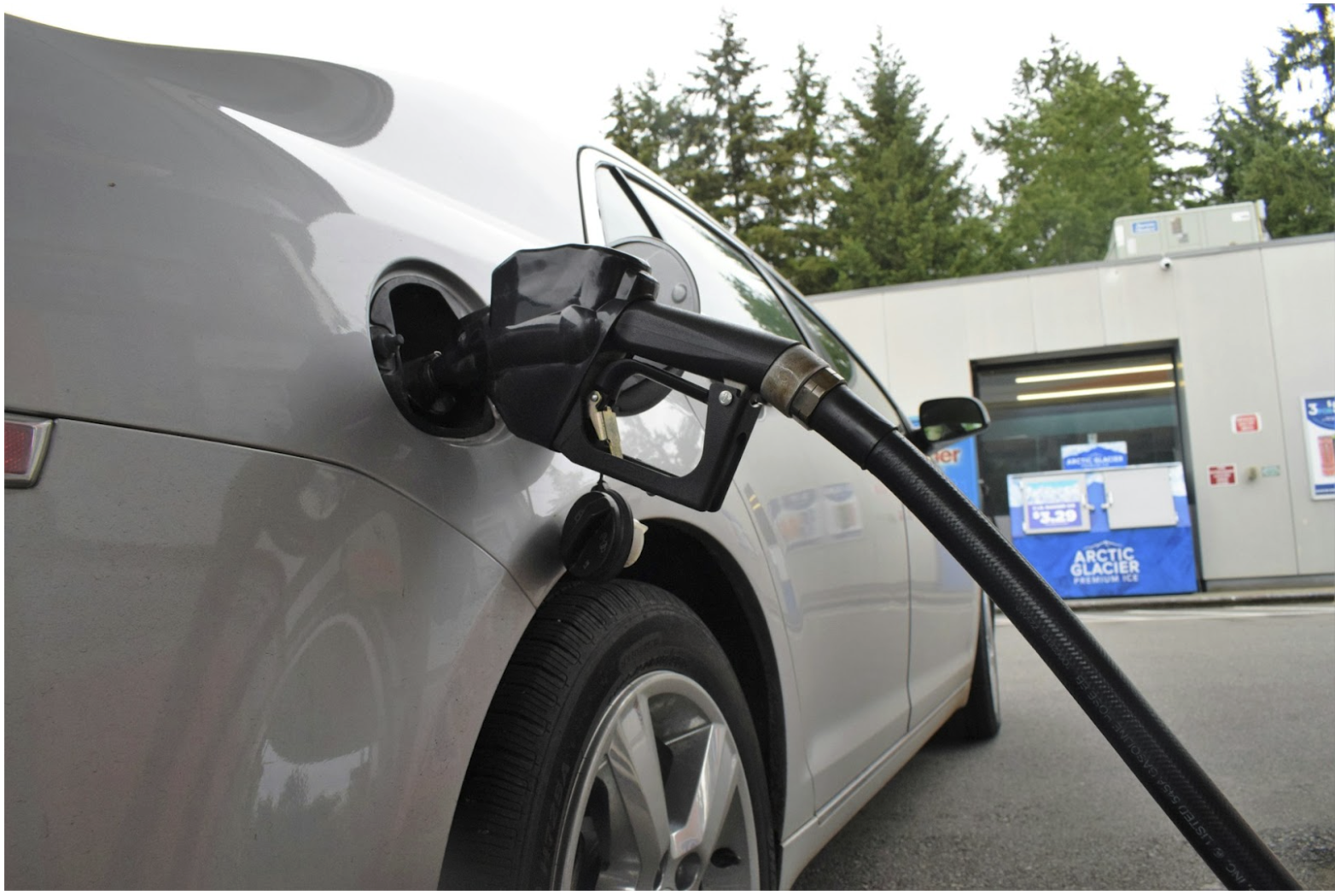
EMV migration changed the expectations placed on fueling infrastructure. A reader upgrade can look like a simple swap at the dispenser, yet the real shift happens in the communication chain behind the screen. Chip transactions introduce more handshakes, tighter timing, and stronger dependence on clean data paths between the dispenser, the CRIND, site controllers, and the point of sale. When that chain stumbles, the symptoms show up as slow authorizations, failed transactions, or intermittent faults.
The focus stays on cabling characteristics that support dependable system behavior. The goal is to clarify why petroleum environments demand specialized cable constructions as payment systems become more data-dependent.
Why EMV Migration Changes Cable Requirements at Fueling Sites
Fueling sites combine electronics, power, and payment security in environments that expose materials to fuels, vapors, vibration, and moisture. EMV migration increases the overall system's sensitivity to the physical layer. More transaction steps mean more opportunities for timing issues when signal quality degrades.
That reality explains why gas station cables for EMV upgrades often need petroleum-rated construction. The “industrial” label alone does not describe resistance to hydrocarbons or long-term stability in dispenser enclosures and related pathways. Petroleum-rated designs focus on keeping jacket integrity, protecting insulation, and maintaining electrical behavior so devices can exchange data consistently.
The Role of Cabling in EMV-Enabled Fuel Dispenser Systems
An EMV-enabled dispenser relies on multiple subsystems working together. The CRIND handles customer interaction and payment input. The dispenser controller manages fueling logic. The point of sale and site systems coordinate authorization, transaction logging, and reporting. Cabling links these pieces and carries both power and signaling, depending on the architecture.
Cabling performance influences more than continuity. It influences signal quality and noise margin, which affects how consistently devices exchange messages. It also influences downtime risk because a degraded cable can mimic controller instability. When a jacket swells, cracks, or softens, moisture and contaminants can reach the insulation, altering its electrical behavior. Those shifts can increase retries and communication errors, especially when systems rely on steady signaling at low voltages.
For a complementary overview of the dispenser-to-POS pathway and common upgrade questions, our blog about Gas Station Cables for EMV Upgrades provides additional context.
Environmental Conditions Unique to Gas Stations and Fueling Infrastructure
Fueling infrastructure creates exposure conditions that many commercial pathways do not combine in a single place. Project teams typically consider these stressors:
Petroleum contact and vapor exposure. Fuels, vapors, and residue can interact with jacket compounds over time, causing swelling, brittleness, or softening in materials not designed for it.
Chemical cleaning agents. Many sites use cleaners and degreasers that can attack certain plastics and rubbers.
Moisture and condensation. Dispenser enclosures can trap humidity and create condensation across temperature swings.
Mechanical abrasion and vibration. Service access, cabinet movement, and rubbing points in raceways can stress jackets and shields.
Temperature cycling. Daily and seasonal changes expand and contract materials, which stresses bends and transitions.
These conditions explain why oil- and gas-resistant power cables are specified in petroleum standards. Material resistance supports stability when exposure remains part of normal operations.
Petroleum-Rated Cable Characteristics That Support EMV Infrastructure
Petroleum-rated cables earn their value through construction choices in the jacket, insulation, shielding, and mechanical design.
What “oil and gas resistant” means in low-voltage contexts
Oil and fuel resistance describes how jacket and insulation materials react to contact with hydrocarbons, vapors, and related chemicals. A resistant material keeps mechanical strength and resists swelling and cracking. That stability matters because mechanical change can lead to electrical change. When geometry shifts or insulation degrades, capacitance and impedance can drift, leading to increased noise or attenuation.
Jacket materials and protective design
The jacket acts as the first barrier. Petroleum-oriented designs use compounds selected for fuel exposure so the jacket maintains integrity under routine contact. A stable jacket also helps the cable keep its shape and protects the dielectric from contamination.
Fluoropolymer insulation and chemical resistance
Many petroleum environments call out 18 AWG, FEP cables because FEP insulation offers strong chemical resistance and stable electrical properties. A specification might not require FEP for every circuit, but the material choice signals the design intent: resist chemical attack and preserve electrical behavior over time.
Electrical Standards and Expectations for CRIND Systems
EMV projects often bring a stronger emphasis on documentation and inspection readiness. Teams may reference electrical standards for CRIND systems in fuel dispensers as shorthand for expectations placed on these systems. Those expectations typically emphasize safety, predictable operation, and traceable component choices.
From a cabling standpoint, standards awareness influences material selection, marking requirements, and the preference for constructions with established performance intent. It helps to treat standards as a framework that supports conservative choices where exposure and risk remain high.
Conductor Size and Configuration in EMV-Related Applications
Petroleum-rated selection is not only about jackets. Conductor configuration and gauge matter because different circuits carry different loads and signaling needs.
2 conductor wire in fueling pathways
Many fueling and payment circuits use 2 conductor wire to carry a defined function such as a power pair or a control pair. A paired construction can support clear identification in complex assemblies and reduce ambiguity during maintenance.
18 AWG and common control circuits
Designers often specify 18 AWG for applications that require flexibility and durability, such as low-voltage control, power, or signaling circuits. When teams pair that gauge with fuel-resistant insulation, they usually make a risk-based decision based on the site's exposure profile.
Power-related pathways
Some circuits draw more current than pure data signaling. In those cases, teams evaluate oil & gas resistant power cables because the circuit combines electrical demand with fuel-adjacent exposure. The key point is that conductor choice and material choice work together in petroleum environments.
Underground Exposure and Fueling Infrastructure Cabling
Many sites include below-grade infrastructure for monitoring, sensors, and fuel management. EMV migration can intersect with those systems when project scopes include dispenser replacement, site controller updates, or integrated monitoring. In that broader picture, underground storage tank wire and cable can become part of the reliability discussion.
Below-grade pathways amplify risks: moisture exposure, chemical presence, soil contact, and limited accessibility once the site returns to service. A construction that resists petroleum contact and supports mechanical durability can reduce the likelihood that a hidden section becomes a recurring fault source.
Why Installation Guidelines Matter During Cable Selection
Specifications and manufacturers often reference installation guidelines for oil resistant cables. Those guidelines exist because every construction has mechanical limits. Bend behavior, pull stress, and termination compatibility can affect long-term integrity. This article does not provide jobsite steps, but the presence of guidelines still matters for selection.
A petroleum-rated cable often assumes the user will protect the jacket from damage and match accessories to the cable type. During evaluation, guidelines can signal the cable’s intended operating assumptions and the environments it targets.
Long-Term Reliability and Risk Mitigation for EMV Cabling
EMV systems rely on consistency. When a dispenser intermittently loses communication, troubleshooting can take time because teams must rule out readers, controllers, and software before suspecting a cable pathway. The cost of uncertainty can exceed the cost of the cable itself. Sites also take direct revenue impact when a lane goes down or customers abandon transactions.
Petroleum-rated cables help mitigate risk by resisting the slow degradation that fuels and chemicals can cause. They also support steadier electrical behavior, which can reduce retries and data errors that surface as transaction problems. For additional educational material on petroleum environments and cable characteristics, the Petroleum Resource Center can help extend research beyond this article.
Selecting the Right Cable for EMV-Ready Fueling Systems
EMV migration raises the reliability requirements at the dispenser. That shift pushes teams to view cabling as a system component rather than a commodity. Petroleum-rated constructions address real site conditions: fuel contact, vapor exposure, chemical cleaners, moisture, abrasion, vibration, and temperature cycling. They also support clearer documentation when stakeholders need to justify design choices.
A practical selection mindset ties together material resistance, conductor configuration, and standards awareness. For teams that want help navigating resources or clarifying terminology related to petroleum-rated cabling, our contact page provides a direct way to reach the team for general questions.v
