The Basics of Access Control Wire and Cabling
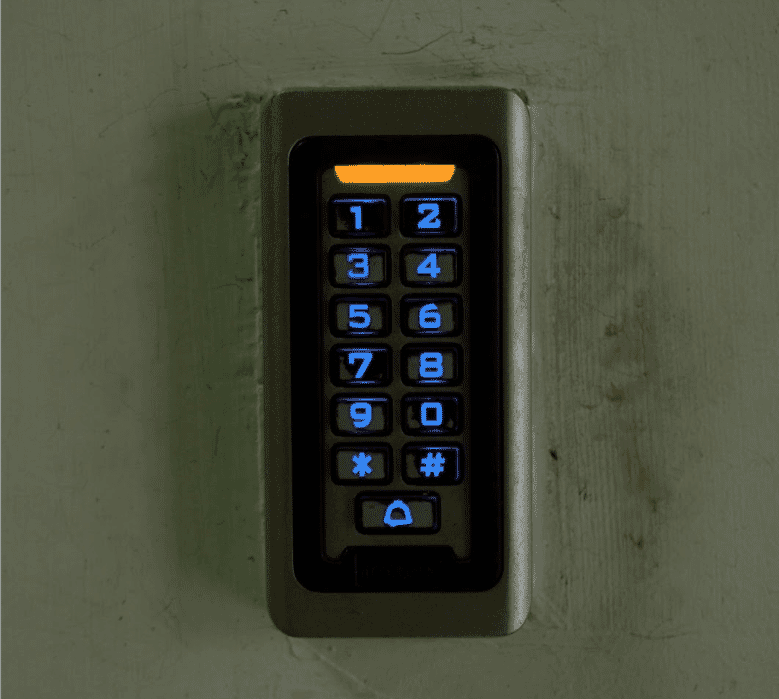
Professionals in the security and IT fields understand that the backbone of any solid access control system is the quality of its cabling. The right cabling ensures that all system components, from card readers to door locks and cameras, function optimally. Choosing the appropriate cables enhances performance and ensures longevity. This guide aims to help professionals make informed decisions about cabling needs by highlighting the benefits of high-quality cabling and the innovative solutions required for top-notch access control systems.
Understanding Access Control Wire and Cabling
Access control wires and cabling play a vital role in the functioning of security systems. These cables facilitate communication and power transmission between various access control components.
For instance, when an employee swipes their access card at a reader, the signal travels through the cable to the control panel, verifying the credentials and unlocking the door. This seamless process depends heavily on the quality and type of cabling used. Properly selected and installed cables allow signals to transmit accurately and promptly, reducing the risk of security breaches or system failures.
Types of Access Control Cables
Multi-Conductor Cable: Multi-conductor cables have several insulated conductors within a single jacket. They are ideal for access control systems as they simplify wiring by reducing the number of cables needed. They are commonly used for connecting door locks, card readers, and sensors to the control panel, maintaining efficient and organized installations.
Multi-Pair Cable: Similar to multi-conductor cables, multi-pair cable configurations combine various cables within a single sheath. This setup benefits complex access control systems that require different signals and power transmissions. Multi-cable solutions streamline the installation process and reduce clutter, making them a preferred choice for large-scale security projects.
Composite Cable: Composite cables integrate multiple types of conductors, such as power, data, and video, within one cable. This versatility makes them suitable for access control systems that need to transmit different types of signals. Composite cables offer the advantage of reducing the number of separate runs required, which can lower installation costs and complexity.
RS485 Wiring: In modern access control systems, RS485 wiring is essential for data transmission. It supports long-distance communication and multiple devices on a single network, making it ideal for large buildings or campuses. RS485 cables are known for their reliability and resistance to electromagnetic interference (EMI), providing clear and consistent signal transmission.
RS232 Wiring: Although less common in new installations, RS232 wiring is still used in legacy systems for serial communication between devices. It is suitable for short-distance data transmission and can be found in older access control setups. Understanding when to use RS232 wiring is essential for maintaining and upgrading existing systems.
Choosing the Right Cable for Your System
Selecting the appropriate cables for your access control system involves considering several key factors:
Environmental Conditions: Determine whether the installation is indoor or outdoor. Outdoor installations require cables that withstand extreme weather conditions, UV exposure, and temperature fluctuations. Harsh weather security cables and indoor-outdoor security wiring are designed to handle these challenges and maintain performance over time.
Distance and Signal Integrity: Assess the distances over which the signals need to be transmitted. Longer distances may require cables with higher signal integrity and resistance to interference, such as RS485 wiring, to provide reliable communication between devices.
Power Requirements: Consider the power needs of the access control components. Some systems may require cables that can carry data and power, such as composite cables, to simplify installation and ensure all devices function correctly.v
Quality and Compliance: SmartWire cables meet the highest industry standards. Substandard cables can lead to frequent maintenance issues, signal loss, and system failures. Your access control system's long-term dependability depends on compliance with industry standards and safety laws.
By carefully evaluating these factors, you can select the most appropriate cables for your access control system for reliability, efficiency, and longevity. The correct cables make it simple to construct a robust security infrastructure that will keep up with emerging technology.
Best Practices for Ensuring Quality Cabling
Quality cabling is essential for any access control system to function optimally. Proper planning and handling ensure that cables remain reliable and efficient. When selecting cabling routes, it is important to identify the optimal paths that minimize cable lengths and reduce exposure to interference sources like power lines or heavy machinery. This careful planning helps maintain signal integrity and can simplify future maintenance tasks. Organizing the cabling with trays, conduits, and ties aids in easy identification and troubleshooting while allowing for future expansion needs without extensive rework.
Handling techniques are equally important. Avoid excessive bending or kinking of cables, as this can damage the insulation and conductors. Proper handling and securing of cables during installation prevent physical damage, maintaining their performance and longevity. Marking and labeling each cable clearly can facilitate future maintenance and troubleshooting.
Finally, comprehensive testing and verification post-installation are necessary to ensure system integrity. Regular testing for continuity, signal strength, and potential interference using tools like cable testers and network analyzers ensures that the access control system operates as intended.
Leveraging High-Quality Cabling for Access Control Solutions
Selecting the right cables is essential for building efficient and dependable access control systems. Several types of cables are designed to meet the specific requirements of modern access control systems, including multi-conductor cables, multi-pair cables, composite cables, and specialized cables for RS485 and RS232 wiring. These cables are engineered to withstand harsh environmental conditions and provide reliable performance in both indoor and outdoor installations. For example, Category 6 outdoor cables offer enhanced longevity and high-speed data transmission, making them ideal for demanding security applications. Using the right cables ensures that access control systems operate efficiently, offering seamless communication and security across complex installations like large corporate environments and university campuses. Proper selection and cabling installation are critical steps in building a robust access control infrastructure that adapts to various needs and withstands different challenges.
