Selecting the Right Cable: From 16 AWG Wire to Fire-Resistant Oil & Gas Cables for Harsh Fuel Environments
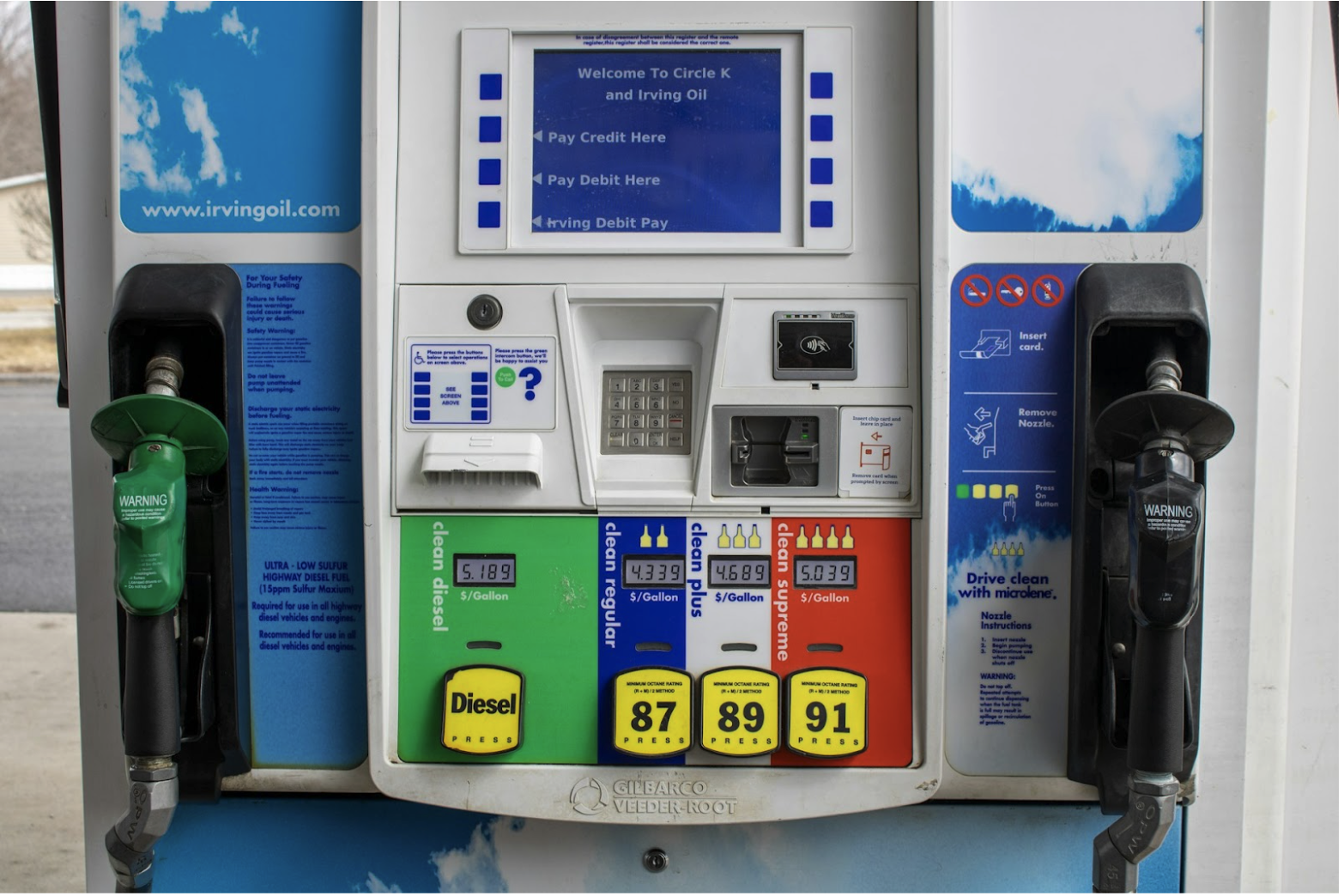
When discussing petroleum and fuel-station projects with engineers, the conversation often returns to one topic: which cable is truly suitable for a harsh fuel environment. Conductors, insulation, and jacketing all face exposure to fuel, oil, vapors, heat, and mechanical stress, and the wrong choice can shorten service life or compromise performance. In these applications, petroleum grade cabling forms part of the safety and reliability strategy, not just a line on a materials list.
This walkthrough covers cable options for fuel systems, ranging from a simple 16 AWG power cable feeding a control circuit to complex, fire-resistant oil & gas cables that support critical infrastructure. The focus is on specification choices, so project teams can use a clear framework when evaluating products for chemically aggressive locations.
The Increasing Demands of Modern Fueling Infrastructure
Modern fueling sites operate as data-rich, tightly monitored facilities. Digital monitoring, point-of-sale integration, tank gauging, and remote diagnostics all depend on reliable control and communication cabling. This is especially true when projects incorporate EMV gas station innovations that link dispensers, payment terminals, and back-office systems in real-time. Those circuits often pass through locations that experience exposure to gasoline, diesel, ethanol blends, and their vapors. That reality means cable selection cannot stop at basic voltage and temperature ratings.
Cable Requirements in Petroleum and Fuel-Rich Environments
When reviewing a design for a fuel-related site, it starts by mapping the environments that each cable will experience. Some runs pass near pumps or piping and may see intermittent contact with liquid fuel. Others route near contained spaces that hold vapor or moisture, or share trays with higher voltage motor circuits that introduce electrical noise. In these locations, general-purpose product descriptions often fail to convey the full story.
Specialized gas and oil resistant cable designs utilize compounds that resist swelling, cracking, or hardening in the presence of petroleum products while still meeting the electrical and thermal requirements of industrial service. These constructions pair chemistry with ratings, allowing the cable to handle both the electrical load and the surrounding environment. A specification-driven approach compares those tested properties to the actual chemical and mechanical conditions on site before assigning part numbers. That step allows specifiers to tie each circuit to a construction that supports the expected exposure, rather than guessing based on a basic description.
AWG Selection in Harsh Fuel Environments
Conductor gauge sets the foundation for performance. It's common to compare options such as 16 AWG power cable and 18 AWG, 16 gauge wire when thinking about control, monitoring, and low-power circuits in petroleum systems. The right size strikes a balance among three main concerns: current-carrying capability, acceptable voltage drop, and mechanical robustness.
The conductor must support the load without excessive heating, even when ambient temperatures run high. Voltage drop becomes important on long runs between control panels and field equipment, especially when circuits share conduits or trays. Mechanical characteristics influence how the cable handles during pulling and its resistance to vibration and movement near pumps and rotating machinery. In practice, 18 AWG may support low-current signaling where runs remain moderate, and loads remain small. In comparison, 16 AWG offers a larger copper cross-section for higher currents and longer distances within defined limits. Larger gauges may be used for higher power devices or consolidated circuits. The key lies in matching gauge to load, length, and temperature rating rather than defaulting to a single size for every application.
Solid, Stranded, and Triad Stranded Conductors
After deciding on what guage is needed, the next decision involves conductor construction. Solid conductors provide a single, rigid copper path, which works well in stationary applications that do not experience continued flexing or vibration. Standard stranded conductors utilize multiple wires bundled together, which adds flexibility and helps the cable withstand bending and handling.
For many petroleum systems, triad stranded cables offer additional advantages. These designs group three conductors repeatedly along the length of the cable. Engineers often specify triads for control and monitoring circuits that carry related signals, such as level, flow, or status points. A key distinction between gas and oil-resistant solid cables and triad-stranded cables comes from how each construction behaves under real-world stress. Solid conductors may resist deformation but transmit vibration directly, while triad stranded designs distribute flex and vibration through many fine strands and through the overall cable geometry. In harsh environments, this difference can support long-term reliability when the circuit is located near pumps, piping, or moving equipment.
Insulation and Jacket Choices for Fuel Exposure
Copper only solves part of the problem. In petroleum applications, insulation and jacket materials play an equally important role. It is good to look at oil resistant wire as a complete system of conductor, dielectric, and protective outer layer rather than just copper in a colored sheath. Chemically resistant jacket compounds protect the internal structure from contact with fuels, oils, and cleaning agents. They need to maintain tensile strength, flexibility, and dimensional stability after years of exposure.
Insulation materials around the conductors must hold their dielectric properties in the presence of vapors and elevated temperatures. underground storage tank wire and cable needs to handle prolonged contact with moisture and hydrocarbons as well as potential mechanical pressure from backfill and structures. In that context, the label rated cable signals documented compliance with environmental and electrical tests that describe how the product behaves under stress. Where code or risk analysis requires additional protection, specifiers may select fire resistant oil & gas cables that support circuit operation under defined fire conditions. These designs rely on specialized insulation and, in some cases, added barriers to ensure critical functions can continue during an emergency.
Conductor Count and Configuration Choices
In addition to gauge and construction, conductor count shapes how the cable functions. Simple control or monitoring circuits often use 2 conductor wire for a single loop. More complex systems combine several loops or signals in one assembly using multi conductor or triad constructions. It is common to see triad and multi conductor petroleum cables used where designers want organized signal grouping on large projects.
A carefully chosen configuration can support multiple sensors, control points, or communication channels within one overall cable. That approach reduces pathway congestion and keeps related signals together while still delivering the chemical and mechanical performance that harsh fuel environments demand.
Recognizing High-Quality Oil and Gas-Resistant Cables
Because these applications carry significant operational and safety implications, the ability to distinguish high-quality products matters. When reviewing oil-resistant wire options, look for clear references to chemical resistance tests, thermal aging trials, and mechanical performance data. Transparent documentation on how the manufacturer validates fire-resistant oil & gas cables helps specifiers link ratings to real-world conditions rather than marketing language.
When teams discuss installation guidelines for oil-resistant cables, they often focus on how to route and protect the cable in the field. That's a different topic, separate from selection. The selection step focuses on whether the cable construction, gauge, chemistry, and ratings suit the environment and electrical demands before any conductor is placed in a conduit or trench.
Supporting EMV Ready Fuel Infrastructure Through Cable Specification
As the industry continues to adopt EMV gas station innovations, fueling sites rely on more sophisticated electronics at the dispenser and forecourt. Payment terminals, controllers, and monitoring systems place tighter expectations on data integrity and power stability. Careful AWG selection, conductor construction choices, and attention to insulation and jacket materials play a direct role in how those systems perform. A well specified mix of 18 AWG, 16 gauge wire, multi conductor assemblies, and petroleum rated triad stranded cables supports control functions, payment systems, and monitoring platforms across the site.
Bringing Everything Together
Selecting cable for harsh fuel environments doesn't have to be mysterious. By breaking the decision into manageable pieces, project teams can line up each requirement with the right product characteristics. Gauge choices balance current, voltage drop, and mechanical needs. Solid, stranded, and triad constructions address movement, vibration, and circuit organization. Insulation and jacket materials respond to chemical and thermal exposure, while rated cable designations capture tested performance for voltage and fire behavior.
For those who want to explore conductor selection further, this discussion around fire systems cable gauges offers additional context.
There’s also a deeper look at petroleum-specific cable put together on our Petroleum resource page.
For project-based discussions around gas and oil-resistant cable and triad stranded cables, contact us for more information.
