Plenum-Rated Air-Dielectric Coaxial Cables: Essential for DAS Compliance and Public Safety
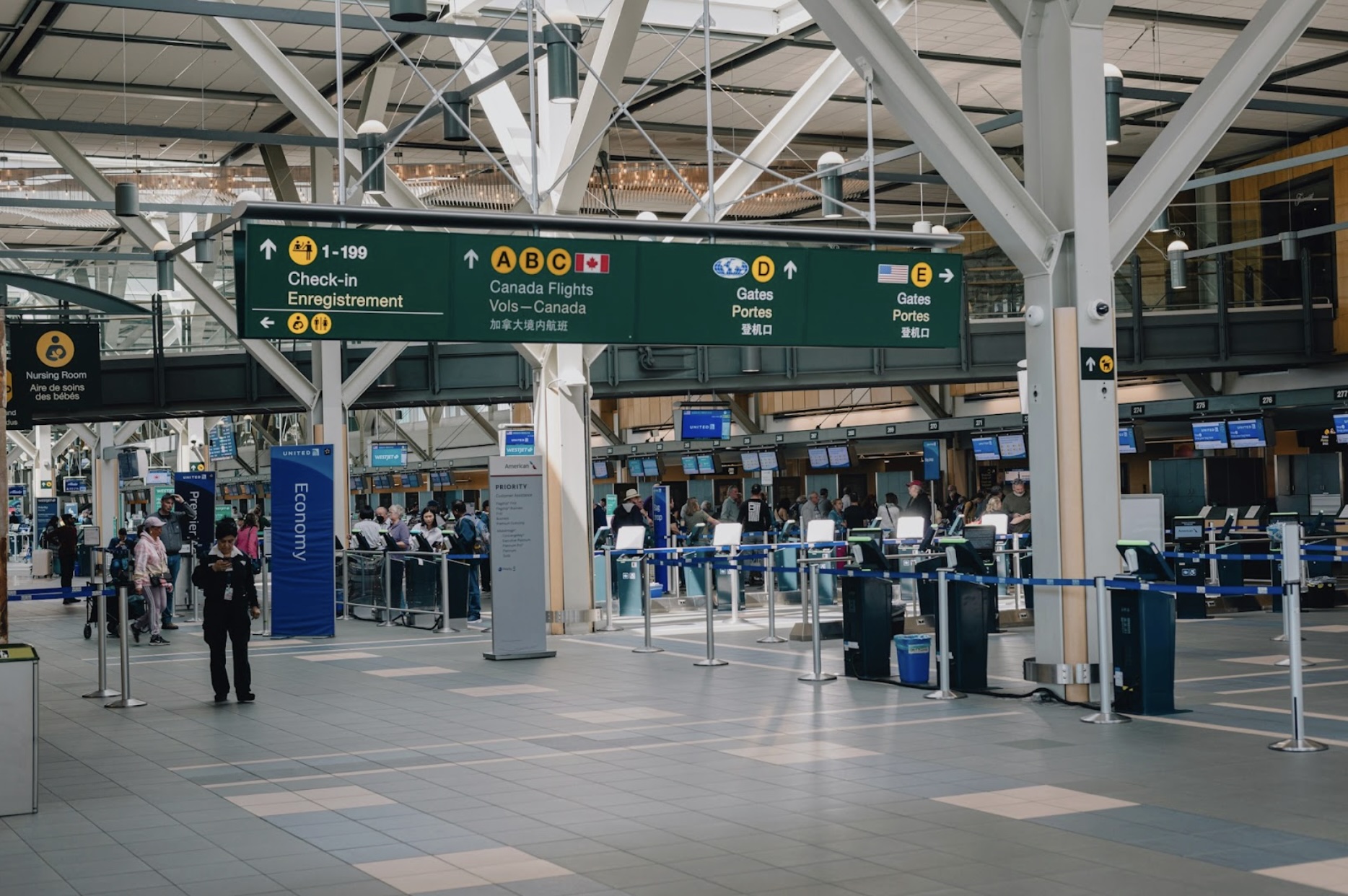
When talking about modern communication systems in large buildings, one of the most critical technologies is the Distributed Antenna System (DAS). These systems allow people inside hospitals, high-rises, transit hubs, and stadiums to maintain reliable wireless connections when outside signals cannot penetrate thick walls or underground spaces. For public safety personnel, that reliability is not just convenient but vital.
The cable that carries signals throughout the building is at the heart of DAS performance. Selecting the right cable can determine whether a system meets strict code requirements and supports uninterrupted communication during emergencies. Among the most trusted options is the plenum-rated air-dielectric coaxial cable, which combines compliance with fire safety standards and strong electrical performance.
Let’s walk through what makes this coaxial cable unique, how it supports compliance, and why it plays an important role in public safety DAS projects.
What Is a Plenum-Rated Air-Dielectric Coaxial Cable?
To understand the role of these cables, the first thing to do is to look at what makes them different from other coax designs. A coaxial cable is built with a central conductor, an insulating dielectric, a shielding layer, and an outer jacket. In an air-dielectric coax, the insulating layer between the conductor and shield is primarily air, supported by spacers or other structures. This construction lowers signal loss and allows efficient transmission across long runs, which is especially valuable in DAS environments.
The “plenum-rated” label refers to compliance with codes for use in plenum spaces, areas like ceiling voids or raised floors used for air circulation. Because these spaces can spread smoke or fire quickly, building codes require cables with low-smoke, flame-retardant jackets that meet stringent test standards. A plenum-rated air-dielectric coaxial cable combines both needs: superior electrical performance and adherence to strict fire safety rules.
Many projects also call for 2 hour coax, a designation for cables tested to maintain functionality for at least two hours during a fire event. That level of resilience supports critical systems that must continue to operate under emergency conditions.
Compliance and Safety Standards
Compliance is non-negotiable when it comes to public safety DAS. The primary standard is UL2524, which sets requirements for in-building two-way emergency communication systems. To meet UL2524, a cable must pass flame and smoke tests and demonstrate reliability under high heat and stress. Compliance with UL2524 gives building owners, contractors, and inspectors confidence that a DAS will perform when needed most.
These standards matter because first responders depend on uninterrupted communication in life-or-death situations. If a fire compromises the cabling, the system could fail just when it is most needed. That is why plenum-rated air-dielectric coaxial cable tested to UL2524 is often the preferred choice for public safety DAS installations.
The Role of Plenum-Rated Air-Dielectric Coax in Public Safety DAS
Public safety DAS provides clear, reliable radio signals for police, firefighters, EMTs, and other emergency personnel inside large buildings. Without these systems, communication dead zones could put responders and building occupants at greater risk.
Plenum-rated air-dielectric coaxial cables play a key role here. Their low-loss characteristics help maintain strong signal strength throughout long cable runs, even across large campuses or multi-level structures. At the same time, their plenum rating satisfies fire code requirements, making them acceptable for use in air-handling spaces where other cables would not pass inspection.
This means that when a public safety officer uses a radio inside a building equipped with DAS, the signal can travel through hundreds of feet of compliant coax without unacceptable loss or interference. These cables support reliable systems that meet operational and regulatory needs by combining performance and compliance.
Key Product Example: ICA12-50JPL
One well-regarded example of a plenum-rated air-dielectric coaxial cable is the ICA12-50JPL. This cable is designed specifically for DAS and public safety applications where performance and safety are essential.
The ICA12-50JPL offers lightweight construction that simplifies handling while maintaining robust electrical characteristics. It is UL-listed, compliant with UL2524, and rated for use in plenum spaces. This combination makes it suitable for high-profile projects where inspectors demand strict adherence to both safety and performance standards.
By selecting a model like ICA12-50JPL, project teams can be confident that their system wiring will support reliable signal transmission while meeting the expectations of code officials and safety authorities.
Other Cable Considerations for DAS Applications
While plenum-rated air-dielectric coaxial cables are central to many DAS projects, recognize situations where added protection may be necessary. For example, armored coax offers additional durability in high-traffic mechanical rooms or areas exposed to potential impact. Armored coax features an extra protective layer, often corrugated or interlocked armor, that defends the cable against physical damage without compromising signal performance.
Choosing between standard plenum-rated coax and armored coax depends on the specific environment. In less vulnerable areas, lightweight plenum-rated designs may suffice. In harsher conditions, armored options provide the peace of mind that the cable can withstand mechanical stress while supporting DAS performance.
Why Choosing the Right Coax Matters for DAS Performance
Looking back at the bigger picture, it becomes clear why cable choice is so important. A DAS is only as reliable as its weakest link. The entire system is compromised if the cable introduces excessive signal loss, fails under heat, or does not meet code.
Selecting the right plenum-rated air-dielectric coaxial cable, it addresses three critical areas.
- Signal integrity: Air-dielectric construction reduces loss, supporting strong and consistent signals across long distances.
- Fire safety compliance: Plenum-rated designs and UL2524 certification demonstrate adherence to the highest safety standards.
- System reliability: Choosing cables designed for DAS applications supports long-term performance with minimal risk of failure.
For system designers, contractors, and facility managers, these benefits translate into confidence that the system will work not just during daily use but also under the extraordinary conditions of an emergency.
Applications Across Public Safety DAS Projects
Plenum-rated air-dielectric coaxial cables are used across many types of buildings. High-rise office towers rely on them to maintain coverage on every floor. Hospitals use them to guarantee that emergency teams communicate effectively in critical care areas. Airports and transit hubs integrate them to support daily operations and emergency response.
The cable selection is guided by performance requirements and code compliance in each case. Inspectors look for markings and certifications that verify the cable meets NFPA, UL, or other local authority standards. Project teams depend on these cables to satisfy inspectors while delivering the performance end users require.
Looking Ahead: Supporting Public Safety through Reliable DAS Cabling
No two DAS projects are identical, but the common thread is the need for safe, compliant, and reliable cabling. Using plenum-rated air-dielectric coaxial cable, project teams can meet code requirements and support system performance, and provide first responders with reliable communication on which they can depend.
As building codes evolve and public expectations rise, these cables remain a cornerstone of public safety DAS. They offer a balance of electrical performance and compliance that few alternatives can match, making them an essential part of modern building infrastructure.
Final Thoughts
In the world of public safety DAS, the details matter. Reliable communication during an emergency can save lives, and every system component makes that possible. Plenum-rated air-dielectric coaxial cables stand out because they combine low signal loss, fire safety compliance, and proven reliability.
Products like ICA12-50JPL and options such as armored coax allow project teams to meet a range of needs, from standard plenum runs to high-stress environments. When paired with compliance standards like UL2524, these cables provide confidence that a DAS will perform when needed most.
For those working on DAS projects, explore resources that outline compliance requirements and product options. To learn more about compliant coaxial cables for public safety DAS, visit the DAS Resource Center, explore product specifications such as ICA12-50JPL, or connect with us through the Contact Page.

Windy City Wire
Windy City Wire
Windy City Wire