Petroleum Cables: Core Considerations for Fuel-Station and Industrial Wiring
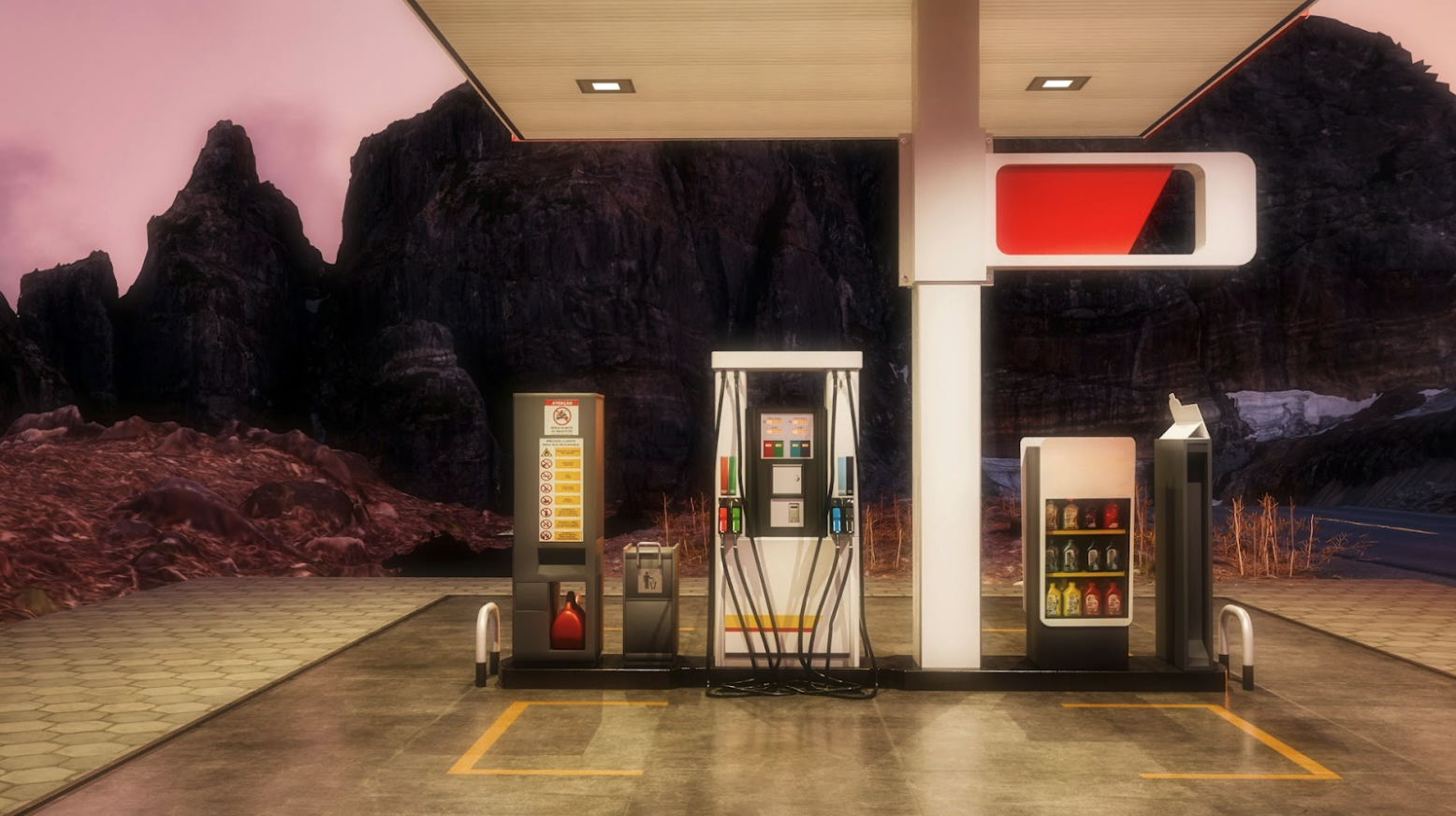
When considering wiring in petroleum environments, envision cable runs that operate quietly while pumps move product and control systems monitor for abnormal conditions. In fuel stations and industrial oil and gas facilities, the wrong cable choice can shorten service life or compromise performance. That is why gas and oil resistant cable sits at the center of many specification discussions for these projects.
This is a look at petroleum rated industrial cable from a specification point of view. A glance at conductor gauge, insulation and jacket materials, voltage ratings, and cable durability. The goal is to highlight what separates purpose built gas-oil-resistant cables from general purpose products that may not tolerate continuous exposure to fuels, oils, and aggressive process environments.
Why Petroleum Environments Demand Specialized Cabling
Petroleum-related facilities combine stresses that standard products do not always handle well. Cables may experience exposure to gasoline, diesel, lubricants, cleaning solvents, and vapors. They may experience fluctuations in temperature near process equipment and mechanical wear from contact with structures. In this context, petroleum cabling acts as both an electrical component and a chemical-resistant barrier.
Cable selection in these systems centers on material science. Engineers and specifiers evaluate which compounds will withstand the chemistry and heat of the application while still delivering stable electrical performance. The result is a family of gas and oil resistant cable wire and cable designs that balance conductivity, flexibility, and resistance to swelling or cracking over time.
What Defines Gas and Oil Resistant Cable
Not every jacket or insulation compound is resistant to petroleum exposure. When talking about gas-oil-resistant cables, the focus should be on how the materials respond when they come into contact with fuels and oils. Some compounds absorb hydrocarbons and soften or swell. Others leach additives or become brittle. Cables carrying a gas and oil-resistant label utilize formulations that control these effects within defined test limits.
Typical exposure scenarios include splashing at dispensers, contact in containment areas, and vapor exposure in process spaces. Oil and gas resistant power cables must tolerate these conditions without significant change in tensile strength, elongation, or dielectric properties. That expectation drives the selection of base polymers, plasticizers, and stabilizers in petroleum-rated designs.
Conductor Gauge Considerations in Petroleum Applications
Conductor size shapes performance in any circuit, and petroleum environments follow the same electrical principles as other industrial systems. When comparing 16 AWG wire and 14 AWG wire for these projects, look at current requirements, voltage drop limits, and mechanical robustness. Smaller gauges support compact control circuits and instrumentation where currents stay low. Larger gauges are suitable for higher current loads and longer runs that support pumps, monitoring equipment, or combined power and control duties.
Industrial gas and oil resistant pair cabling often uses finely stranded copper conductors to support flexibility and vibration tolerance. In some applications, high-temperature gas & oil resistant stranded pair wires carry low level signals near hot process equipment or motors. These designs use a mix of conductor size and strand count to support electrical integrity and resistance to mechanical fatigue.
In all cases, the specification should connect conductor choice to system requirements rather than habit. A cable that carries too little copper may pass initial tests but may experience excessive voltage drop or heating. Oversized conductors add cost and stiffness without providing additional benefit in tightly defined control circuits.
Insulation and Jacket Materials for Petroleum Service
The heart of oil & gas resistant power cables lies in their insulation and jacket systems. These layers protect the conductor from direct contact with fuels and oils, while also providing electrical isolation and mechanical toughness.
First, chemical resistance matters. Jacket compounds must resist swelling, cracking, and loss of physical properties when they sit in contact with fuels, lubricants, and cleaning agents. Insulation materials must maintain dielectric strength and flexibility even when exposed to vapors. These characteristics directly affect the durability of oil and gas industry cables over the life of the system.
Second, temperature performance plays a major role. Process areas and compressor zones may run hot. high-temperature gas & oil resistant stranded pair wires help maintain insulation resistance and mechanical stability at elevated temperatures so that signal and power circuits continue to operate as specified.
Third, mechanical strength supports real-world handling. Abrasion, minor impacts, and pressure from cable supports all contribute to wear. When evaluating cable durability, look for test data around crush resistance, impact performance, and bending fatigue.
Voltage and Safety Ratings in Oil and Gas Wiring
Many petroleum applications operate at higher utilization voltages than typical control systems, so 600 V wire appears frequently in specifications. Cables with a 600 volt rating utilize insulation thickness and material properties that support this level under both normal and abnormal conditions.
Safety expectations also bring fire behavior into the discussion. In certain areas, a fire resistant oil & gas cable may be specified to help critical circuits continue to function during defined fire events. Some designs coordinate with system level protections such as a 2 hour cabinet that houses control components. In that case, the cable and the enclosure form part of a strategy to protect essential circuits under high heat.
The key is alignment between voltage rating, fire performance, and the facility’s hazard classification. A cable that carries the right printed marks but lacks the chemical or thermal resilience for the environment may not provide the level of protection that the system designer intended.
How Oil Resistant Cables Are Tested for Quality
When specifiers evaluate petroleum rated products, test data helps separate marketing language from documented performance. Manufacturers subject gas-oil-resistant cables to a variety of laboratory tests to qualify them as rated cable for harsh environments. These tests provide insight into how oil resistant cables are tested for quality and what their markings mean in practice.
Typical regimes include immersion tests, where samples are submerged in specified oils or fuels for defined periods, while technicians monitor changes in tensile strength and elongation. Thermal aging cycles expose the cable to elevated temperatures, then measure electrical and mechanical properties. Abrasion and crush tests show how jackets and insulation respond to physical stress, while electrical tests confirm dielectric strength and insulation resistance.
Look for transparent references to these methods in technical data sheets. Clear statements about test conditions and results provide engineers with confidence that the product offers more than just petroleum resistance claims.
How to Identify High Quality Oil Resistant Wire for Industrial Applications
With many product choices on the market, procurement teams often ask how to identify high-quality oil resistant wire for demanding sites. It all comes back to several specification points that predict long-term performance.
Verify that the cable explicitly calls out petroleum resistance and references recognized test methods. Then, confirm that the design utilizes conductor gauges suitable for the circuit, whether that means 16 AWG wire for low-current monitoring or heavier conductors for combined power and control. Finally, review the voltage rating and fire behavior requirements that apply to the project so that selected oil and gas resistant power cables align with those expectations.
On top of all that, consider the combined picture. Gas and oil-resistant cable, when designed correctly, combines conductor size, insulation chemistry, jacket durability, and verified laboratory testing. That blend supports reliable performance in fuel stations, terminals, and broader petrochemical infrastructure.
Our Role in Petroleum Rated Systems
Petroleum projects highlight the value of thoughtful cable engineering. Our team focuses on gas and oil-resistant cable offerings that support industrial cable applications where chemical exposure, vibration, and thermal stress are daily concerns. By aligning conductor options and insulation systems with rigorous testing protocols, we develop products that meet the expectations of engineers and procurement specialists in the oil and gas industry.
These designs include industrial gas and oil resistant pair cabling, oil & gas resistant power cables, and other gas-oil-resistant cables tailored to harsh environments.
For a closer look at petroleum-related offerings and application discussions, visit the petroleum resource center.
For project-specific questions or sourcing needs, the contact page provides a direct path to our team.
