How EMV Gas Station Innovations Create New Cable-Specification Demands for Gas & Oil Resistant Wiring
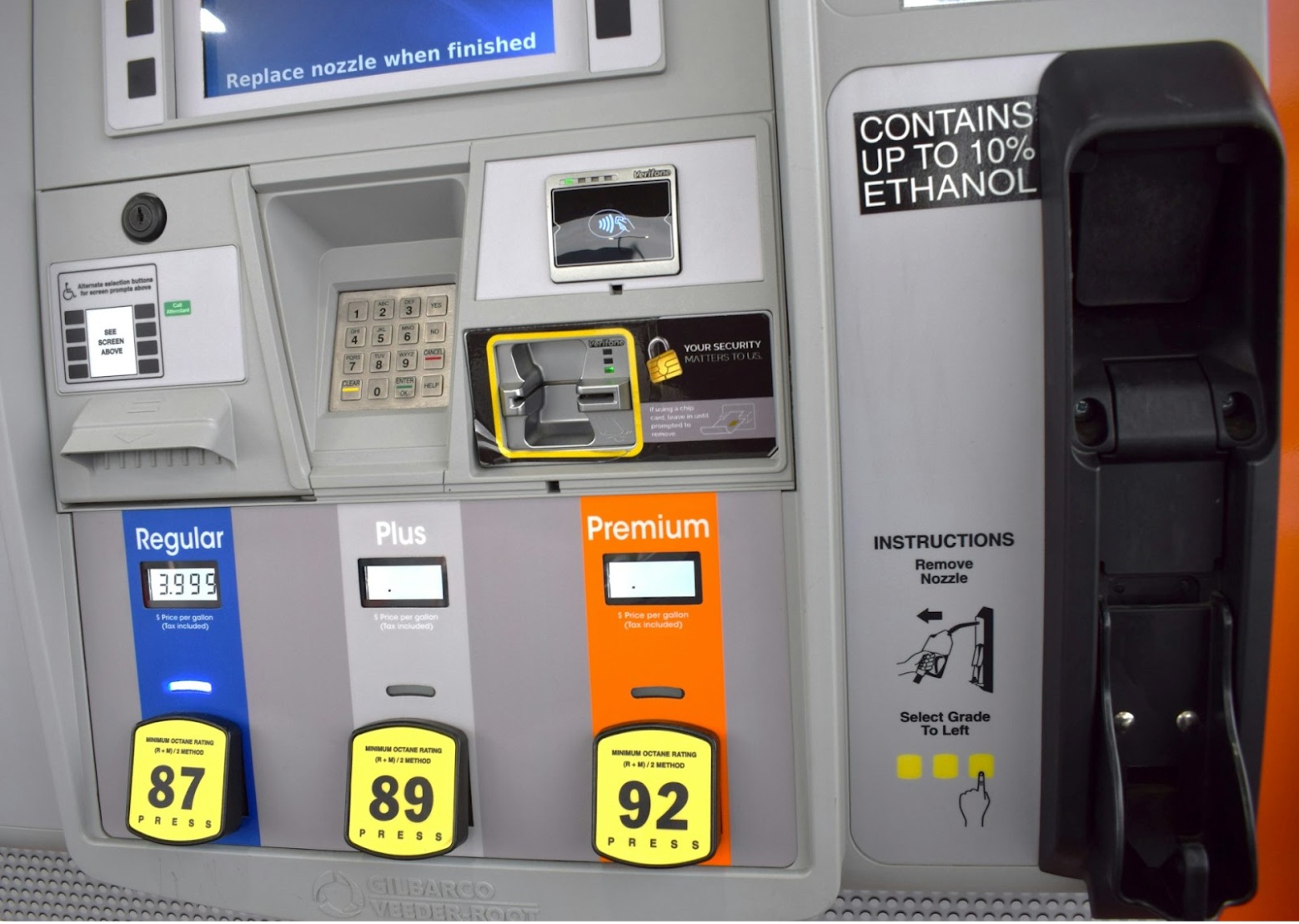
EMV migration turned the gas station into a networked payment environment. Card readers in dispensers now serve as secure endpoints connected to back-office systems and payment networks. That shift altered the wiring profile that connects every gas pump, controller, and monitoring device. The cable that once carried simple on and off signals now supports encrypted data, diagnostics, and continuous communication with payment platforms.
This is a walkthrough on how EMV gas station innovations affect cable selection. That means examining how gas and oil-resistant cable behave in harsh fuel sites, why conductor gauge and shielding matter for CRIND systems, and how petroleum-rated designs contribute to long-term reliability and safety.
EMV Upgrades and Rising Expectations for Cable Performance
EMV adoption brought new logic boards, card readers, media displays, and communication modules into dispenser cabinets. These devices depend on clean data paths between the forecourt and central controllers. Disrupted packets or intermittent voltage drops can manifest as slow authorizations, device reboots, or out-of-service pumps during peak hours.
As a result, cable in these environments now supports higher bandwidth, more frequent polling, and more sensitive data than earlier generation systems. EMV gas station innovations increase the number of connected points per island. More CRIND modules, sensors, and media devices mean more conductors in a limited space. Gas station cables for EMV upgrades need stable electrical characteristics and consistent shielding so data and control signals can share tight raceways without excessive interference.
Behind that requirement sits a web of electrical standards for CRIND systems in fuel dispensers. These standards address safety, grounding, and the quality of communication. From a specification point of view, it makes sense to evaluate conductor size, insulation system, and shielding as parts of one coordinated design.
Harsh Fuel Environments and Material Selection
The physical environment around a dispenser challenges every jacket and insulation system. Petroleum products soak into surfaces, vapors accumulate inside enclosures, and cleaning cycles add water and detergents to the mix. Temperature swings and mechanical movement put stress on the cable system.
Gas and oil-resistant cable must withstand long-term exposure to gasoline, diesel, ethanol blends, and associated vapors. Jackets on gas-oil-resistant cables utilize compounds that resist swelling, cracking, and softening when they come into contact with those fluids. A fuel-resistant wire that starts to break down can compromise dielectric strength, lose flexibility, or allow chemical paths toward conductors, so material choice plays a direct role in system reliability.
In many layouts, underground storage tank wire and cable travels from dispenser islands toward monitoring and gauging equipment. These runs may sit in damp or chemically active zones for years. Specifications for harsh sites often require gas and oil-resistant solid cables or stranded cables with petroleum-rated jackets that maintain their properties under constant stress. Cable durability becomes a measurable performance attribute, not a marketing claim.
Gauge, Voltage, and Shielding in CRIND and Control Circuits
Inside a dispenser, multiple circuit types share space. Some runs provide power to card readers, displays, heaters, and control boards. Others carry low-level serial data or network traffic between CRIND units and site controllers. This entire path functions as a crimp system wiring in gas pumps that must protect both data and power. Each group puts different demands on conductor size and shielding.
Designers commonly specify 16 AWG, 18 AWG, and smaller control conductors in the same bundle. A 16 AWG wire carries more current and has lower resistance per foot than an 18 AWG wire of the same construction, which helps reduce voltage drop on longer control or power paths. Smaller conductors are suitable for low-current signaling, where distance and load remain within comfortable limits.
When these conductors operate near motors, contactors, or lighting circuits, shielded constructions help maintain signal integrity. Gas and oil-resistant Triad stranded cables create grouped elements with shared shielding around balanced pairs or triads. This format supports noise rejection for control and data circuits, providing additional mechanical flexibility.
Supporting Secure Data and Power at the Pump
CRIND platforms rely on cable for both energy and information. The same conduit might carry power for the payment module, serial communication lines, and wiring for leak detection or alarms. From a specification perspective, it helps to map these roles before selecting any product.
Power circuits require conductors and insulation systems that are matched to the operating voltage and current. Data and control paths require consistent impedance, twist, and shielding where appropriate to maintain stable communication in the presence of electrical noise. When those requirements overlap with chemical exposure, gas- and oil-resistant cable wire and cable designs step in. They combine petroleum-resistant jackets with constructions that support serial buses, proprietary control links, or Ethernet-style traffic as required by the system.
In tank and sump areas, underground storage tank wire and cable must survive moisture, hydrocarbons, and physical movement during service. These cables route toward monitoring controllers that watch fuel levels, pressure conditions, and potential leaks. A mis-specified jacket or an insufficient shield design can contribute to noise on critical sensing circuits or premature aging, which may manifest as intermittent faults.
Fire Behavior and Life Safety Considerations
Many fuel sites also draw a line between general control wiring and life safety systems. Oil & gas fire-resistant cables connect to emergency shutdown circuits, alarms, and monitoring points that must keep operating during abnormal events. These products combine flame test performance and chemical durability, enabling them to help maintain circuit integrity when exposed to heat and petroleum products.
In some layouts, armored fire alarm shielded cables or similar constructions support pathways that are exposed to both mechanical impact and harsh conditions. The armor layer protects against crushing or sharp edges, while the shield layer adds noise immunity for sensitive circuits. Armored constructions are commonly used in industrial fire cable applications around loading racks, transfer points, or shared corridors in multi-use facilities. Fire system 14 AWG wire or 14 AWG fire cable is often used in these life safety roles, where stronger conductors are required to support longer runs and higher device counts.
From a design perspective, it is helpful to consider industrial fire cable, fire-resistant cable, and commercial fire system cables as part of a unified toolkit that serves the entire fueling operation. Life safety circuits, control functions, and EMV communication share pathways, spaces, and environmental challenges across the property.
Integrating Gas and Oil Resistant Wiring into EMV Focused Designs
When planners consider upgrades, they typically begin with hardware components, including dispensers, CRIND modules, and media screens. In a specification-driven process, cable enters the conversation early. Gas and oil-resistant cable supports the same payment and control platforms that capture attention during project scoping. Still, it also protects the long-term investment by standing up to harsh conditions.
Gas and oil-resistant solid cables may support fixed power or control circuits with minimal movement. Gas and oil-resistant Triad stranded cables, as well as other resistant stranded cables, can serve multi-conductor control and data runs that experience frequent service activity or tight routing. In both cases, petroleum-resistant jackets and carefully selected insulation systems help maintain electrical properties over time.
At the same time, gas station technology continues to expand. EMV devices coexist with forecourt controllers, tank monitoring systems, and site networks used for loyalty programs or remote diagnostics. Gas and oil-resistant cable in this context becomes part of a broader strategy that connects reliability, data security, and physical durability across the site.
Specification Driven Choices for Next Generation Fuel Sites
EMV gas station innovations highlight the link between payment security and physical infrastructure. Cable stands right at that intersection. Properly selected conductors and jackets support secure data movement, stable power delivery, and long service life in demanding commercial environments.
Our team treats gas and oil-resistant cable as an engineered component, not as a generic commodity. The combination of conductor gauge, shielding, jacket chemistry, and fire performance dictates how the wiring will behave in daily operation and under stress. Oil-resistant compounds, robust shields, and proven fire behavior provide specifiers with a strong foundation for reliable designs.
Teams that want to look deeper into petroleum-rated options can explore the petroleum resources page on our website.
For project-specific questions or help reviewing specifications for gas and oil-resistant cable in EMV-focused designs, the contact page provides direct access to our team for support.

Windy City Wire
March 26, 2024 · 74 views
Windy City Wire
June 19, 2024 · 178 views
Windy City Wire
May 08, 2024 · 193 views