Fire Alarm Cable: Ratings, Types, and Codes
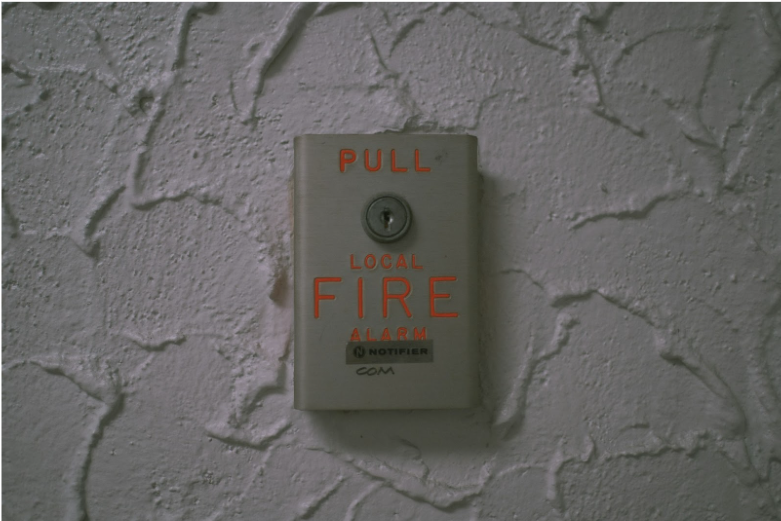
Fire alarm cable plays a critical role in modern life safety infrastructure. Commercial buildings depend on coordinated communication between sensors, control panels, monitoring circuits, and notification systems. That communication depends heavily on the quality and classification of the cable that carries those signals. When discussing commercial fire alarm systems, the conversation often centers on devices and software, yet the wiring that connects those components forms the foundation of the entire system.
It is often discussed how fire alarm cable, fire alarm wiring, and related fire life-safety wire and cable categories support reliable communication within commercial buildings. A properly specified low voltage fire wire and cable network allows devices within a fire alarm system to exchange signals quickly and consistently. Understanding cable classifications, testing standards, and terminology helps engineers and contractors evaluate the best options for commercial fire alarm systems and related building safety infrastructure.
What Is Fire Alarm Cable?
Fire alarm cable refers to specialized fire alarm wire designed to support communication and signaling between devices within a fire alarm system. Unlike general low-voltage network cables, fire alarm wiring supports systems that detect smoke, heat, or other emergency conditions and transmit signals throughout the building’s safety infrastructure.
In most commercial environments, fire alarm cable connects various fire alarm system components, including control panels, detectors, pull stations, annunciators, and notification devices. Each component relies on continuous communication with the control panel or monitoring circuits. Without reliable fire alarm wiring, those signals may fail to reach the equipment that triggers alarms or notifies occupants.
This type of cabling also supports monitoring and reporting functions that allow commercial facilities to track system status and emergency events. For example, detectors communicate through dedicated circuits, and notification appliances receive commands from control panels through designated pathways. Each connection relies on a specific fire system cable designed for life safety applications.
Because of the importance of these signals, the design of fire alarm cable focuses on reliability, signal integrity, and compliance with established safety standards. In commercial environments, cable performance is a key factor in how effectively the entire fire alarm system operates under normal conditions and in emergencies.
The Role of Fire Alarm Cable in Commercial Fire Alarm Systems
A commercial building contains multiple layers of fire detection and notification equipment. These devices communicate through networks of fire alarm wiring that carry signals between sensors, controllers, and alarm devices. Within a typical commercial fire alarm system, several components work together to monitor conditions and activate alerts.
Control panels serve as the central processing units for most systems. These panels interpret signals from detectors and initiate responses when necessary. Smoke detectors, heat detectors, and other sensing devices connect to the control panel through dedicated circuits using specialized fire system cable.
Notification devices such as strobes and audible alarms activate when the control panel receives a signal indicating a fire condition. These devices require reliable connections to the panel through properly rated fire control cable. Monitoring circuits also communicate with external supervision systems that track alarms and system performance.
All of these functions rely on consistent signal transmission. If communication between devices fails, critical alerts may not reach the intended systems. That is why cable classification and performance matter so much in commercial fire alarm systems. The cables that link each device serve as the communication pathways that allow the system to function as a coordinated safety network.
Types of Fire Alarm Cable Used in Commercial Buildings
Commercial buildings rely on several different types of fire alarm cable depending on the environmental conditions and building structure. Each type addresses specific safety considerations and building code requirements.
General purpose fire alarm cable supports standard signaling circuits within many building areas. This category of fire cable typically handles routine connections between detectors, panels, and monitoring equipment.
Another category includes plenum-rated products commonly described as fire life safety plenum wire and cable. Plenum spaces allow air to circulate through building ventilation systems. Because these spaces distribute air throughout the building, cables used there must meet stricter smoke and flame spread characteristics. Plenum-rated cable materials help reduce smoke generated during a fire event.
Riser-rated fire alarm cable represents another common classification used for vertical runs between floors. These cables limit flame propagation through vertical shafts and structural pathways. In multi-story buildings, riser cables help prevent fire from traveling through cable pathways that connect different levels of the structure.
These various classifications form the broader family of commercial fire system cables used throughout large facilities. Each type of cable addresses a different environmental condition or structural layout within the building. The goal remains the same: maintain reliable communication across the network of fire alarm system devices.
For additional information on cable categories and fire system infrastructure, many engineers and contractors consult the technical resources available through the Fire Resource Center, which provides background on life-safety cable classifications and related systems.
Understanding Fire Rated, Fire Resistant, and Flame Retardant Cable
Terminology surrounding fire performance often causes confusion. Words such as fire rated cable, fire resistant cable, and flame retardant products appear frequently in product descriptions and specifications. Although these terms sound similar, they describe different characteristics.
A fire rated cable generally refers to cable that meets specific testing criteria related to flame spread, smoke generation, or environmental classification. This type of fire rated electrical cable meets standards that regulate how cable materials behave during exposure to flame.
A fire resistant cable, on the other hand, focuses on maintaining electrical function during fire exposure. Rather than simply resisting ignition, this type of cable aims to keep circuits operational while heat and flame affect surrounding materials. In life safety infrastructure, that distinction can be important when evaluating cable performance for emergency systems.
The difference between fire retardant vs fire resistant materials often appears in specification discussions. Fire retardant materials slow the spread of flame, while fire resistant materials support continued function under fire exposure. Similarly, the phrase flame retardant vs fire retardant refers to materials designed to limit flame propagation rather than maintain circuit performance.
Understanding these distinctions helps engineers and contractors interpret cable specifications more accurately. The terminology surrounding rated cable classifications describes different performance characteristics rather than a single universal property.
Fire Alarm Cable Ratings and UL Standards
Testing and certification play a major role in defining the performance of fire alarm cable. Industry standards evaluate how cable materials react under specific environmental conditions and flame exposure scenarios. Many of these tests involve independent certification organizations that validate product performance.
Underwriters Laboratories provides several widely recognized standards for evaluating wire and cable. These standards examine insulation materials, conductor performance, and fire-related characteristics. Certifications help determine whether a cable qualifies for specific safety classifications.
Standards such as UL 62 contribute to the broader framework of cable testing. Although this standard addresses flexible cord construction, it is part of the broader set of electrical safety benchmarks used to evaluate wire and cable products. In the context of fire alarm systems, these standards help identify whether a product meets the requirements for particular applications.
Testing also helps differentiate between general wiring products and specialized low voltage fire wire and cable designed for life safety systems. Certification provides documentation that engineers and inspectors use to confirm compliance with electrical and safety codes.
When reviewing cable specifications, project teams often examine certification listings, flame ratings, and insulation performance data. These factors help determine whether a product qualifies as an appropriate fire rated electrical cable for commercial fire alarm systems.
Fire Life Safety Wire and Cable in Building Infrastructure
Fire alarm wiring represents only one portion of the larger category known as fire life safety wire and cable. This group includes cabling that supports various safety systems designed to protect occupants and property.
Life safety infrastructure often includes fire alarm networks, emergency communication systems, monitoring circuits, and other signaling pathways that allow building systems to respond during emergency conditions. Each of these networks relies on specialized cable designed for consistent performance.
Within this framework, low voltage fire wire and cable carries signals between devices responsible for detection, monitoring, and notification. The reliability of these pathways affects how quickly a building’s safety systems react when detectors identify smoke or heat.
In large facilities, the cable infrastructure supporting life safety systems can extend across multiple floors and mechanical spaces. Coordinating these networks requires careful planning and documentation to maintain compatibility between devices and communication circuits.
Many professionals researching fire system infrastructure explore resources discussing commercial fire system cables and their classifications. Technical articles such as Types of Armored Fire Alarm Cable offer additional context about cable construction and protective designs used in demanding commercial environments.
Why Cable Classification Matters in Commercial Fire Alarm Systems
Cable classifications play an important role in how commercial fire alarm systems perform during emergencies. Each classification addresses specific environmental or safety considerations within the building’s structure.
Signal reliability remains a major factor. Fire alarm systems depend on accurate communication between detectors, panels, and notification devices. The fire system cable connecting these components must maintain signal quality across long circuit pathways.
Fire resistance characteristics also influence cable selection. Materials that limit flame propagation or reduce smoke generation help protect communication pathways within the building. These characteristics support overall system performance and compliance with building codes.
Code compliance represents another important factor. Electrical and safety codes reference specific cable classifications for various building environments. Selecting the correct cable type helps align the system with these requirements while supporting consistent performance.
Communication between devices becomes especially important during emergency events. Detectors must relay information to control panels, which then activate alarms and other response mechanisms. Without reliable cable connections, these signals may not travel across the system as intended.
Because of these considerations, the classification of fire alarm cable affects both safety and regulatory compliance in commercial facilities. Engineers and contractors evaluate cable specifications carefully when designing fire alarm networks for large buildings.
Ultimately, the reliability of fire life safety wire and cable supports the effectiveness of detection, monitoring, and notification infrastructure. Engineers, contractors, and compliance teams depend on clearly defined cable classifications when planning and maintaining commercial fire alarm systems. When questions arise about cable categories or specifications, reviewing technical documentation or reaching out through the contact page can help clarify product information and system compatibility.
