DAS Cable Supporting Reliable Distributed Antenna Systems
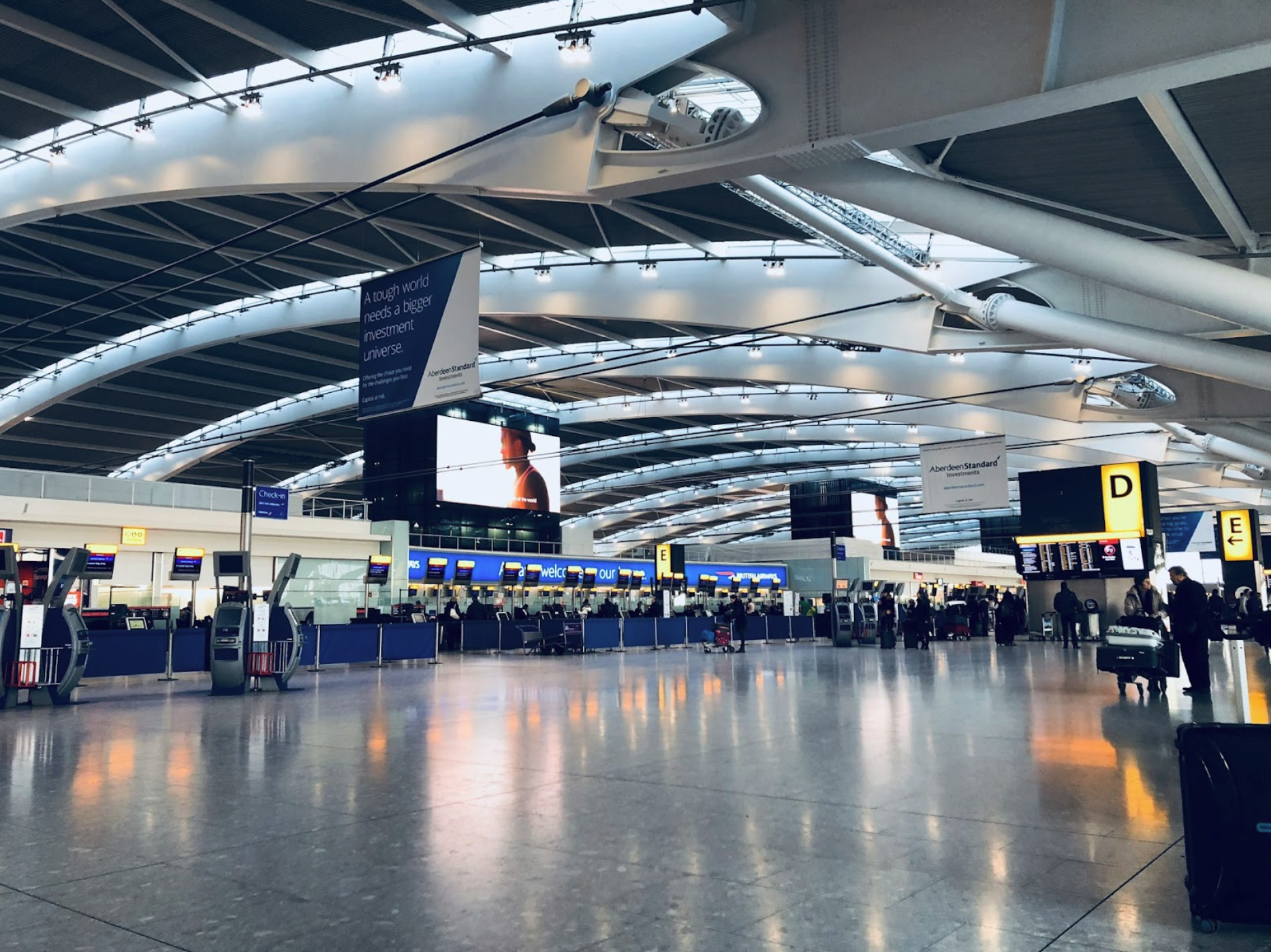
Reliable in-building connectivity has become a critical requirement for modern commercial properties. Large structures, such as hospitals, universities, corporate campuses, airports, and distribution centers, depend on uninterrupted wireless signal strength to support business operations, public safety communications, and everyday mobile use. A Distributed Antenna System (DAS) plays a central role in meeting these expectations by extending wireless coverage throughout complex environments. At the core of every dependable DAS network is high-quality DAS cable engineered to support signal performance, safety compliance, and long-term reliability.
This article explains what a distributed antenna system is, how DAS cable supports system performance, and why commercial and public-safety environments require specific cable constructions such as plenum-rated coax, armored coax, 2-hour fire-rated coax, and UL2524-compliant solutions.
Understanding Distributed Antenna Systems
A distributed antenna system is an in-building network of strategically placed antennas designed to distribute wireless signals across large or obstructed spaces. Instead of relying on a single antenna source, a DAS uses multiple antennas connected through structured pathways to deliver balanced signal coverage. This improves connectivity where building materials, expansive square footage, or underground areas weaken or block wireless performance.
A DAS network typically includes:
Source equipment that receives or generates the wireless signal
A network of antennas
DAS cable connecting antennas, equipment rooms, and intermediate components
Components that manage signal distribution across different building zones
Both commercial and public-safety markets rely on DAS networks. Commercial DAS supports voice and data services for daily business operations, while public-safety DAS ensures first responders have the reliable communication pathways required by local building codes.
How DAS Cable Supports Network Performance
The performance of a DAS network depends heavily on the quality and construction of the DAS cable that connects its components. Because the cable carries RF signals over long distances and through various building zones, it must support:
Consistent signal transmission
Stable electrical performance across extended pathways
Resistance to interference
Long-term durability in demanding commercial settings
Choosing the appropriate DAS cable helps ensure the DAS antenna network performs efficiently and consistently throughout the building. Cable quality affects DAS performance, minimizing losses and supporting uniform signal distribution.
Commercial DAS vs. Public Safety DAS
Although both systems rely on DAS architecture, commercial DAS and public-safety DAS are governed by different standards and communication requirements.
Commercial DAS
Commercial systems support daily wireless communication needs. Consistent coverage improves user experience, enhances productivity, and maintains efficient building operations. Cable requirements focus on stable RF transmission and performance over long pathways across large commercial properties.
Public Safety DAS
Public-safety distributed antenna systems support communication for firefighters, EMTs, and law enforcement during emergencies. These systems are subject to strict regulatory requirements that mandate survivability during fire events, reduced smoke generation, and long-term operational reliability.
This is where specialized public safety DAS wire and cable become essential. Local jurisdictions often require specific ratings, such as 2-hour coax and UL2524-compliant cable, to maintain system integrity during critical events.
Key DAS Cable Types and Their Roles in System Reliability
Different parts of a DAS network may require specific cable constructions depending on environmental conditions, routing pathways, and compliance factors. The following DAS cable types support both commercial and public-safety applications.
Plenum-Rated Air-Dielectric Coaxial Cable
Commercial buildings include spaces known as plenum areas, which support air handling and require cabling that meets strict flame and smoke requirements.
A plenum-rated air-dielectric coaxial cable offers:
Low-loss signal transmission
Specialized materials that meet building code requirements
Stable performance across long pathways
This cable type is commonly used for DAS antenna connections routed through plenum spaces to maintain signal integrity while meeting code-mandated safety requirements.
Armored Coax
Certain building zones expose cabling to physical risk. Mechanical rooms, shaftways, loading docks, and restricted pathways benefit from armored coax, which is engineered for enhanced physical protection.
Armored coax provides:
A reinforced layer that protects against crushing or impact
Durable performance in high-traffic or unsecured areas
Reliable signal transmission under challenging environmental conditions
This makes armored coax valuable for commercial DAS networks that span diverse building environments.
2-Hour Rated Coax
In public-safety DAS, survivability is one of the most important requirements. 2-hour coax is designed to maintain operational integrity during a fire event for a minimum of two hours, helping ensure emergency communications remain active during critical situations.
Its fire-resistant construction allows it to support:
Fire-rated shafts
Emergency pathways
Life-safety zones
Areas required to maintain communication during fire conditions
This cable is essential for buildings that fall under emergency communication codes and enforcement from local authorities having jurisdiction.
UL2524 Compliance and Its Importance for Public Safety DAS
UL2524 establishes performance and safety standards for in-building two-way emergency radio communication systems, including the components and cable supporting them. For public-safety DAS, UL2524 compliance helps ensure:
Fire survivability
System monitoring
Power fault tolerance
Environmental stability
Reliable long-term operation
Many jurisdictions require UL2524-listed cable as part of their emergency communication regulations. For building managers and system designers, selecting UL2524-compliant DAS cable helps meet these requirements while protecting building occupants during emergencies.
How Cable Selection Influences DAS Network Performance
Selecting the correct DAS cable helps ensure consistent network operation across large commercial spaces. Cable choice can influence:
Signal strength over long distances
System reliability
Performance in high-density or complex areas
Compliance with code-mandated safety criteria
Lifespan and stability of the DAS network
Engineering-driven cable selection supports optimized DAS equipment performance, source-to-antenna connectivity, and reduced signal degradation across the entire DAS network.
Supporting Reliable DAS Infrastructure Across Commercial Properties
Whether supporting enterprise wireless coverage or meeting public-safety communication standards, DAS cable plays a critical role in system reliability. By choosing plenum-rated, armored, 2-hour, or UL2524-compliant coaxial cable where appropriate, commercial properties can maintain dependable wireless performance while meeting local regulatory requirements.
To explore DAS cable options tailored to commercial and public-safety applications, visit the Windy City Wire DAS Resource Center. For project inquiries or technical questions, contact us.
