Access Control Composite Cable for Reliable Security System Integration
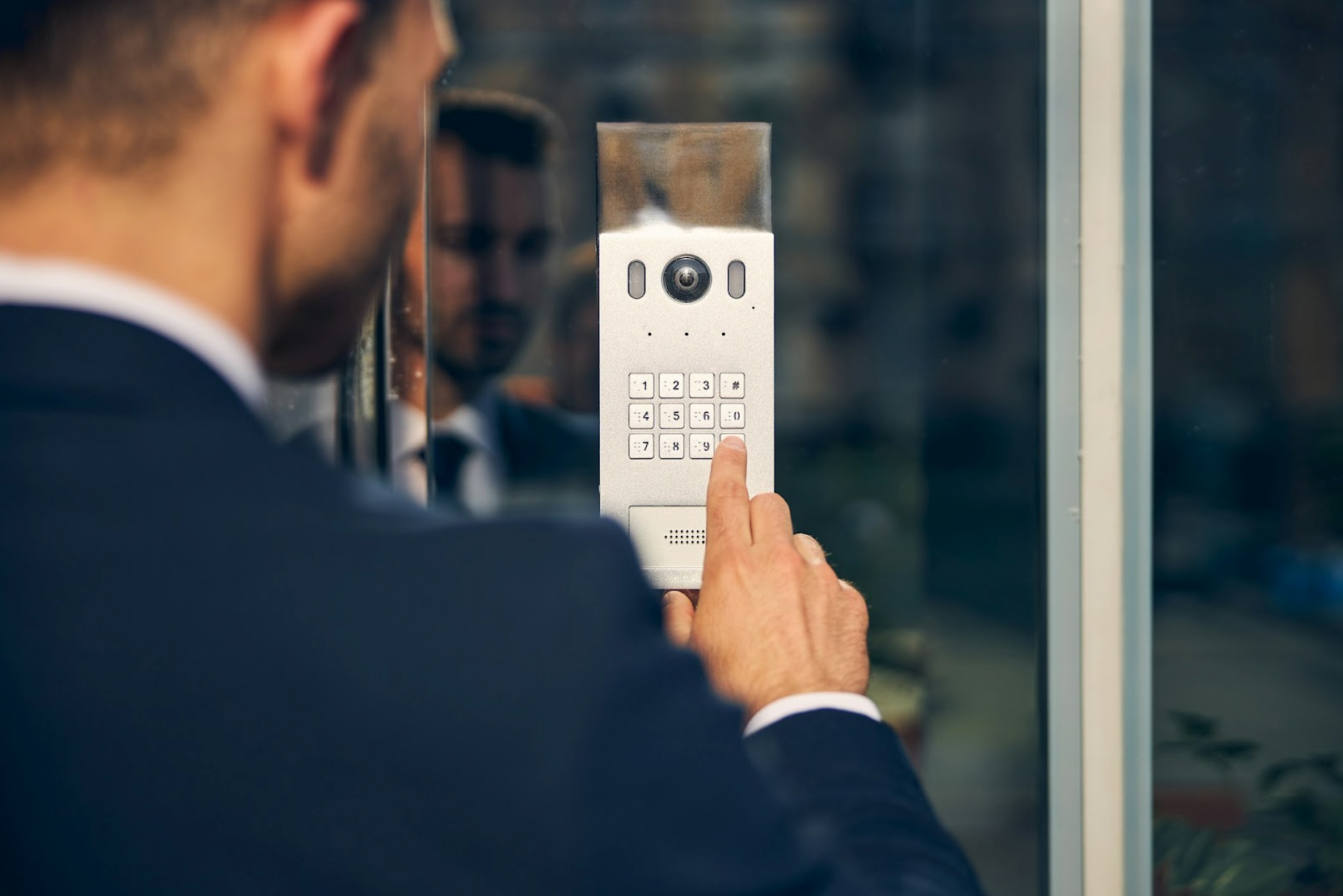
In commercial security, keeping access points, controllers, and monitoring systems connected takes more than just good devices. The cable you choose affects how well these systems work together. Access control composite cable makes system design easier by putting power, data, and control wires into one cable. This setup cuts down on clutter, keeps things organized, and helps security networks run smoothly. This creates a composite cable for security and access control systems that supports consistent, predictable performance.
This blog is a look at the role of composite cables in enhancing system reliability, their unique construction, and how specifications like conductor gauge, shielding, and jacket rating influence performance and compliance.
What “Composite” Means in Access Control
Access control composite cable is a single cable that holds different types of wires. Rather than using separate cables for power, communication, and door contacts, a composite cable puts them all together. Most have a twisted pair for data, two wires for power, and extra pairs for control signals like door position or request-to-exit sensors.
This configuration supports the needs of a comprehensive access control system, including data transmission for credential verification, power delivery for readers or strikes, and auxiliary circuits for control and monitoring. Combining these within one jacket simplifies design and reduces material handling. These multi-conductor composite cables allow multiple circuit functions to operate together without separate cable runs.
Every wire inside the composite cable serves a purpose. The twisted pair handles balanced communication protocols like RS485, which are often used in access control. The power wires provide steady voltage to devices, and the extra pairs support relay contacts or monitoring circuits. Together, these parts create a reliable link between controllers and devices and form the basis of many composite cables for security and access control systems.
Benefits of Combining Power, Data, and Control
Composite cable improves performance and makes projects more efficient. With fewer separate cables, routing is neater and there are fewer chances for errors. Using one cable instead of many also keeps electrical properties like impedance and capacitance consistent.
Labeling and documentation are simpler, too. Color-coded or printed wires help technicians test and maintain systems more quickly. Fewer cables also make inventory easier to organize and reduce wiring mistakes during installation.
Composite cables also help cut down on electrical interference between wires. Balanced twisting and good shielding lower noise, which matters in busy places like office buildings or factories. For long-term reliability, a high-grade composite cable supports consistency across all connected devices.
Shielding and Signal Integrity
Access control systems need clear data to pass between readers, controllers, and monitoring panels. Composite cables use strong shielding to make this possible. Foil or braid shields protect data wires from outside interference, like motors, lights, or radio signals.
Different types of shielding block different kinds of noise. Foil shields cover the wires completely and block high-frequency interference. Braid shields are tougher and work better against low-frequency noise. Some cables use both types for extra protection.
Signal stability matters a lot in RS485-based systems. Even small changes in balance or impedance can cause errors or lost data. Keeping the twist rate steady and using good shielding helps keep signals clear and systems running smoothly, particularly in composite RS485 configurations.
Conductor Gauge and Power Performance
The size of the wires in a composite cable affects how steady the voltage stays across the system. If the wires are too small, power can drop over long distances. Common sizes include 16 AWG wire and 18 AWG wire, which are chosen based on the required current and the cable's length.
Thicker wires, like 16 AWG, are better for longer distances or higher power needs. Thinner wires, like 18 AWG, work for short runs or low-power devices such as keypads or sensors. Picking the right size helps avoid problems like device resets or locks not working right.
Balanced conductor sizing also prevents excessive heat buildup and promotes energy efficiency across the network. By consolidating power, data, and control in a single composite, voltage levels remain stable and predictable, supporting consistent communication and reliable device behavior. This is a key advantage of high-performance security cables designed for long-term stability.
Plenum, Riser, and General Purpose Ratings
Access control cable must comply with building safety codes. The correct rating depends on where the cable is installed within the structure.
- Plenum-rated cable features insulation and jackets designed to limit flame spread and reduce smoke during a fire. It is required for spaces used for air circulation.
- Riser-rated cable is intended for vertical shafts and floor-to-floor pathways, where fire resistance remains critical but smoke control is less restrictive.
- General purpose cable serves in enclosed spaces that are not part of air handling systems or riser pathways.
Using the correct rating for each environment maintains compliance with the National Electrical Code (NEC) and reduces liability during inspection. The cable’s electrical properties remain consistent across these variations, but the materials and flame ratings change according to the safety requirements of the location. These choices help ensure a durable access control wire for security installations in any building type.
How Composite Cable Simplifies System Design
Access control systems usually have several devices at each door or panel, like readers, locks, sensors, and exit buttons. Running a separate cable for each can create a mess and make maintenance harder. Composite cable puts all the needed wires in one route, making things more organized.
This method also makes it easier to expand the system. When adding a new reader or door device, technicians can find the existing composite cable and add to it without messing up other circuits. Color-coded wires help match new connections to wiring diagrams.
Composite cables also cut down on crowding inside conduits or cable trays. With fewer separate cables, there’s less bulk and it’s easier to pull cables through tight spots. This leads to neater installations and makes additional upgrades simpler.
RS485 Communication in Access Control
RS485 protocol is still widely used in access control because it allows devices like door controllers and panels to communicate over long distances without much noise. It works best with a dedicated twisted pair that has the right impedance and good shielding.
A composite cable designed for RS485 keeps the pair electrically isolated from power conductors to minimize induced interference. This separation supports stable signal amplitude and timing, preventing data corruption. Systems that depend on RS485 for real-time communication benefit from cables built to preserve the differential balance and maintain clear data transmission over distance. This also aligns with emerging formats such as osdp cable, which rely on clean, balanced communication pathways.
Mechanical Durability and Long-Term Value
Access control cables often run through busy areas or shared pathways. Composite cables have tough jackets and fillers that protect the wires inside from being crushed or worn down. This strength helps the cables work well for the life of the building.
Having fewer separate cables means fewer bends and pulls, and less chance of mismatched jackets that can damage insulation. Over time, this leads to a more stable setup. Even with regular maintenance or upgrades, composite cables hold up better than using many single cables.
Testing and Documentation Advantages
System verification becomes easier when all necessary conductors are grouped within one jacket. Continuity and polarity checks can be completed faster, and printed conductor legends help technicians identify specific circuits.
Maintenance is faster, too. When fixing a door or reader, service teams can easily check documents to see what each wire does. Good organization means less downtime and less guessing during repairs or audits.
Composite cable also makes recordkeeping easier. Instead of tracking many different cables, engineers can just refer to one type that covers all the connections. This consistency helps contractors, engineers, and inspectors stay on the same page. It also aligns well with standardized multi-conductor composite cable designs used across many security platforms.
Specification Considerations
When choosing an access control composite cable, pay attention to function, safety, and compatibility. Here’s a checklist of the main things to consider:
- Functional mix: Confirm that the composite includes pairs for data, power, and control.
- Shielding: Use individually shielded data pairs for noise-sensitive signals, and consider an overall shield for added protection.
- Conductor gauge: Choose 16 AWG or 18 AWG depending on current and distance.
- Rating: Match the cable to the correct building space, plenum, riser, or general purpose.
- Protocol alignment: Verify support for communication standards such as RS485.
- Labeling: Look for clearly identified pairs to simplify testing and documentation.
Using this checklist helps designers and facility teams pick the right cable for real needs, instead of just relying on catalog information.
The Role of Quality in Long-Term Security Integration
Composite cable plays a key role in making modern access control and security systems reliable. Its design keeps power steady, communication clear, and maintenance simple for all types of devices. With fewer cables and a streamlined infrastructure, every part of the system works better.
High-quality construction and the correct safety rating provide confidence that the cable will perform reliably throughout the facility's lifespan. Every element, from shielding to conductor gauge, works together to maintain signal integrity and electrical stability in demanding environments. This is why many organizations rely on high-quality composite cable for access and security systems as part of their broader low-voltage wire and cable solutions.
For detailed product information and additional resources on security and access control cabling, visit the Security & Access Control Resource Center. For questions or specification requests, reach out through the contact page.

Windy City Wire
Windy City Wire
Windy City Wire