Low-Voltage Wire and Cable Solutions for Gas Station and EMV Systems
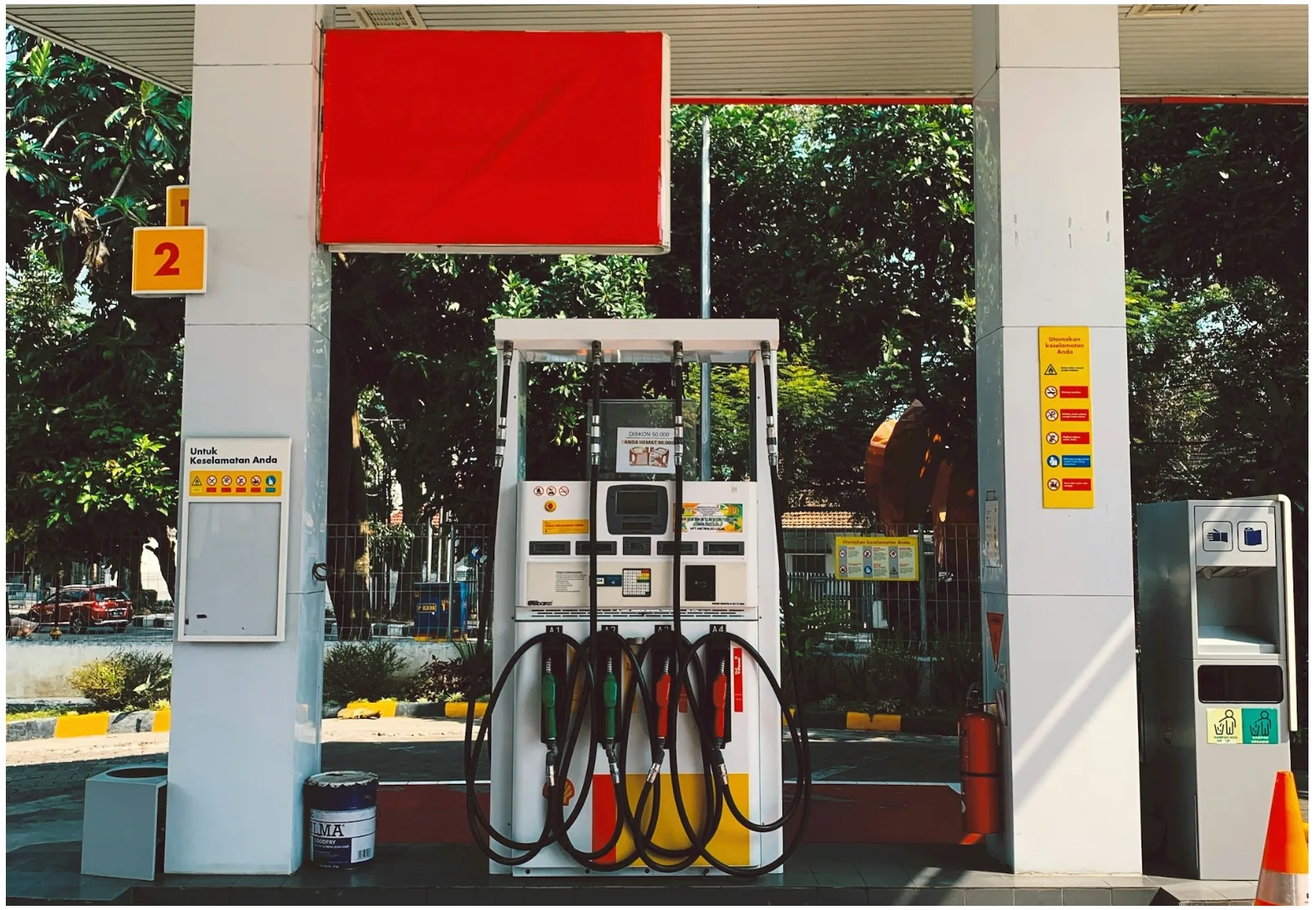
Modern gas stations operate as connected commercial environments, not simple fuel points. Payment systems, dispenser controls, fuel monitoring, security devices, and back-office networks all depend on low-voltage wire and cable solutions that can support data movement, system communication, and long-term performance in petroleum settings. EMV upgrades have made that infrastructure even more important because secure payment systems place more electronics and data traffic at the dispenser level.
For fuel station operators, payment system integrators, and petroleum infrastructure engineers, cable selection affects more than connectivity. It affects payment security in gas pump wiring systems, CRIND communication, fuel monitoring reliability, and the durability of the full-site network. The question is not only whether a cable can carry a signal. It is about whether that cable can continue to perform in the presence of fuel vapor, oil, sunlight, moisture, temperature shifts, and electrical noise.
Why Gas Station Environments Demand More Than Standard Cable
A gas station forecourt creates conditions that standard commercial cable may not handle well over time. Fuel dispensers, underground tank systems, forecourt controllers, and payment devices all operate in spaces where petroleum exposure can occur directly or indirectly. Gasoline, diesel, oil vapor, cleaning agents, and related hydrocarbons can weaken cable jackets not designed for these conditions.
That matters because the jacket and insulation protect the conductors that carry power, control, or data signals. If those outer materials swell, soften, crack, or lose stability, the cable can become vulnerable to moisture entry, conductor movement, electrical irregularities, or signal degradation.
Temperature also plays a major role. A gas pump may experience cold seasonal conditions, heat from equipment operation, and repeated temperature cycling within the dispenser enclosure. Cable materials expand and contract under these changes, so jacket flexibility and insulation stability matter.
Sunlight exposure adds another layer of stress across canopy and forecourt areas. UV can degrade materials that lack sunlight resistance. Vibration from dispenser equipment, service access, and continuous daily operation can also stress cables over time. In this environment, gas-&-oil-resistant cables and fuel-resistant wire are not niche choices. They are part of the specification logic behind reliable petroleum infrastructure.
The durability of oil and gas industry cables depends on how well the cable construction handles these combined stressors. A cable that performs well in a controlled commercial space may not provide the same reliability in harsh environment applications around petroleum systems.
What FEP Cables Bring to Petroleum and EMV Applications
FEP cables are often discussed in petroleum applications because FEP, or Fluorinated Ethylene Propylene, resists many of the chemical and temperature challenges found in fuel environments. It is a fluoropolymer material used for insulation and jacket construction where ordinary materials may not provide the same level of chemical stability.
In practical terms, FEP resists many hydrocarbons, oils, fuels, and solvents that can degrade standard jacket compounds. That resistance helps preserve the physical structure of the cable and supports stable electrical performance over time. In EMV and dispenser communication systems, stability matters because secure transaction data depends on consistent signal transmission between connected devices.
FEP also supports wide temperature performance. Petroleum environments can involve cold starts, heat buildup inside equipment areas, and rapid temperature changes. Cable materials that maintain their properties across a broad temperature range help reduce the risk of performance shifts caused by thermal stress.
The plenum rating associated with many FEP constructions adds another layer of relevance in enclosed commercial spaces. A CMP-rated petroleum cable can support the fire and smoke performance requirements often associated with air-handling areas while still addressing fuel-related exposure concerns. That dual relevance becomes important when cable pathways move between forecourt equipment, control areas, and building infrastructure.
For a deeper look at why EMV upgrades often require petroleum-rated cable, readers can review this blog post as a companion resource.
CRIND System Wiring and the Data Path Behind EMV
CRIND stands for "Card Reader in Dispenser." In a modern fuel station, the CRIND system handles customer interaction and payment input directly at the dispenser. It communicates with the site controller, payment network, and back-office POS infrastructure. That data path must stay consistent because EMV chip transactions involve more data exchange than older magnetic stripe transactions.
EMV gas station innovations have changed the role of cabling at the dispenser. The gas pump now contains more payment technology, more communication pathways, and more data-sensitive equipment. The physical cable layer must support these systems without adding unnecessary signal risk.
CRIND system wiring in gas pumps may support transaction communication, local interface signals, dispenser controller connections, and related low-voltage data paths. If the cable jacket breaks down due to petroleum exposure, or if moisture reaches the conductors, these problems can manifest as slow authorizations, intermittent faults, failed transactions, or unreliable device communication.
Payment security in gas pump wiring systems depends in part on the reliability of the physical infrastructure that supports the transaction chain. Secure software and compliant payment hardware still need cable that can carry data cleanly through a demanding environment.
Category 5e FEP cable remains relevant in this setting because many CRIND and dispenser communication loads do not require the bandwidth of higher-category systems. They require dependable, petroleum-compatible data performance. In that context, the right cable is not always the highest data category. It is the one whose construction aligns with the environment and system requirements.
For more context on EMV-ready cabling in gas station technology, this blog offers a useful related discussion.
Underground Storage Tank Wiring and the Full-Site Picture
Gas station cabling does not stop at the dispenser. The full site often includes automatic tank gauging, leak detection sensors, submersible turbine pump controls, interstitial monitoring, security devices, and fuel management systems. Many of these systems connect through low-voltage cabling that supports data, control, or monitoring functions.
Underground storage tank wire and cable face distinct environmental pressures. Below-grade pathways may involve moisture, soil chemistry, fuel vapor, temperature variation, and physical pressure. These conditions can challenge jacket materials and affect long-term electrical performance.
Automatic tank gauging systems depend on accurate data from sensors and monitoring devices. Leak detection and inventory monitoring also rely on dependable communication between field devices and control equipment. If cable performance changes because of moisture intrusion, conductor movement, or jacket degradation, the monitoring system may lose accuracy or consistency.
FEP-insulated and petroleum-rated jacket constructions help address these concerns by resisting fuel-related exposure and maintaining material stability. In site-wide gas station technology, this matters because forecourt, tank monitoring, and payment systems often operate as an interconnected infrastructure. A weak point in one section can affect the reliability of the broader network.
This broader view also helps explain why gas station cables for EMV upgrades are often considered alongside other petroleum cable needs. An EMV project may focus on payment hardware, but the same site may also need compatible cable for dispenser data, monitoring systems, and controller communication. Evaluating the full site helps keep the cable specification aligned with the environment rather than being isolated to a single device.
What to Look for in a Petroleum-Rated Cat 5e Cable
When evaluating cable for gas station and EMV systems, the focus should be on construction, environmental resistance, and application suitability rather than category rating alone. Petroleum environments place unique demands on low-voltage infrastructure, making material selection just as important as data performance.
Conductor construction is a logical starting point. A 24 AWG solid bare copper, 4-pair UTP design supports Category 5e communication while maintaining compatibility with many dispenser, controller, monitoring, and payment system networks. The insulation material also matters. FEP insulation provides a level of chemical and thermal stability that standard commercial cable materials may not offer in fuel-related environments.
The jacket deserves equal attention. A gas- and oil-resistant FEP jacket helps the cable withstand fuel vapor exposure, sunlight, moisture, and temperature fluctuations commonly found around dispensers and forecourt equipment. Ratings should align with the intended environment, including CMP plenum performance where applicable. A 300V rating and Category 5e performance to 350 MHz provide additional reference points when evaluating suitability for low-voltage communication systems.
Environmental characteristics should also be reviewed as part of the specification process. Temperature range, sunlight resistance, oil resistance, gas resistance, and supporting documentation all help determine whether a cable is appropriate for long-term use in petroleum applications. These factors can be just as important as electrical performance when reliability is the goal.
For multi-site fuel projects, consistency can be another consideration. Whether supporting EMV upgrades, dispenser replacements, or monitoring system expansions, using a cable with documented specifications and dependable availability can help maintain uniformity across locations and simplify future maintenance planning.
Bringing the System Together
Low-voltage wire and cable solutions for gas station and EMV systems support more than basic connectivity. They help integrate payment devices, CRIND systems, forecourt controllers, underground tank monitoring, security devices, and back-office systems into a single operating environment.
As gas station technology continues to place more data and control functions at the dispenser, the physical cable layer deserves careful attention. FEP-based petroleum cable provides the chemical resistance, temperature stability, and data performance needed for many EMV, CRIND, and monitoring applications.
Readers evaluating petroleum-rated cable options can explore additional product and application information using the specific Resource Center provided. For project-specific specification questions, use the contact us link. It provides a way to discuss requirements, documentation, and cable options for fuel station systems.
