Choosing EMV-Ready Cables: A Guide for Modern Gas Station Technology
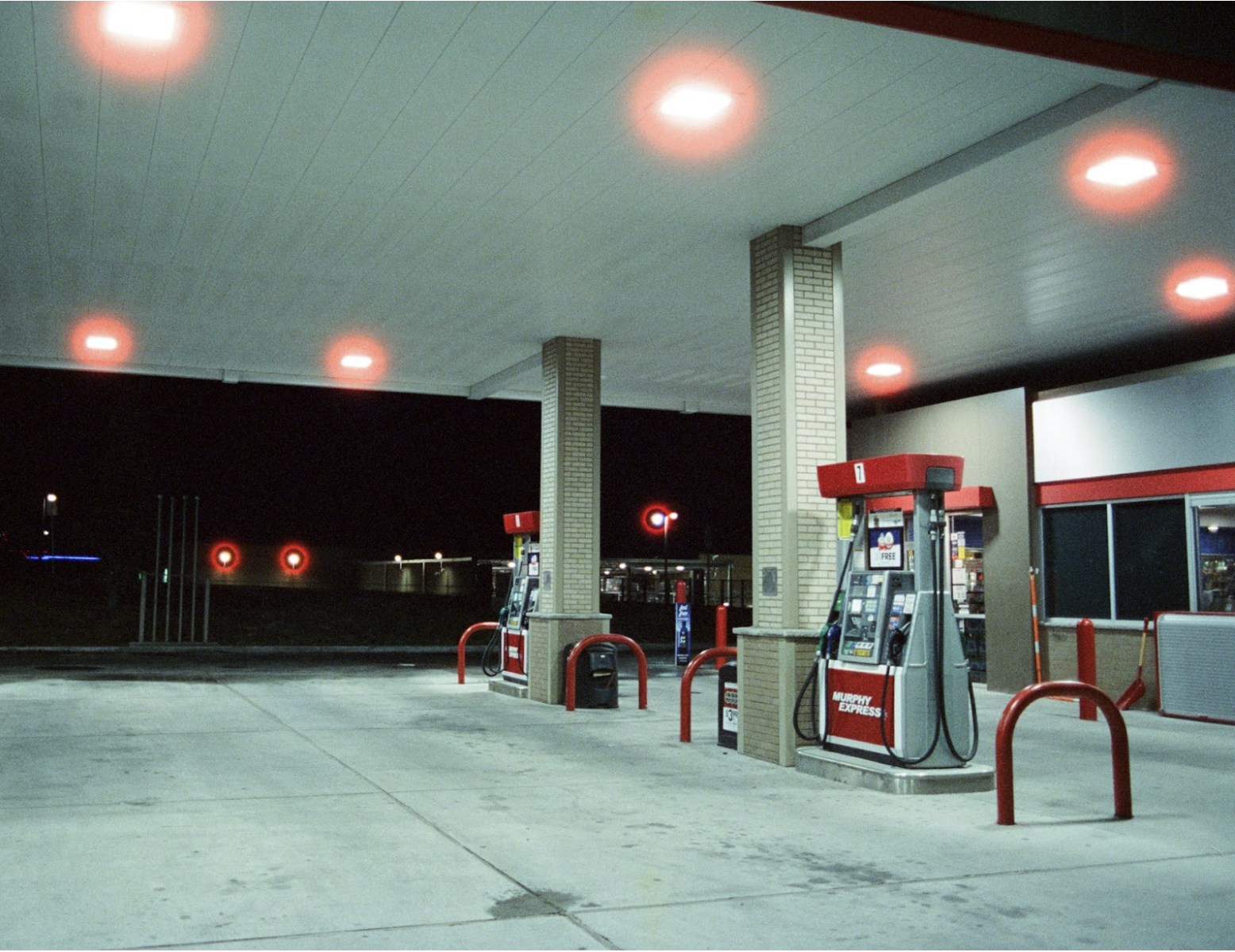
Payment security changed the expectations for fuel dispensers. EMV card acceptance at the pump pushed many sites to upgrade card readers, controllers, and point-of-sale connections so transactions run with stronger authentication. In the middle of that hardware conversation sits an unglamorous detail that still matters: cabling. The cable choice links power, data, and control across equipment that lives around fuel, vibration, and constant use.
This article focuses on how to think about EMV-ready cable selection in a practical, spec-driven way. We support contractors and purchasers who need clear specs and dependable availability, so our team stays close to these cabling questions.
Why EMV upgrades demand the right cable selection
EMV upgrades do not just add a new card reader. They often modernize the CRIND, update dispenser electronics, and tighten the connection between the dispenser and the store network. Each part of that path depends on stable power delivery and clean data transmission. A weak link can show up as timeouts, reader resets, or intermittent device faults that waste technician time and disrupt transactions.
The core challenge is simple. Not all industrial cable belongs in petroleum-adjacent environments. A cable that performs well in a general plant setting may degrade faster when exposed to fuel, oil, cleaning chemicals, and moisture. For upgrade teams, cable selection becomes a foundational decision, not a last-minute accessory. That mindset sits behind the search phrase gas station cables for EMV upgrades.
Understanding The Cable’s Role In Gas Station Emv Systems
A modern fuel dispensing system moves information between several points. The dispenser and its CRIND handle card reads, prompts, and transaction messaging. The dispenser controller or interface board passes data to the site controller or POS. The back office network may also exchange telemetry, pricing, and diagnostic events.
Those pathways rely on consistent signal transmission. CRIND terminals need predictable data flow so the device processes prompts and approvals without delays. In a busy location, small communication hiccups can multiply into lost sales and customer frustration.
Security must also be considered at the wiring level. EMV does not make a cable secure by itself, but cabling quality supports stable links that reduce retries and error states. In that context, crind data protection through secure wiring means selecting constructions that maintain signal integrity and resist environmental damage that triggers faults.
Environmental Conditions That Impact Cable Performance At Gas Stations
Fuel stations count as harsh environment applications for a reason. Equipment faces chemical exposure, mechanical stress, and shifting temperatures. Cables may run through conduit, raceways, or equipment enclosures, and they still deal with real-world stressors.
Petroleum and chemical contact: Gasoline, diesel, oil, and vapors can attack certain jacket compounds over time. Cleaning agents and degreasers add another layer of chemical variability.
Temperature fluctuations: Equipment heats up during operation and cools down overnight. Seasonal swings can also stress insulation and jackets, especially where condensation forms.
Moisture and condensation: Weather, washdowns, and condensation can introduce moisture around enclosures. Water intrusion can corrode terminations and degrade cable performance.
Abrasion and vibration: Dispensers vibrate. Doors open and close. Panels flex. Movement can rub cable jackets against edges or supports.
A generic cable might function initially, then underperform as jackets harden, crack, or swell. That is why petroleum-rated options and fit-for-purpose constructions matter.
Key Characteristics Of Gas Station Cables For Emv Upgrades
Gas and oil resistance
Gas resistant cables use jacket compounds designed to tolerate contact with petroleum products and oils. This characteristic matters because a cable jacket acts as the first line of defense against chemical exposure. When the jacket resists swelling and softening, the cable keeps its shape and mechanical strength longer. Look for oil resistance ratings and material descriptions that match the site’s exposure risks.
Mechanical durability and abrasion resistance
Cable durability shows up in jacket thickness, compound toughness, and overall construction. In fuel dispensing areas, cables may experience rubbing, pulling, and vibration over long periods. A more durable jacket can reduce nicks and wear that lead to failures. Durability also supports uptime because a cable that holds up better reduces the frequency of troubleshooting and replacement.
Electrical stability and signal integrity
EMV transactions depend on clean communication between the dispenser, CRIND, and the controller network. Cables that control impedance, pair balance, and shielding can help maintain consistent data transmission. Pay attention to shielding coverage because interference can come from motors, lighting, and switching equipment near dispensers. The goal stays simple: keep the data path stable so devices communicate without repeated errors.
Cable Construction Considerations For Emv Gas Station Applications
A. Conductor design and stranding
Conductor stranding can matter in environments with movement and vibration. Stranded conductors typically handle flexing better than solid conductors in dynamic areas. Some forecourt and dispenser harness applications use specialized constructions, including triad stranded cables, when systems call for multiple conductors with controlled geometry. Triad designs can support certain signaling or control schemes and can pair well with shielding depending on the application.
B. Gauge selection and system requirements
Power and control circuits often specify conductor size based on load and distance. In many dispenser and controller contexts, teams may specify 14 AWG wire for certain power or control needs, while other circuits may call for 16 gauge wire. Avoid one-size-fits-all rules here. The right gauge ties back to the equipment specification, voltage drop limits, and the electrical design for the site. A thoughtful selection keeps power delivery stable and reduces nuisance faults.
Compliance, Standards, And Safety Expectations
EMV upgrade projects involve multiple stakeholders: petroleum contractors, electricians, integrators, and inspectors. Each group cares about compliance and safety, even when they focus on different details. Cable selection plays into that conversation because ratings communicate how a cable performs under electrical stress, temperature, and environmental exposure.
It’s recommended to use specification sheets and published ratings as the source of truth. Look for clear voltage ratings, temperature ratings, and chemical resistance statements, and match them to project requirements. Compliance supports reliability because it reduces mismatches between the cable and the conditions it faces. It also supports confidence during inspection and turnover.
How Emv-Ready Cabling Supports Modern Gas Station Technology
Gas station technology now blends payment, telemetry, and operational monitoring. Operators want dependable transactions, but they also want visibility into dispenser status, alerts, and service needs. Cabling supports that ecosystem by carrying data between equipment and the site network with minimal disruption.
A stable cable infrastructure helps support secure payment processing by reducing transaction errors and device resets. It also supports integrated forecourt systems that tie dispensers, POS, and monitoring platforms together. Reliable data communication lets teams diagnose issues faster and keep equipment online.
In that sense, EMV-ready cable selection sits at the foundation of modernization. It affects daily performance, not just compliance checkboxes.
Common Pitfalls When Selecting Cables For Emv Upgrades
Some problems show up repeatedly in upgrade discussions.
Relying on generic industrial cable without petroleum considerations: A cable can look rugged on paper and still degrade when jackets face fuel exposure or chemical cleaning.
Overlooking environmental exposure factors: Teams sometimes focus on data speed and forget moisture, vibration, and abrasion. Those factors can drive failures long before bandwidth limits matter.
Prioritizing short-term availability over long-term performance: Availability matters on tight schedules, but a quick substitute can create repeat service calls later. Selecting a cable that matches the environment can lower the total maintenance burden.
These pitfalls do not require complicated solutions. They require disciplined selection based on exposure, rating, and application needs.
Making Informed Cable Decisions For Emv Gas Station Upgrades
EMV upgrades bring meaningful improvements to payment acceptance, but the surrounding infrastructure still determines day-to-day reliability. When evaluating cabling for dispenser and CRIND pathways, focus on resistance to fuel and oil, mechanical toughness, and stable electrical performance. Those factors help keep communication consistent and reduce the downtime that frustrates operators and customers.
Teams can make better choices by treating cable selection as part of the system design. Match the cable to the environment, follow equipment specifications, and review published ratings before purchase decisions.
If you’re looking for related reading, this blog covering Gas Station Cables for EMV Upgrades is a great place to start. We also have all our petroleum-focused cabling resources in one location. Contact us for any additional questions.
