Bend Radius, Cable Management, and Technician Ergonomics: Do the Small Things Right
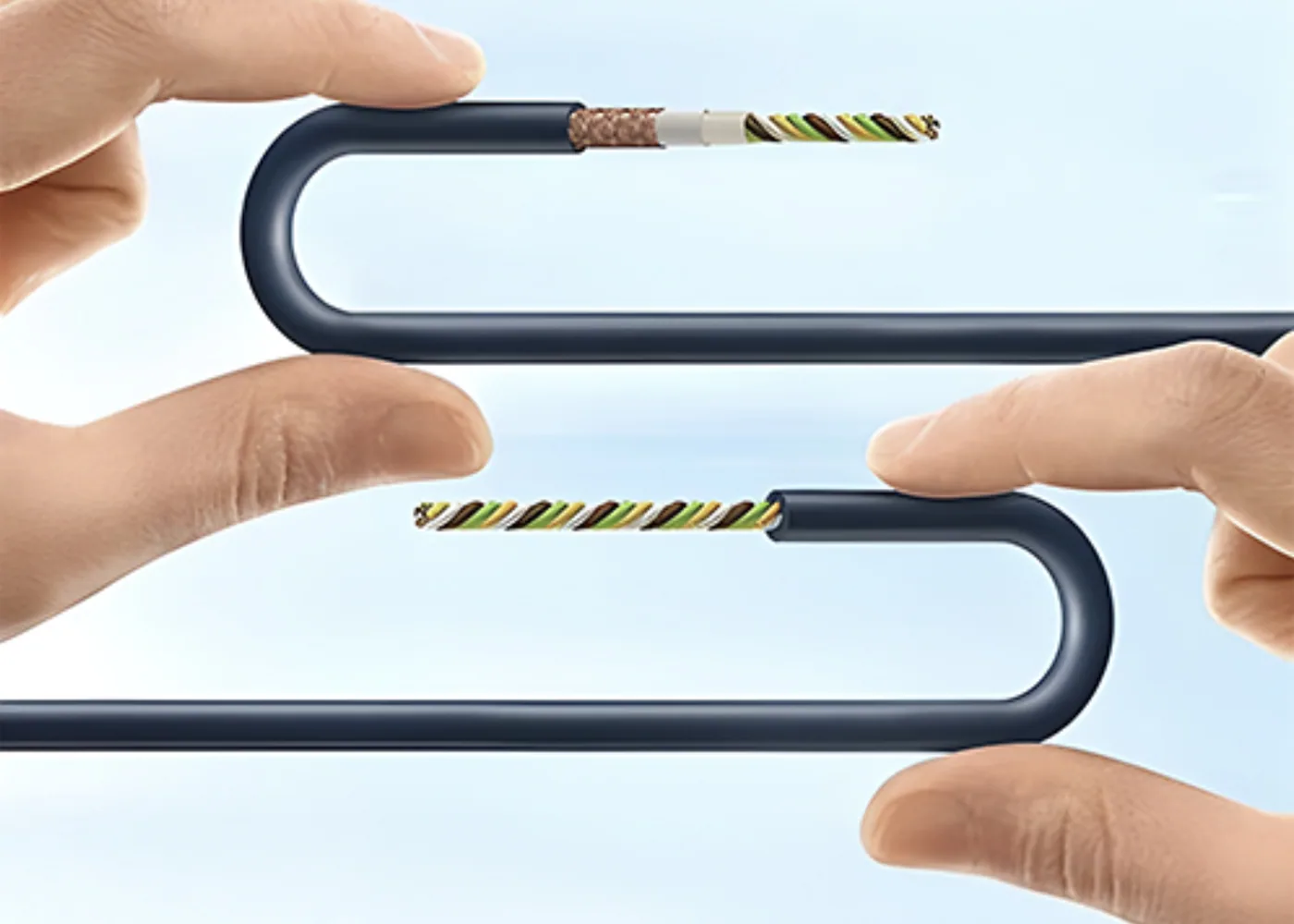

In low-voltage installations, small implementation details drive predictable performance and jobsite consistency. Bend radius, cable management, and technician ergonomics intersect in practical ways during staging, transport, and pulling. At Windy City Wire, we build an integrated approach—SmartWire cable packaged in our RackPack with dedicated transporters—to keep those details aligned from receiving through final pull. Our Complete Field Systems Solution combines reel-in-the-box control, friction-reducing materials, and secure mobility so technicians can plan routes, preserve bend radii, and move significant footage with less exertion across a job site. Explore the components and videos here: Windy City Wire, RackPack Overview, RackPack Transporters, SmartWire Overview, and our Complete Field Systems Solution video.
Bend Radius: What It Controls in Low-Voltage Work
Bend radius is the minimum arc a cable can follow without deforming conductors, shifting geometry, or stressing shields and jackets. During pathway design, maintaining the specified radius preserves electrical characteristics, reduces the chance of jacket cracking or ovalization, and helps avoid re-pulls.
On site, bend radius appears at several critical points: the box or reel during payout, risers and transitions from horizontal to vertical, around ladder rungs and J-hooks, entering enclosures and racks, and throughout temporary staging and transport. When cable is pulled under tension or guided through tight mechanical paths, installers often balance tension, friction, and bend geometry simultaneously.
To address this, we integrate packaging, cable technology, and mobility. SmartWire includes SmartWire Glide Technology to reduce pulling friction, helping cable navigate turns more easily and making it simpler to maintain larger sweep radii during the pull. FastFIND Footage Markers on SmartWire streamline route planning and reduce unneeded loops that can create tight bends in staging areas.
Cable Management with an Integrated Field System
RackPack: Reel-in-the-Box Control
Our patented RackPack is a reel-in-the-box package engineered for uniform, controlled payout. A solid wooden spool is suspended by heavy-duty endcaps inside a durable carton, preventing snags and allowing smooth, tangle-free pulls. The carton maintains consistent dimensions for stacking and staging, and the side hole aligns across multiple boxes for secure linking to each other and to our transporters. PerfectPull tear-aways—front (horizontal) and top/bottom (vertical)—let technicians select the payout direction that suits the pathway, minimizing twist and preserving bend radius at the first point of contact. See the design in action in our videos: What Is a RackPack? and the Complete Field Systems Solution.
Transporters: Grab-N-Go, RackStak, and RackTrak
RackPacks are designed to work seamlessly with our transporter lineup—Grab-N-Go, RackStak, and RackTrak—which are dedicated mobility tools for staging and pulling operations.
Grab-N-Go: Compact, handheld staging and pulling for short runs and service work. Watch the Grab-N-Go video.
RackStak: Durable, lightweight, collapsible, and maneuverable in tight spaces and on stairs; accommodates multiple RackPacks for medium-scale pulls. Watch the RackStak video.
RackTrak: Large-scale transporter for high-footage jobs, with locking wheels to stabilize during pulls. Watch the RackTrak video.
Each transporter secures RackPacks via the aligned side holes. By mounting linked RackPacks to a transporter, pull effort is directed into unspooling the cable while boxes remain stable. This reduces twist and helps avoid abrupt directional changes that can lead to tight bends at payout.
Technician Ergonomics in Day-to-Day Handling
Technician ergonomics is influenced by how often cable needs to be lifted, repositioned, and reoriented, and how tightly equipment must be maneuvered through constrained spaces. RackPacks maintain a consistent height and depth across SKUs, simplifying stacking, secure linking, and predictable handling. Linked RackPacks on a transporter reduce repetitive lifting and allow a single technician to move and stage significant footage with minimal manual carrying.
In smaller scopes or service work, the Grab-N-Go provides handheld mobility. For multi-box mobility on stairs and narrow corridors, the RackStak is designed to help technicians progress through the building while keeping payout aligned. For high-footage pulls, the RackTrak adds locking wheels to hold position during pulls, concentrating energy on unspooling rather than shifting cartons. Because most pulling effort is applied to the spool rather than to moving the box, technicians can maintain a neutral posture at the handle or guide point.
How Bend Radius Plays into RackPack + SmartWire on Site
Plan Payout Alignment at Staging
Position RackPacks so the cable exits in the direction of travel. Use the front tear-away for horizontal pulls and the top or bottom tear-aways for vertical routing. When stacking vertically, feed lower-box cable through the upper-box opening to bundle multiple cables in one smooth vertical action. These controls limit abrupt directional changes at the payout point and reduce the chance of tight bends as cable leaves the carton. See demonstrations in the RackPack overview and What Is a RackPack?.
Use Transporters to Set the Geometry of Movement
Link RackPacks via the side holes and secure them to the appropriate transporter. This creates a single mass with aligned payout points, reduces carton shift, and keeps cable payout consistent while moving between rooms and floors. The stable frame sets a defined pulling line so cables avoid sudden kinks on starts and restarts. See the Transporters overview and Complete Field Systems Solution video.
Leverage SmartWire Glide to Reduce Friction Through Transitions
Lower friction through conduit, sleeves, and turning points decreases the pulling tension needed to navigate bends. Reduced tension helps maintain the intended sweep radius throughout the path, especially in long horizontal runs, risers, and turns. Learn more about SmartWire Glide Technology.
Route Over Supports Sized for the Cable’s Diameter
Choose ladder rungs, J-hooks, and radiused guides that exceed the cable’s minimum bend radius. With RackPacks secured on transporters, payout remains steady, making it easier to guide the bundle across supports without forcing abrupt angles.
Use FastFIND Footage Markers to Prevent Over-Pulls and Unnecessary Loops
FastFIND ascending/descending footage markers on SmartWire allow quick point-to-point verification and calculation of remaining footage. This reduces extra cable on the floor, keeps staging areas clear, and minimizes impromptu loops that can introduce tight bends during cleanup or cutback. See SmartWire overview.
Stabilize High-Footage Pulls with Locking Wheels and Mass Linking
For larger runs, use the RackTrak with locking wheels. When RackPacks are linked and the transporter is fixed in place, initial payout and re-pulls remain steady, which helps avoid small-radius bends at the mouth of the carton and during stop/start cycles. See the RackTrak video.
What This Looks Like on a Project
Receiving to Staging
RackPacks arrive with consistent dimensions, clear labeling, conductor ID, and QR codes that connect to product details and spec sheets. Boxes can be branded and include job-specific identifiers for field clarity. Technicians select transporters based on expected footage and access constraints: Grab-N-Go for service work and short runs, RackStak for multi-floor mobility and stairs, and RackTrak for large-volume movement and stable, long pulls. See: RackPack Overview, Transporters Overview, Grab-N-Go, RackStak, and RackTrak.
Pre-Pull Setup
Linked RackPacks are positioned so payout paths follow the designed route. For vertical risers, the top tear-away positions the exit where gravity assists cable feed; for multi-cable vertical bundles, lower boxes can feed through upper openings to keep the bundle aligned from the start. See: What Is a RackPack? and the Complete Field Systems Solution video.
Pull Execution
SmartWire Glide reduces contact friction, and footage markers confirm progress and remaining supply to match the route plan. Locking wheels on RackTrak hold position during higher-tension pulls, concentrating energy on unspooling instead of dragging cartons. The side-hole linking spreads the mass of multiple RackPacks along a single axis, creating a stable, repeatable payout line. Learn more at the Transporters overview and SmartWire overview.
Closeout
Because cable was dispensed on line with the route and supports were sized with bend radius in mind, terminations proceed without rework due to kinking or jacket damage. Remaining footage can be verified at a glance on the SmartWire print legend, and partial boxes can be returned to inventory for future service calls with labeling intact. See: SmartWire overview and RackPack overview.
Resources to See It in Action
Complete system: Complete Field Systems Solution video
Packaging: What Is a RackPack?
Transporters: The Grab-N-Go, The RackStak, The RackTrak
Product pages: RackPack Overview, RackPack Transporters, SmartWire Overview
How This Supports Low-Voltage and SmartWire-Specific Use Cases
The integrated approach is designed for the realities of low-voltage work—multi-cable pulls, mixed pathways, and frequent transitions from horizontal to vertical. Rack-ready labeling, side-hole alignment, and standardized carton geometry reduce improvisation at the jobsite level and keep bend radius considerations consistent from first pull to last. SmartWire’s coating and markers further support bend-sensitive routing, especially in longer conduit sections and bundled pathways common in low-voltage, security, AV, and building systems.
A quick component overview:
SmartWire: American-made low-voltage cable with SmartWire Glide Technology and FastFIND Footage Markers for friction reduction and length calculation. See the SmartWire overview.
RackPack: Reel-in-the-box package with suspended wooden spool, heavy-duty endcaps, PerfectPull tear-aways, side-hole alignment, and customizable labeling. See the RackPack overview and What Is a RackPack?.
Transporters: Grab-N-Go, RackStak, and RackTrak engineered to link and secure RackPacks, simplify movement, and stabilize high-footage payout. See the Transporters overview and product videos.
In Closing
Bend radius, cable management, and technician ergonomics remain connected throughout planning, staging, movement, and pulling. The RackPack, SmartWire cable, and our transporters create repeatable conditions for maintaining bend geometry, controlling friction, and stabilizing payout. For a deeper look, review our product pages and videos, and contact us to connect with a Windy City Wire sales representative to discuss your next project: Windy City Wire.
