When to Use 14 AWG Fire Systems Wire
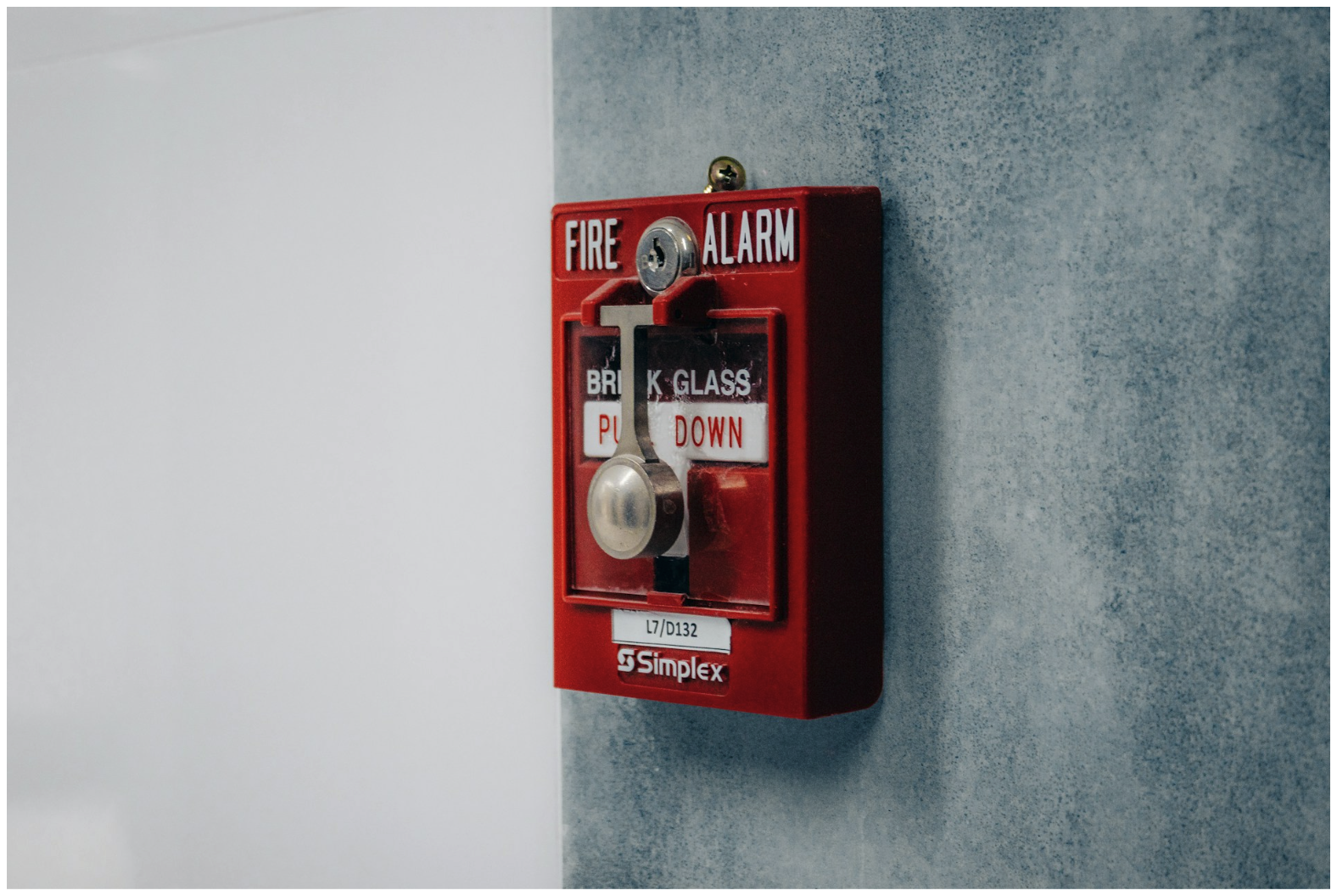
In commercial life safety design, wire gauge affects how a fire alarm system delivers power, sends signals, and continues to function reliably as cable runs get longer. Deciding when to use 14 AWG fire system wire influences voltage, device load, and how far your circuits can go.
14 AWG functions as a practical midpoint in many commercial fire alarm systems, bridging the gap between lighter gauges used for shorter or lower-demand circuits and heavier conductors designed for higher current loads. Its lower resistance supports more consistent voltage delivery over longer distances, while still maintaining a manageable cable size. Understanding where 14 AWG fits requires looking at how conductor size influences circuit performance, particularly as system length and device load increase.
What AWG Means in the Context of Fire Alarm Wiring
AWG stands for American Wire Gauge, the North American standard for describing electrical wire diameter. The scale works in reverse: a lower gauge number indicates a larger conductor. A larger conductor generally offers lower resistance and greater current-carrying capacity, while a higher gauge number indicates a smaller conductor with higher resistance.
In fire alarm wiring, that relationship matters because a fire alarm system depends on predictable voltage and signal performance across its circuits. Longer pathways increase resistance, and heavier device loads increase electrical demand. Together, those factors make conductor size an important part of system design.
That is the core issue behind the question in this article. When does 14 AWG become the right choice? The answer depends on the interaction between circuit type, run length, total current draw, and system design requirements. In smaller circuits, a thinner conductor may be enough. In larger commercial systems, the lower resistance of 14 AWG wire can support better performance across longer distances and higher loads.
How Fire Alarm Systems Use Wire Gauge to Distribute Power and Signal
A commercial fire alarm system uses several circuit types, each with different wire demands. Gauge decisions depend on system design.
Initiating Device Circuits (IDC) connect devices such as smoke detectors, pull stations, and other initiating points to the control panel. These circuits carry lower current than notification circuits, but distance can still make wire gauge important, especially in larger layouts.
Signal Line Circuits, or SLC loops, carry communication between addressable devices and the fire alarm control panel. These circuits focus heavily on data and device interaction, so system manufacturers typically define clear conductor requirements based on their own equipment specifications.
Notification Appliance Circuits (NAC) are where gauge often becomes more critical. These circuits power horns, strobes, sounders, and related notification devices. Because they supply current to field devices, voltage drop becomes a much more visible concern. In many commercial fire alarm systems, this is where 14 AWG fire systems wire enters the discussion most often.
This is also why fire alarm system components should never be viewed in isolation. The panel, the devices, the total current load, and the circuit layout all interact. Wire gauge is part of that electrical framework, not a separate detail.
The Role of Resistance in AWG Selection
Resistance sits at the center of wire gauge performance. As cable runs get longer, total circuit resistance increases. As resistance rises, voltage drop becomes more likely. In a fire alarm system, that matters because the last device on a circuit still has to receive enough voltage to operate within its intended range.
The basic resistance benchmarks show how conductor size affects electrical performance. An 18 AWG solid copper conductor has about 6.4 ohms of resistance per 1,000 feet, which translates to roughly 13 ohms of loop resistance. A 16 AWG conductor drops to about 4.0 ohms per 1,000 feet, or around 8.2 ohms in a full circuit loop. A 14 AWG conductor measures approximately 2.5 to 2.6 ohms per 1,000 feet, or about 5.2 ohms loop resistance, while a 12 AWG conductor drops further to roughly 3.2 to 3.6 ohms in a loop.
That progression explains why 14 AWG fire cable holds such an important place in commercial work. It offers a meaningful reduction in resistance compared with 16 or 18 AWG, while avoiding some of the added bulk associated with 12 AWG. In real design terms, that often makes it a strong fit where 16 AWG begins to lose margin, but 12 AWG is more than the system requires.
In large buildings, long horizontal runs and vertical riser pathways can quickly add up. The farther the current travels, the greater the effect of conductor resistance on performance. When device load is layered on top of that, 14 AWG can provide a more stable electrical path than smaller gauges.
When 14 AWG Is the Right Choice for Commercial Fire Alarm Systems
The clearest use case for 14 AWG fire systems wire is the long NAC circuit. Notification appliances draw power, and that demand becomes more challenging when the circuit extends across a wide floor plate, a large tenant space, or multiple zones. In those conditions, the lower resistance of 14 AWG supports more dependable voltage delivery to end-of-line devices.
A second common use case is the higher-load notification circuit. Horns, strobes, and multi-candela appliances place heavier current demands on the cable than many initiating or signaling devices. When several appliances share the same circuit, 14 AWG often provides a better electrical cushion than 16 or 18 AWG.
Large conventional systems also make a strong case for 14 AWG fire cable. In conventional design, worst-case calculations often treat the load as if it were concentrated toward the far end of the circuit. That pushes resistance and voltage drop into sharper focus. In those systems, 14 AWG fire systems wire can provide the margin needed to support circuit performance under full-load assumptions.
Vertical pathways in multi-story buildings create another situation where 14 AWG becomes relevant. Riser runs add length quickly, and cumulative resistance can become significant. A larger conductor helps limit that rise and supports more stable power distribution over the full pathway.
That does not mean 14 AWG wire is always the answer. It means 14 AWG is the right answer when distance and current demand exceed what lighter gauges can comfortably support.
For readers looking for more background on this topic, this blog, 14 AWG Fire Systems Wire: The Backbone of Commercial Fire Alarm Wiring explains how this conductor size fits within larger life safety systems.
14 AWG vs. Other Gauges in Practical Terms
A practical comparison helps clarify where 14 AWG stands among common fire alarm conductors. Eighteen AWG often fits shorter initiating circuits and many addressable loops, where current draw remains modest and run lengths stay controlled. Sixteen AWG is usually suitable for moderate distances and mid-range notification or initiating applications.
Fourteen AWG is where system length and device load start pushing those smaller conductors harder. It serves long NAC circuits, larger commercial floor plans, and situations where lower resistance improves voltage delivery in a meaningful way. Twelve AWG goes one step further and often applies where current demand or pathway length is even greater.
The goal is not to default to the heaviest wire but to match the conductor to the circuit requirement. In many projects, 14 AWG is the practical balance point.
Code and Compliance Considerations for 14 AWG Fire Systems Wire
Gauge selection does not stand alone. Cable rating and code context matter just as much. NFPA 72 serves as the primary fire alarm and signaling code in the United States, and it shapes how system designers evaluate wiring performance and compliance.
Within that framework, 14 AWG fire systems wire may be rated differently depending on the physical environment of the run. FPL cable serves general-purpose applications. FPLR cable is riser-rated and used where vertical runs between floors require that level of performance. FPLP cable is plenum-rated for air-handling spaces where stricter fire and smoke standards apply.
This means gauge and rating are two separate but connected decisions. A designer may determine that 14 AWG is the right conductor size for load and distance, then determine whether FPL, FPLR, or FPLP is appropriate for the space. In all cases, the authority having jurisdiction has final say on compliance expectations.
For a broader look at life-safety cable categories and fire-rated product families, our Fire Resource Center provides useful context for these classifications.
Why 14 AWG Matters in System Stability
The reason this topic keeps resurfacing in commercial fire alarm work is simple. Gauge affects performance by determining how much voltage reaches the farthest appliance, the resistance the circuit adds, and the design margin remaining under the intended load.
A fire alarm system is only as stable as the combined performance of its fire alarm system components. Panels, detectors, appliances, modules, and wire all have to work together within the same electrical reality. A gauge choice that seems minor on paper can have a clear effect once the full circuit length and device count are taken into account.
That is why 14 AWG keeps showing up in larger commercial environments. It addresses a common situation in which the design calls for more conductor performance than smaller gauges can comfortably deliver, while still fitting within a practical cable profile for many systems.
When to use 14 AWG fire systems wire comes down to performance demands. It becomes the right choice when circuit length, device load, and voltage drop calculations move beyond the comfortable operating range of 16 or 18 AWG. In many commercial fire alarm systems, that means longer NAC circuits, higher-current notification pathways, large conventional layouts, and riser runs where resistance adds up quickly.
14 AWG is a conductor size that occupies an important middle ground. It reduces resistance in a meaningful way, supports stronger power distribution, and helps stabilize circuit behavior without automatically pushing the design to 12 AWG. That makes it a practical part of many large-scale fire alarm designs.
The larger takeaway is straightforward. AWG selection is not a minor specification detail. It is part of the electrical foundation of the system. For teams reviewing gauge choices, cable ratings, and life-safety wiring options in more depth, use our contact page as the next step.
