What Is CATV and How It Supports Modern Network Cable Infrastructure
In commercial low-voltage environments, signal distribution rarely relies on a single cable type. Instead, systems operate across multiple layers that include coax, category-based network cables, and control pathways working together. CATV plays a specific role within that structure. It supports signal transport across coaxial infrastructure while interacting with broader AV, surveillance, and structured cabling ecosystems. Understanding how CATV fits into modern infrastructure helps clarify how coordinated systems maintain consistent performance across complex environments.
Understanding CATV in Modern Commercial Infrastructure
CATV refers to a coaxial cable-based distribution system for carrying RF signals across a network. In commercial infrastructure, CATV extends beyond traditional television delivery and becomes part of a larger signal distribution framework. It connects headend equipment, distribution amplifiers, splitters, and endpoint devices across a coordinated network.
CATV is a component within integrated AV and low-voltage systems rather than a standalone system. It operates alongside structured cabling, security infrastructure, and digital media pathways. These systems rely on consistent signal transport across multiple endpoints, and CATV provides a stable coax-based layer within that environment.
Commercial facilities often use CATV infrastructure to distribute content across large spaces such as conference environments, broadcast areas, and monitoring zones. It also integrates into surveillance and communication systems where RF signal transport remains relevant. For a broader view of how these systems connect in AV environments, the AV resource center provides additional context on infrastructure coordination.
The Role of Coax Cables in CATV Systems
Coax cables form the foundation of CATV systems. Their construction supports RF signal transmission by combining a central conductor, dielectric insulation, shielding layers, and an outer jacket. This design helps maintain signal integrity over longer distances than other cable types.
In CATV infrastructure, coax cables carry signals between distribution points and endpoints. Signal consistency depends on the cable’s impedance stability, shielding effectiveness, and overall construction quality. Even small variations in these characteristics can affect performance across the system.
Coax cables also support a wide frequency range, allowing CATV systems to handle multiple signal types simultaneously. This capability makes them suitable for broadcast distribution, surveillance feeds, and other signal-intensive applications. The ability to carry RF signals with minimal loss over distance remains one of the reasons coax continues to play a role in modern infrastructure.
This is not a legacy medium, but a specialized solution for RF transport. Within CATV systems, it provides a predictable and stable pathway that complements other types of network cables used in structured cabling environments.
CATV and Structured Cabling Ecosystems
Modern commercial infrastructure relies on structured cabling to organize communication pathways. This includes category cables, fiber, and coax systems working together to support different types of signals. CATV fits into this ecosystem as the RF distribution layer.
Structured cabling systems often include patch panels, horizontal cabling runs, and backbone connections that link different parts of a facility. Within this framework, a patch cord connects equipment to network endpoints, while coax cables handle RF-based signal distribution. Each cable type serves a specific function, and system performance depends on how well these functions align.
CATV is part of a coordinated approach rather than an isolated technology. In many environments, CATV infrastructure connects to AV systems, surveillance networks, and broadcast equipment. These connections create a layered system in which signals move across different cable types based on their format and requirements.
This integration allows commercial environments to support multiple technologies without relying on a single medium. CATV contributes by handling RF distribution, while category cables and fiber handle data and high-speed communication. Together, they form a comprehensive network cable infrastructure.
Supporting Commercial Surveillance and Camera Systems
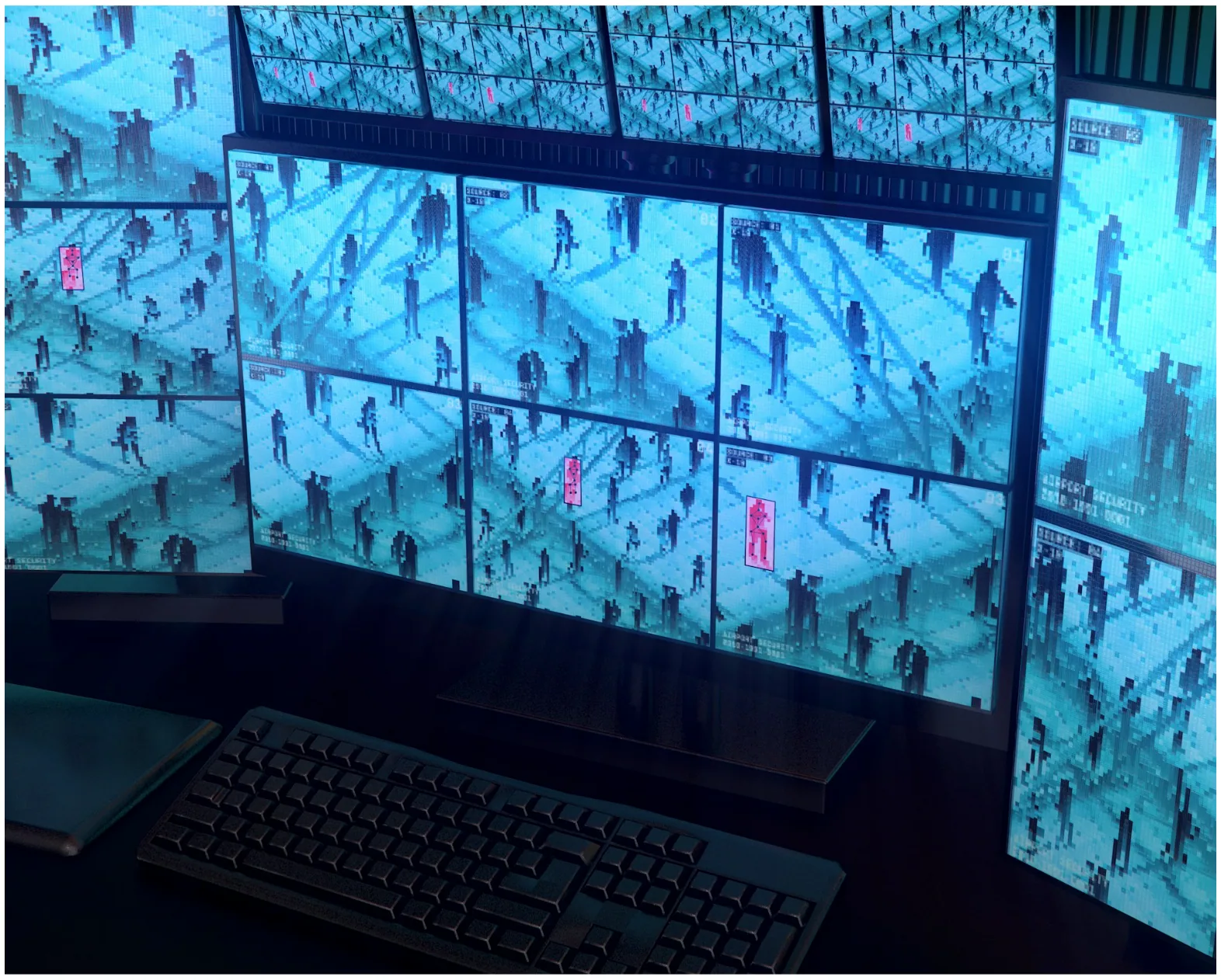
Surveillance systems often rely on multiple signal transport methods. While IP-based systems use category cables, many environments continue to use coax infrastructure for video transmission. CATV-related coax cables play a role in these systems by supporting video signal distribution across monitoring networks.
A camera cable in coax-based systems carries analog or RF video signals from cameras to monitoring equipment. This setup remains relevant in environments where coax infrastructure already exists or where RF distribution provides advantages in signal consistency.
CATV infrastructure can support these surveillance systems by providing a centralized distribution pathway. Signals from multiple cameras can travel through coax networks to monitoring stations, recording systems, or control centers. This arrangement allows for coordinated signal management across the system.
Surveillance infrastructure should be viewed as how different cable types interact. Coax cables support video distribution, while network cables support control and data transmission. CATV systems contribute to this balance by maintaining a reliable RF pathway within the broader system.
The Continued Importance of Coax Infrastructure in Modern AV Systems
Coax infrastructure continues to support modern AV systems despite the growth of digital media and IP-based
solutions. Its ability to carry RF signals with stability makes it suitable for broadcast distribution, signal
routing, and specialized AV applications.
In commercial AV environments, coax cables often connect distribution equipment to displays, monitoring systems,
or processing units. These connections require consistent signal performance across multiple endpoints. CATV systems
provide the structure needed to manage these connections effectively.
COAX is part of the evolution of AV infrastructure. It works alongside newer systems, supporting specific signal types that benefit from its characteristics. This coexistence allows commercial environments to adapt to changing technology without abandoning existing infrastructure.
For a deeper look at how coax has evolved within AV systems, the article on the importance of coax cables in modern AV systems provides additional insight into its ongoing role.
CATV Infrastructure and System Coordination
System coordination plays a critical role in commercial infrastructure. Multiple technologies operate within the same environment, and each depends on consistent signal distribution to function correctly. CATV contributes to this coordination by providing a dedicated pathway for RF signals.
In a coordinated system, CATV infrastructure connects distribution points, amplifiers, and endpoints in a
structured manner. This organization supports efficient signal routing and reduces the risk of interference or
signal degradation. It also allows different systems to operate together without conflict.
Think of CATV as one layer within a larger system. It does not operate independently. Instead, it interacts with structured cabling, AV equipment, and surveillance systems to create a unified infrastructure. Each layer supports a specific function, and the overall system depends on how well these layers align.
This approach highlights the importance of planning and coordination at the infrastructure level. CATV systems provide a stable foundation for RF signal distribution within that broader framework.
How Modern Cable Infrastructure Supports Long-Term Performance
Modern cable infrastructure supports performance by focusing on reliability, consistency, and organization. Systems that rely on multiple cable types benefit from a structured approach that defines how each component interacts with the others.
CATV plays a role in this approach by maintaining a consistent RF signal pathway. Its integration with network cables, patch cords, and other infrastructure components enables systems to operate efficiently across different signal types.
Look at long-term performance as a function of system design rather than individual components. When CATV infrastructure aligns with structured cabling and AV systems, it creates a stable, predictable environment. This stability supports ongoing operation even as systems evolve.
Commercial environments depend on this type of coordination. Signal distribution, communication pathways, and monitoring systems all rely on consistent infrastructure. CATV continues to support these requirements by providing a dependable coax-based layer within the overall network cable ecosystem.
The Ongoing Role of CATV in Commercial Infrastructure
CATV remains an important part of modern network cable infrastructure, supporting RF signal distribution in
commercial environments. It integrates with structured cabling, AV systems, and surveillance networks to create a
coordinated infrastructure that supports multiple technologies.
Coax cables, camera cable pathways, and patch cord connections all contribute to this system. Each component serves a specific purpose, and CATV provides the framework to manage RF signals within it. This role positions CATV as part of the ongoing evolution of commercial low-voltage systems rather than a legacy solution.
For those evaluating infrastructure options, additional information and resources are available on the contact page, where further guidance on cable infrastructure topics can be found.
