Ethernet Connectors for Outdoor and Underground Cables
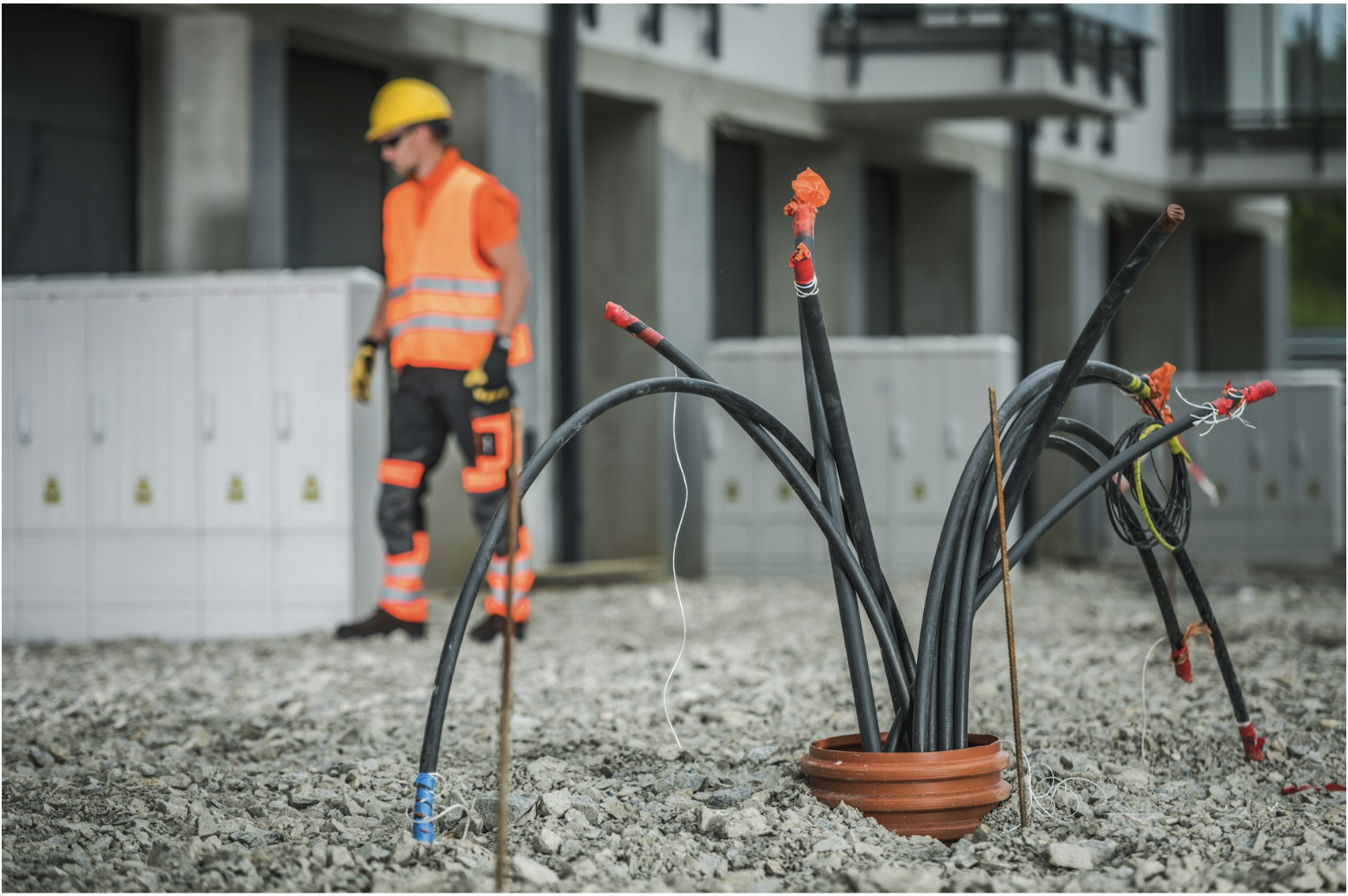
Outdoor and underground Ethernet networks place stress on connection points that standard controlled-space connector choices do not address. When an exterior Cat6 cable or a direct burial Ethernet cable leaves the protected areas of a building, the connector is often the most vulnerable point in the channel. Moisture, temperature change, UV exposure, soil conditions, and physical pressure can all affect how well the network performs over time.
Look at the Ethernet cable to cable connector as more than a small accessory in this setting. It becomes part of
both the signal path and the environmental protection strategy. This explains how connectors support outdoor and
underground network cables, what makes exterior conditions different, and why cable-to-connector compatibility
matters in commercial network planning.
Why Outdoor Ethernet Environments Demand Different Connectors
An indoor connector is usually designed for stable conditions. The surrounding space limits moisture, sunlight, temperature swings, dust, and chemical exposure. Once network cable outside runs along a building exterior, crosses an exposed pathway, or transitions into buried infrastructure, those conditions change quickly.
Outdoor Ethernet cable needs a connector that can resist environmental stress at the point where the cable ends, joins, or transitions. That point matters because even small moisture intrusion can lead to corrosion, signal degradation, or intermittent failure. The cable jacket may be rated for exposure, but the connector must match that environment as well. A strong cable paired with an unsuitable connector can still create a weak point in the network channel.
Understanding the Cable Types in External Network Runs
Before connector selection makes sense, the cable type must be understood. Exterior and underground network runs use different cable constructions, and each one affects what the termination or connection point needs to support.
Exterior Cat6 Cable and Above-Ground Network Runs
Exterior Cat6 cable is typically built with a tougher jacket than cable intended for controlled spaces. A
category 6 outdoor cable may include UV-resistant materials, moisture-resistant construction, and ratings that
support exposure to environmental conditions.
These cables often appear in commercial spaces where connectivity extends between structures, across exterior walls, into exterior-mounted equipment, or through exposed conduit pathways. In these situations, outdoor Ethernet cable Cat6 must meet the same basic data performance expectations as standard Cat6 while also resisting environmental damage.
The connector has to match that reality. If the cable is rated for exterior conditions but the connector housing cannot tolerate UV exposure or moisture, the channel may lose reliability at the connection point.
Direct Burial and Underground Ethernet Cable
Direct burial ethernet cable and ethernet underground cable are built for soil contact, moisture, compression, and underground temperature variation. Their jackets are typically more robust, and some constructions may include flooding compounds, water-blocking materials, or added protection for buried service.
The connector challenge is different in these systems. The cable may be engineered for underground conditions, but the connection point usually occurs at an entry, exit, splice, junction, cabinet, or transition area. Those points can face moisture migration, standing water, condensation, and pressure from surrounding pathways.
A direct burial cable may perform well in soil, but the connector still has to protect the electrical interface where the cable meets another segment or device-facing pathway.
What Makes an Ethernet Cable to Cable Connector Suitable for Exterior Use
An Ethernet cable to cable connector joins two cable segments while maintaining signal continuity. In exterior systems, that simple function becomes more demanding because the connector must also protect the connection against environmental exposure.
IP Ratings and Environmental Sealing
IP ratings describe how well an enclosure resists dust and water intrusion. For many exterior Ethernet connector applications, IP67 is a common reference point because it indicates protection against dust and temporary water immersion under defined test conditions. In practical terms, this rating signals that the connector is designed for more than light splash exposure.
Moisture does not need much access to create problems. Once water reaches metal contacts or the cable interface, corrosion and impedance changes can affect performance. A sealed ethernet cable to cable connector helps reduce that risk by protecting the interface from the surrounding environment.
Material Construction and Corrosion Resistance
Connector housing materials also matter. UV-resistant plastics, corrosion-resistant contacts, sealing gaskets, weatherproof boots, and robust locking mechanisms all contribute to long-term performance. Standard plastic RJ45 connectors may work well in controlled environments, but they are not designed for harsh outdoor conditions.
In exterior networks, the connector must withstand both physical and environmental stress. That includes
sunlight, temperature shifts, dust, moisture, and potential contaminants. A connector built for these conditions
helps preserve the signal path and reduces the risk of degradation at the most exposed point in the channel.
Shielding Considerations
Shielding becomes relevant when outdoor pathways run near electrical infrastructure,
mechanical equipment, power systems, or other sources of interference. Shielded outdoor Ethernet cable Cat6 requires shielded connectivity to maintain the intended protection. If the connector does not match the cable’s shielding design, the channel may lose some of its interference resistance.
This is why connector selection should not be separated from cable construction. Shielding works properly when
the cable and connector support the same performance approach.
Matching Connector Category to Cable Category
Cable category and connector category should align. A Cat6A exterior cable terminated or joined with a lower-rated connector may not deliver the performance expected from the cable itself. The channel performs as a complete system, and the lowest-rated component can limit the entire path.
This principle applies directly to outdoor Ethernet cable Cat6, Category 6 outdoor cable, and higher-performance exterior runs. A connector that does not match the category rating can undermine that investment by reducing channel performance.
This is especially important in commercial environments where exterior connections may support cameras, access control devices, wireless access points, building systems, or inter-building network links.
For more background on category cable families and performance expectations, the category cable resource center provides a useful reference.
How Environment Shapes Connector Requirements
Not all exterior runs create the same connector requirements. A connector used on an exposed wall faces different pressures than one used near buried infrastructure or at a building transition point.
Surface-Mounted and Aerial Runs
Surface-mounted and aerial pathways often bring UV exposure, temperature swings, wind-driven moisture, and
physical movement into the equation. In these settings, connector housings, boots, and seals must withstand
weather-related stress.
Underground and Direct Burial Runs
Underground and direct burial pathways raise concerns about moisture, pressure, and transition points. A direct burial ethernet cable may be designed for soil contact, but the connection point usually appears where the cable enters or exits a pathway. Sealed or gel-filled connector assemblies may be relevant when specifications call for that level of protection.
Building Entry and Transition Points
The transition from exterior to controlled space is one of the most important parts of the channel. Moisture migration, condensation, and temperature differentials can all occur near building entry points. If the connector or junction at that transition lacks adequate environmental protection, the issue can propagate inward and affect the connected network equipment or the interior cabling path.
For broader context on exterior network planning, this companion article on taking Ethernet outside expands on cable considerations for exposed network environments.
Selecting Connectors for External Network Infrastructure
A useful evaluation starts with four questions. First, what cable type is being used? Exterior Cat6 cable, category 6 outdoor cable, direct burial Ethernet cable, and Ethernet underground cable all place different demands on the connector. Second, what environmental exposure will the connection point face? Moisture, UV, soil conditions, and mechanical pressure all affect the answer.
Third, what IP rating or sealing level fits the environment? The connector should match the level of protection expected from the system. Fourth, does the connector match the cable category and shielding specification? Performance depends on the complete channel, not just the cable jacket or conductor design.
The Ethernet cable to cable connector is part of the network channel and part of the durability strategy. When it matches the cable and environment, it supports stronger reliability across the full external pathway.
Ethernet connectors for outdoor and underground cables need to do more than join two cable ends. They have to protect the signal path from moisture, corrosion, UV exposure, soil conditions, and physical stress. Outdoor Ethernet cable, network cable outside pathways, and direct burial Ethernet cable systems all depend on connector choices that align with the surrounding environment.
The key takeaway is straightforward. Cable construction, connector rating, category compatibility, and environmental sealing all work together. When one part falls short, the full channel can lose performance. The contact page offers a direct next step.
