Water-Resistant Wire and Cable in Wet Environments
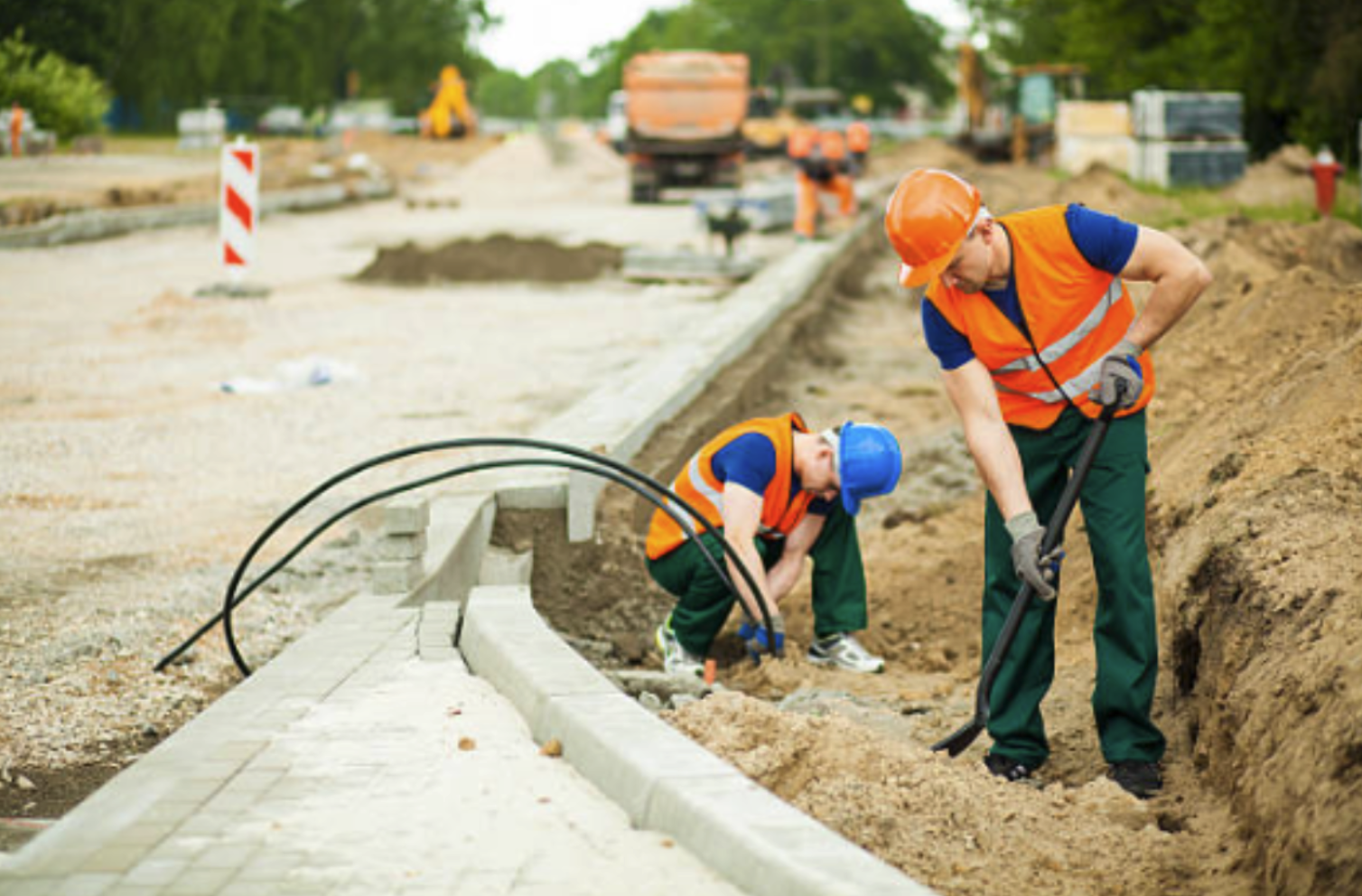
Moisture creates problems that rarely show up all at once. It builds through humidity, condensation, washdowns, rain exposure, and soil contact. In commercial low-voltage systems, that steady exposure can change how a cable behaves long before anyone sees a visible failure. Signal quality can drift, corrosion can start at vulnerable points, and jackets can age faster when they repeatedly get wet and dry out again.
The phrase water resistant wire and cable describes construction choices that manage moisture, not a marketing label. This examines how water-resistant designs perform in wet, harsh, and underground environments.
Why Water Resistance Matters in Commercial Low-Voltage Systems
Low-voltage pathways often run through areas where water is a routine factor, not an exception. Facilities deal with humidity swings, periodic cleaning, equipment near mechanical systems, and subsurface routes. Even small amounts of moisture can create outsized effects when the system relies on stable impedance, low noise, or consistent conductor geometry.
Water resistance matters because moisture can alter the dielectric properties around conductors, increase the risk of corrosion at connection points, and accelerate jacket cracking or swelling. Those impacts also tend to create intermittent faults, which waste time troubleshooting.
What Defines Water-Resistant Wire and Cable?
Manufacturers build water resistant wire and cable to tolerate moisture exposure without losing its intended performance. It is easy to confuse water resistant with waterproof. Waterproof products aim to seal against water entry fully. Water-resistant designs focus on limiting intrusion, slowing migration, and reducing damage when moisture reaches the outer layers.
Water resistance also differs from a basic exposure rating. Many outdoor wire and cable products feature UV protection and a tougher jacket, which helps resist sunlight and abrasion. A more water-resistant build also addresses internal pathways where water can travel along the cable length after a cut, nick, or compromised entry point.
Environmental Conditions That Demand Water-Resistant Performance
Wet environments do not all stress cable the same way. Most commercial sites combine several exposure types, and that combination drives how the cable performs over time.
Humidity and condensation can alter insulation behavior, and condensation can collect on jackets and work toward connection points. Repeated wetting and drying cycles can accelerate jacket aging through expansion and contraction. Standing water can keep a cable wet for long periods. Soil contact provides sustained moisture and chemistry, which may include salts or fertilizers. UV and temperature variation can weaken polymers and create micro-cracks. Physical abrasion and vibration can cut or rub jackets, creating entry points where water can reach the cable core.
The key takeaway is that “wet” often means multiple stresses at once. A cable that handles moisture but not abrasion may still fail early. A cable that handles UV but lacks internal water blocking may still suffer performance drift after a minor defect.
How Water-Resistant Cable Is Engineered to Perform
Layered design choices create water resistance. Think about the jacket first, then the water-blocking method, then the protection of the signal path.
Jackets designed to resist moisture
Outdoor and water-resistant jackets often use compounds that resist swelling, cracking, and water absorption. The right compound also needs to handle abrasion and temperature cycling, since moisture exposure rarely comes alone.
Moisture barriers and water blocking
If water reaches the core, it can migrate along the length of the cable. Water-blocking features slow that migration. Manufacturers commonly use gel-filled cores or dry water-blocking elements that expand when they come into contact with moisture.
Shielding and conductor protection
Shielding does not stop water, but it can help manage interference in electrically noisy environments where moisture can make noise issues more noticeable. A stable shield system can support consistent signal performance in shared pathways.
Performance in Underground and Direct Burial Applications
Underground pathways create a continuous exposure model. The cable is subject to sustained moisture pressure, soil contact, and mechanical stress from the surrounding environment. That is why specifiers often call out direct burial ethernet cable instead of a general exposure-rated option.
Designers typically emphasize internal water blocking, a jacket that resists abrasion and common soil contaminants, and structural stability that helps the cable maintain its geometry under pressure when they specify a direct burial build.
Direct burial Cat6 comes up frequently because Category 6 performance depends on tight pair geometry and consistent dielectric behavior. Moisture intrusion can change impedance and attenuation, increasing errors even if the cable still links up. Water-blocking features and stable insulation help protect the electrical characteristics that Cat6 depends on.
Water Resistance in Outdoor Networking and Data Systems
Commercial networks often extend beyond a single communications room. Cameras, access points, gate controllers, and perimeter devices can rely on outdoor ethernet cable to carry data and sometimes power. In these environments, moisture intrusion can show up as intermittent link drops, higher error rates, or unstable performance during weather swings.
Data transmission relies on consistency. When moisture reaches the cable core, it can alter insulation behavior and disturb pair balance. Water-resistant designs help keep the core stable, which supports more predictable performance across changing conditions.
For a deeper look at how exposure ratings connect to real-world cable behavior, take a look at a previous blog, “Is Your Electrical Wire Suitable for Outdoor Use.”
Water-Resistant Cabling for Security and Access Control Systems
Access control and perimeter security systems often place devices at entry points, gates, and exterior boundaries. Those locations see humidity, condensation, and weather exposure. Weatherproof access control wiring matters because these systems rely on stable communication, not only power delivery.
Moisture can contribute to corrosion at connectors and can raise noise sensitivity in long control or data runs. A water-resistant construction supports continuity and reduces the likelihood of moisture-driven drift. In shared pathways, shielding can also help manage interference from adjacent systems.
Specialized Water-Resistant Cable for Harsh Exposure
Some projects combine moisture with abrasion, chemical exposure, or frequent temperature cycling. In those cases, tougher categories come into play. Water warrior wire and cable, as a category name, usually points to designs built for extreme exposure, often combining rugged jackets with stronger water-blocking approaches.
When evaluating harsh-environment performance, look at how the construction handles moisture intrusion control, jacket durability, UV stability, and resistance to abrasion or cut damage. In certain pathways, armored designs can provide mechanical protection that reduces the risk of jacket damage, though armoring also reduces flexibility.
Evaluating Water-Resistant Cable for Long-Term Commercial Performance
Selection decisions get easier when the evaluation follows a consistent set of questions. How long will the cable be exposed to moisture, and what type of moisture contact is most likely? How sensitive is the signal to dielectric change or noise? What mechanical stress will the pathway introduce? Finally, can the team verify performance through documented specifications rather than assumptions?
For additional background on exposure categories and application contexts, our outdoor resource center is a great source for additional information.
Matching Water Resistance to Environment and Application
Water resistance is not one-size-fits-all. A cable that performs well in humid air may not hold up in saturated soil. A jacket that handles UV may still need internal water blocking to prevent long-distance moisture migration after a minor defect.
In wet, harsh, and underground environments, performance comes from layered construction: moisture-tolerant jackets, water-blocking features, and insulation systems that maintain consistent electrical behavior. When a project specifies direct burial Ethernet cable or direct burial Cat6, those layers protect data performance that depends on stable geometry. When a project relies on outdoor wire and cable for perimeter networking or access control, water-resistant construction supports reliability across changing seasons and exposure conditions.
If a team wants to discuss exposure profiles or cable characteristics at the specification level, they can start with the contact page.
