Mic Line Cable for Crestron and AMX AV Systems
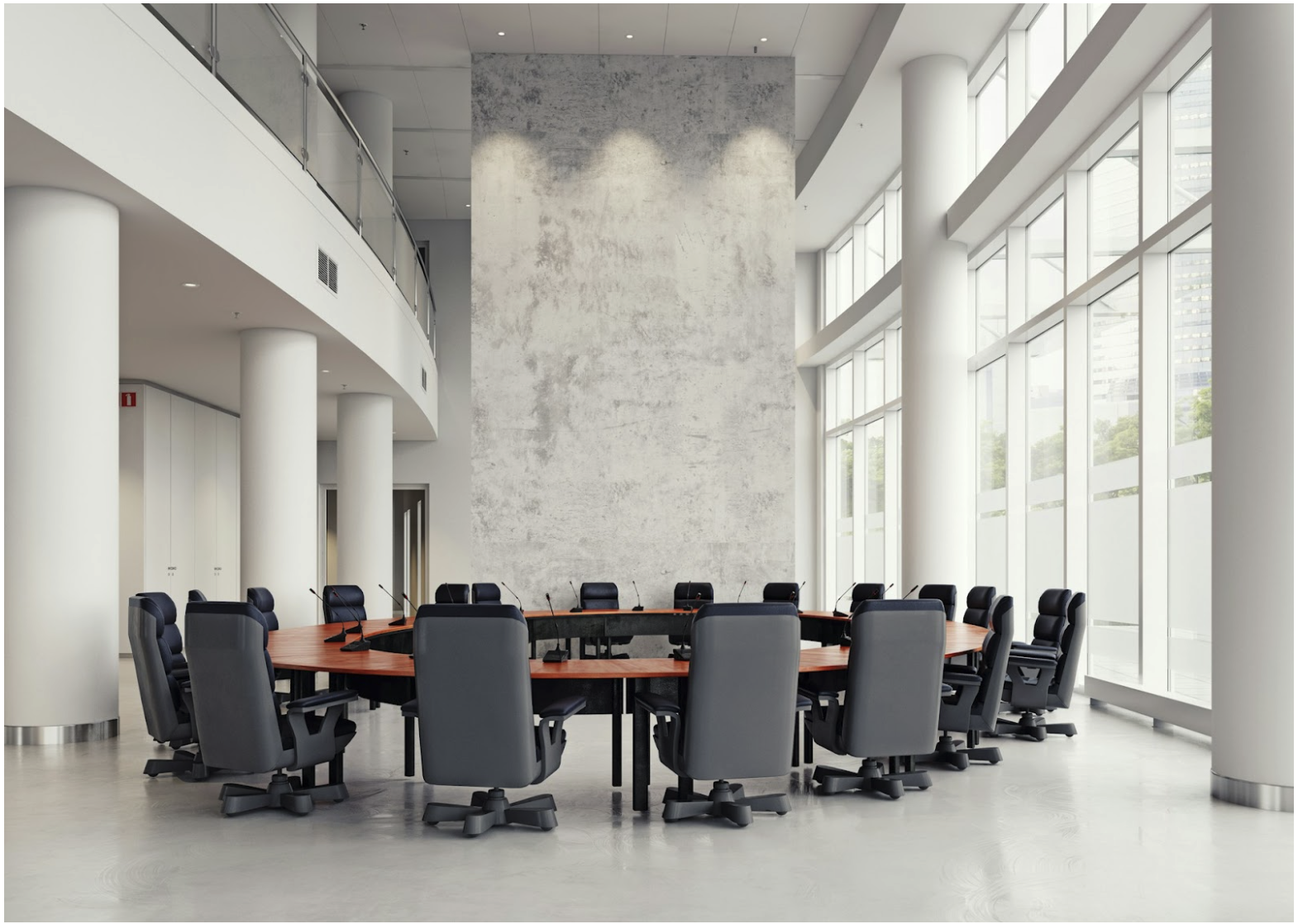
Modern commercial spaces ask a lot from their AV infrastructure. A room can shift from a video call to a panel discussion to a live-streamed event while the same control system manages routing, presets, and monitoring. In that mix, mic line wire or cable still carries some of the most sensitive signals in the building. Low-level microphone signals do not tolerate noise, grounding problems, or inconsistent cable geometry as well as higher-level signals sometimes do. When a control system ties together audio, switching, lighting control, and shade control, a small interference source can become audible.
Let’s talk about how mic line wire or cable behaves in a modern control system and which cable characteristics support clean audio when Crestron, AMX, and other automation platforms share the same environment.
Understanding Mic Line Wire or Cable in Commercial AV Infrastructure
Mic line wire or cable typically refers to a balanced audio cable designed for microphone-level signals. Balanced transmission uses two signal conductors that carry the duplicate audio content with opposite polarity, plus a shield that helps reject external noise. Many professional mic line designs use a twisted pair, because twisting keeps both conductors exposed to the same interference fields. When the receiving device compares the two conductors, common noise can cancel out.
Cable electrical characteristics matter here. Capacitance influences how a cable loads a microphone signal, especially over longer paths. Impedance consistency also matters because it affects signal transfer and system stability across connected devices. Mic-level audio often runs at much lower voltage than line-level audio, so the signal-to-noise ratio depends heavily on construction and shielding quality.
Shielding comes in a few common forms. A foil shield offers high coverage and strong high-frequency noise rejection. A braided shield typically improves durability and better handles flexing in some applications. Some mic cables combine foil and braid for broader performance. The best match depends on the environment and the system’s noise profile, not on any single rule.
Audio Within a Broader Control System Architecture
Audio rarely operates alone in commercial spaces. A control system coordinates DSP configuration, switching, and user control panels while also integrating with video and building systems. In many deployments, Crestron acts as the central brain for scheduling, routing, and room logic. AMX often serves similar roles, and the phrase Axlink AMX systems universal control comes up when teams discuss AMX ecosystems and their control wiring heritage.
Mic line cable commonly connects microphones to DSP inputs, stage boxes, or interface panels. From there, the audio chain may pass through networked distribution and digital endpoints. A control processor can recall gain structures, mute states, or routing presets, but it cannot correct noise that enters the signal path before the DSP. That reality makes the analog portion of the chain, including the mic line wire or cable, a critical foundation.
Signal Isolation and Interference in Mixed Environments
Mixed environments combine analog audio, digital control wiring, and power distribution. That combination raises engineering considerations around noise coupling and grounding, especially when systems include RS485 buses, RS-232 wire and cable runs, and POE-enabled infrastructure.
RS485 control networks often support distributed devices because they can span longer distances and support multi-drop topologies. RS-232 wire and cable still appear in many integrations for device control, diagnostics, and legacy endpoints. POE adds another challenge because it combines power and data in a single cable. When POE switches and power supplies share racks with analog audio equipment, electromagnetic noise can rise.
Shielding helps, but shielding works best when the system uses consistent grounding practices and predictable reference points. Ground loops can appear when multiple devices connect to different ground references through shields and chassis connections. Instead of treating mic line cabling as isolated, think of it as part of a larger electrical ecosystem.
Integration with Lighting Control, Shade Control, and DMX Systems
Control systems are increasingly integrating audio with lighting and shade control, especially in conference centers, educational spaces, and performance venues. Lighting loads, dimmers, and control modules can generate electrical noise that couples into nearby signal wiring. Shade motors and their control electronics can create transient events that appear as clicks or hum when noise enters sensitive audio paths.
DMX adds another layer. DMX networks transmit lighting data rapidly and often sit near the stage audio infrastructure. DMX uses differential signaling, and its timing can introduce a distinct noise source in some environments. A well-designed control system recognizes that these subsystems will coexist, and it treats audio pathways with the same seriousness as video and control networks.
Hybrid AV and Network-Based Systems
Many deployments now blend analog audio with network-based AV distribution. Digital media platforms carry video and control signals over structured cabling, and the term digital media cable is often used when teams discuss the physical layer supporting those systems. Even when audio routes over IP in parts of the building, microphone signals are often analog, then converted to digital at a DSP, encoder, or stage interface.
Category cabling plays a role here as well. Category 6 outdoor cable and similar constructions are used in campus or multi-building deployments where pathways are subject to moisture, UV exposure, or temperature swings. Even if microphones stay within a performance space, the broader AV network may connect multiple buildings and place network equipment in closets that also host audio endpoints.
A hybrid approach works best when each signal type keeps its identity. Mic line wire or cable serves microphone-level audio. Category cabling serves data, control, and some AV transport. Each cable family brings different impedance targets, shielding options, and mechanical properties. Treating them as interchangeable usually creates problems.
For readers building an AV foundation that supports mixed media, the AV Resource Center offers additional background on cable families used across commercial AV systems.
Reliability Expectations in Commercial Spaces
Commercial spaces measure success through consistency. A boardroom needs predictable audio for conferencing and voice lift. An auditorium needs stable performance for speeches, panels, and reinforcement. Education environments often need both, plus recording and streaming. In each case, the control system coordinates user experience, but the cabling supports the physical reality of the signal chain.
Long-term reliability comes from construction details that stand the test of time. Shield durability matters because the shield forms a barrier against interference. Conductor consistency matters because balanced audio depends on matched conductors that behave similarly along the run. Jacket resilience matters because abrasion, pull tension, and environmental conditions can damage cable structure and compromise shielding.
How Mic Line Cabling Fits Crestron and AMX Environments
In Crestron ecosystems, mic line pathways often feed DSPs that the control processor manages through presets, routing, and monitoring. Those DSPs may also tie into unified communications platforms and networked audio distribution. Audio quality at the input still sets the ceiling for system performance.
In AMX environments, the control logic may look different, but the dependency remains the same. When mic audio shares space with control wiring and power conversion, stable shielding and consistent cable geometry reduce the chance that activity on nearby networks bleeds into audio.
Key Selection Thinking Without Turning Into a How-To
It helps to evaluate mic line cabling in the context of the whole system. Consider the noise environment created by switching power supplies, POE network gear, dimming, and motor loads. Consider whether nearby RS485 or RS-232 wire and cable pathways share enclosures with analog audio. Consider whether the shielding type and durability match the environment and handling expectations. These are decision factors rather than step-by-step instructions.
Clean Audio in Automated AV Ecosystems Starts at the Cable
Mic line wire or cable remains essential in automated AV environments, even as more distribution moves to IP. Microphone signals start at a low level, and they carry the content that rooms exist to support: speech, discussion, and performance. When Crestron and AMX control systems coordinate audio with lighting control, shade control, DMX, and networked media, the system relies on strong signal-integrity fundamentals.
Reliable cable construction supports that goal through balanced conductors, appropriate shielding, and stable electrical characteristics. For additional context, our team often references a mic cable blog overview, and the contact page is available for specification questions tied to commercial projects.
