How to Choose the Right Mic Line Wire or Cable for Live Sound, Broadcast, and Installed AV Systems
Why Mic Line Selection Matters in Professional AV Systems
Mic line wire or cable sits at the very beginning of the audio signal chain. Long before audio reaches mixers, processors, or amplifiers, the microphone signal travels through this cable as a low-voltage, highly sensitive signal. That makes mic line cabling a foundational element within any professional AV audio cable ecosystem, not an accessory or afterthought.
In live sound, broadcast, and installed AV environments, audio systems operate alongside lighting, control, video, and networking infrastructure. Each system introduces electrical activity that can interfere with low-level audio if the signal path lacks the right characteristics. Selecting mic line cable requires an understanding of signal behavior, environmental conditions, and how audio integrates with broader AV systems.
Understanding the Role of Mic Line Wire or Cable in Signal Integrity
Mic line wire or cable carries mic-level signals, which operate at much lower voltage than line-level or speaker-level audio. Because these signals have small amplitudes, they are more strongly affected by electromagnetic and radio-frequency interference. Even modest noise introduced early in the signal path can become audible once gain stages amplify the signal.
In professional environments, mic lines often run near AV audio cables supporting playback systems, control cables feeding automation platforms, and power infrastructure serving lighting or video equipment. The cable must reject noise while maintaining consistent impedance and conductor geometry. A well-matched mic line supports clarity, intelligibility, and predictable system behavior across a wide range of applications.
Balanced vs. Unbalanced Audio Paths in Professional Environments
Balanced audio transmission forms the foundation of most professional mic line systems. Balanced paths use paired conductors that carry the signal in opposite polarities, allowing receiving equipment to reject noise equally. This approach significantly improves noise rejection in complex environments.
Unbalanced audio paths appear less frequently in professional mic-level applications because
they lack the same resistance to interference. In broadcast and installed AV systems, balanced mic line configurations dominate due to their stability across longer distances and electrically active spaces. Cable construction supports this performance by maintaining tight conductor pairing and consistent electrical characteristics throughout the entire run.
Shielding Considerations for Mic Line Cable
Shielding plays a critical role in selecting mic line wire or cable. Shields protect conductors from external interference generated by nearby systems. Common shielding approaches include braided, served, and foil shields, each offering different coverage and flexibility.
In professional AV environments, mic line cable often runs alongside coax cables used for video distribution. RG59 cable, for example, is often used to support legacy video or monitoring paths within the same infrastructure. While coaxial cables and mic line cables carry different signals, their proximity highlights why shielding matters. The mic line cable must reject interference from adjacent signal paths rather than rely solely on physical separation.
Jacket Materials and Environmental Considerations
Jacket construction influences durability, flexibility, and code compliance. In commercial facilities, specifications often distinguish between plenum and non-plenum cable based on whether they are installed in air-handling spaces. That distinction affects jacket compounds, smoke generation, and fire performance rather than audio quality directly.
Beyond ratings, jacket flexibility matters in environments where cables move or are repeatedly
handled. Live sound systems often prioritize flexible jackets that tolerate repeated deployment, while installed AV systems value dimensional stability over time. Selecting the appropriate jacket type supports long-term system performance without crossing into procedural guidance.
Mic Line Cable in Live Sound, Broadcast, and Commercial AV Applications
A. Live sound and event environments
Live sound systems demand consistency across changing configurations. Mic line cable must perform reliably as stages reconfigure and systems redeploy. Many live sound setups integrate wireless microphone systems to reduce physical connections on stage. Even in those cases, mic line cable remains critical between receivers and mixing consoles, forming the wired backbone of the audio path.
B. Broadcast and production facilities
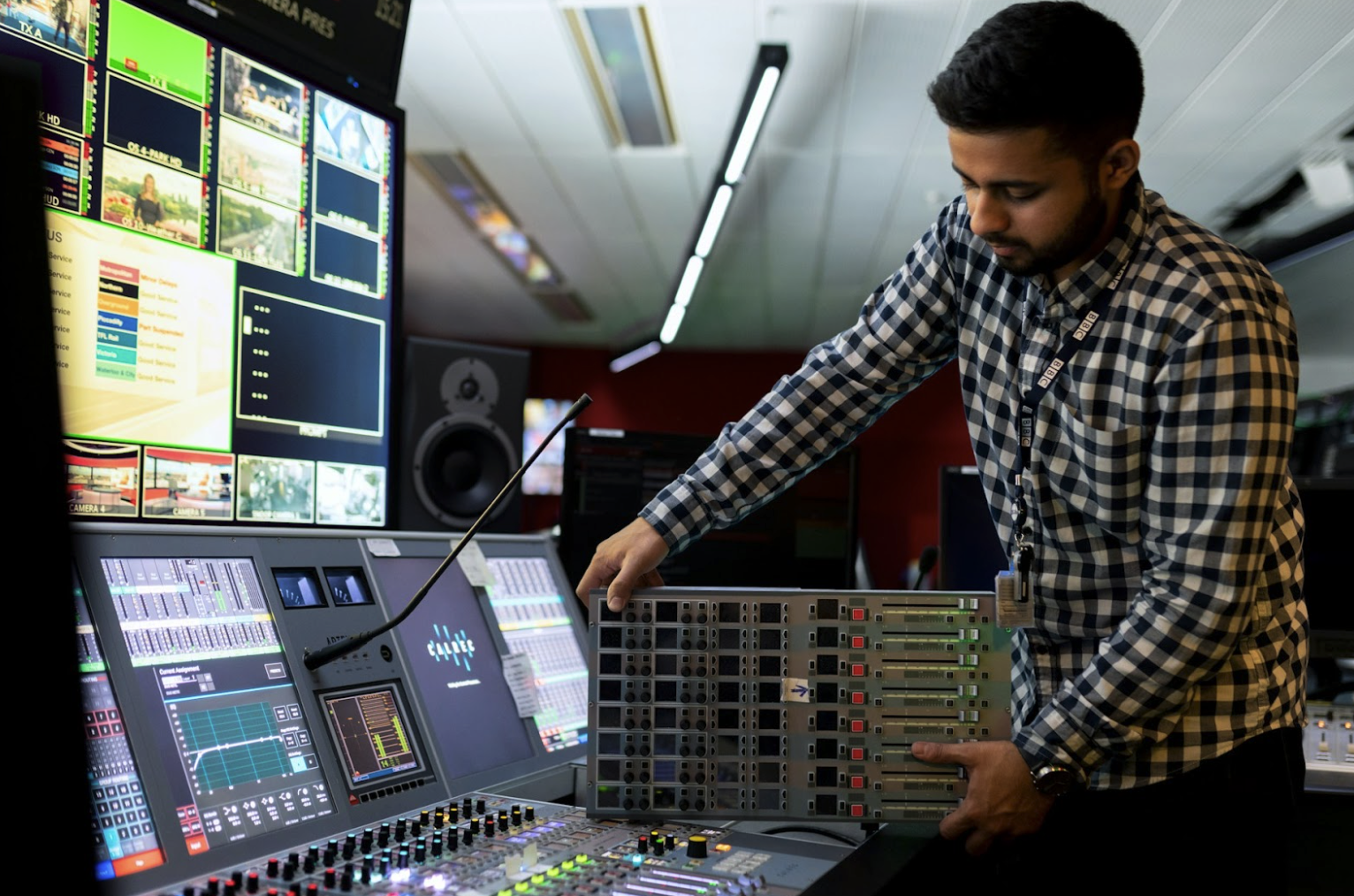
Broadcast environments place high expectations on signal stability and noise control. Mic line cable often runs alongside HD-SDI wire and cable supporting video transport, as well as fiber optic cable linking studios, control rooms, and remote locations. Each cable type serves a distinct signal role, but their coexistence within shared infrastructure reinforces the need for predictable electrical behavior.
C. Installed commercial AV systems
In installed AV systems, mic line cable supports conference rooms, presentation spaces, and performance venues. These systems integrate microphones with control platforms, patch cables, and distributed audio networks. Once installed, access to cabling may remain limited, so long-term consistency becomes a primary consideration.
Mic Line Cabling Within Modern AV and IP-Based Systems
Modern AV systems increasingly combine analog audio with digital transport. Facilities supporting 1080p, 4K, and even 8K video workflows rely on a mix of copper and fiber infrastructure. Mic line wire or cable continues to be the preferred medium for microphone signals, even as audio is converted to digital formats further downstream.
Mic line cable often shares pathways with DMX lighting control, fiber optic cable, and data-driven AV networks. Each signal type brings unique electrical characteristics, reinforcing the importance of selecting cable designed specifically for mic-level audio rather than repurposing other categories.
Differentiating Mic Line Cable from Other AV Cable Types
Mic line cable differs fundamentally from other AV cables used in professional systems. Coax cables, including RG59 cable, focus on impedance control for video signals rather than low-level audio noise rejection. HD-SDI wire and cable supports uncompressed video transport at high data rates. Fiber optic cable carries light-based signals immune to electrical interference.
Despite the growth of digital transport, mic line cable remains essential because microphones output analog signals. Digital conversion occurs later in the signal chain, making the quality of the analog path critical. Control cable and patch cables support routing and system management but do not replace the role of dedicated mic line cable.
Key Selection Factors for Professional Mic Line Wire or Cable
When evaluating mic line wire or cable, several factors shape the decision context:
- Application environment and system scale
- Shielding performance relative to surrounding infrastructure
- Jacket rating and flexibility expectations
- Compatibility with balanced audio systems
- Long-term signal consistency within integrated AV environments
These factors help frame selection.
Selecting Mic Line Wire or Cable with System Performance in Mind
Choosing mic line wire or cable requires a system-level view rather than a single-product mindset. Live sound, broadcast, and installed AV systems all depend on clean, stable microphone signals before any processing occurs. Cable construction, shielding, and jacket characteristics influence how well those signals hold up as they move through complex environments.
For additional context on professional AV cabling categories and how they interact, the AV resource center offers helpful background information to make smart decisions.
Readers interested in deeper discussion around noise performance in microphone cabling can also explore this previously posted blog on the elimination of background noise with low noise mic cables. For any additional project questions or specification discussions, contact us at any time.
By aligning mic line cable selection with overall system goals, audio professionals support clarity, reliability, and consistent performance across the full AV ecosystem.
