How Oil-Resistant Cables Are Tested for Stress, Heat, and Chemical Exposure
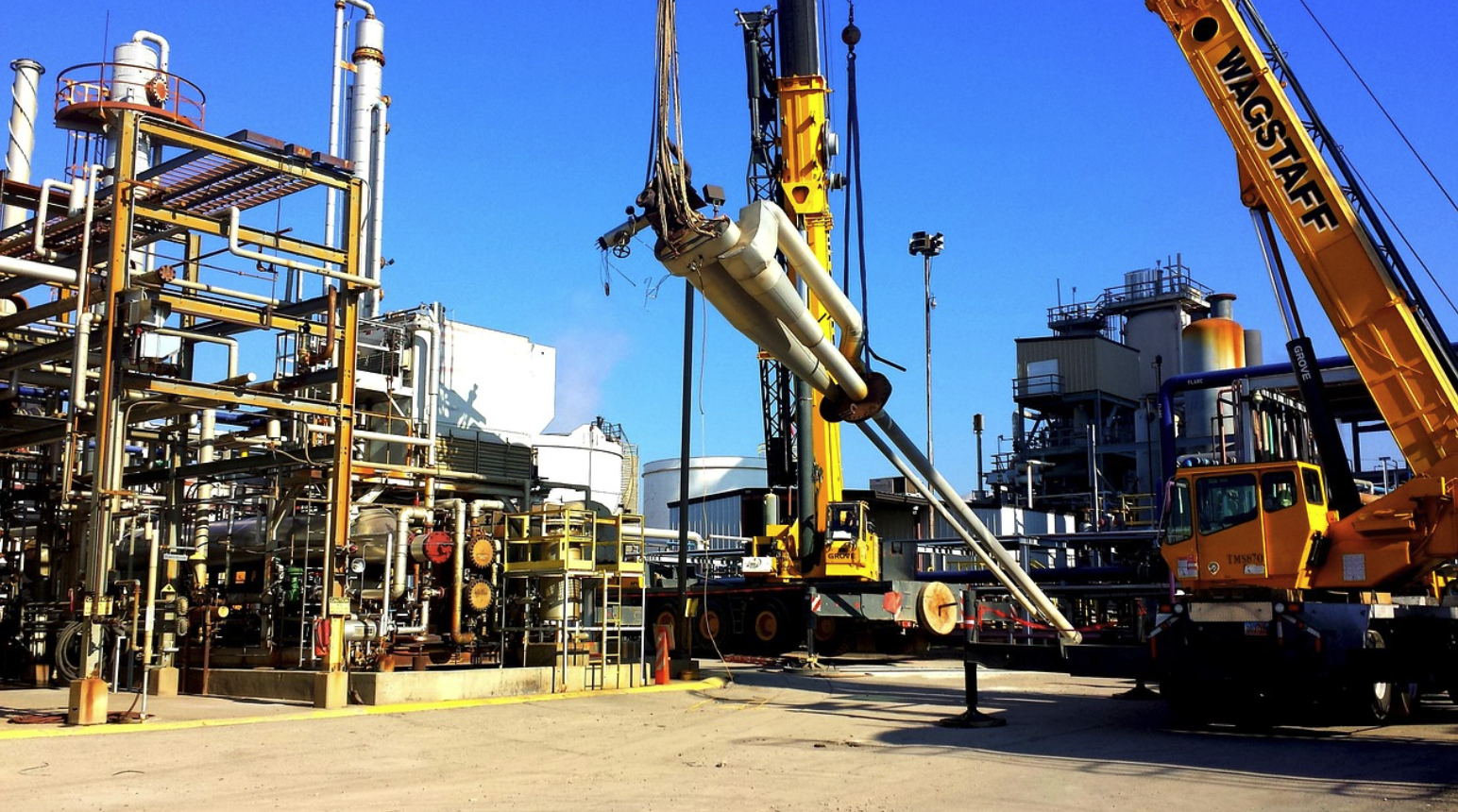
Oil and gas sites, refineries, terminals, fueling infrastructure, and many heavy industrial facilities all share one reality. Cables live in conditions that push past “normal” electrical environments. Oils, fuels, hydraulic fluids, vibration, temperature swings, and abrasive contact can all show up in a single pathway. In that context, oil resistance cannot sit as a vague label. It needs measurement, repeatable benchmarks, and third-party validation.
When talking about the performance of oil resistant wire under stress, it's about what test data proves, not what a catalog headline claims. This guide breaks down how oil resistant cables are tested for quality, why those tests simulate real petroleum conditions, and which frameworks buyers use when they evaluate compliance.
Why Oil-Resistant Cable Performance Must Be Verified
In petroleum and industrial environments, cable failure rarely looks dramatic at first. A jacket can soften, swell, or crack over time. Insulation can lose stability. Conductors can fatigue under vibration. A control circuit can start behaving inconsistently, or a power run can show abnormal performance long before a full outage occurs. That slow decline makes verification critical.
Oil resistance also varies by material, construction, and rating. One cable might withstand intermittent contact with petroleum fluids, while another withstands longer exposure, heat aging, and mechanical stress. Testing is what separates those categories. The industry relies on mechanical, thermal, chemical, and flame validation to support procurement decisions, code compliance, and safety expectations for harsh-environment applications.
What Defines an Oil-Resistant Cable in Industrial Use
An oil-resistant cable uses jacket and insulation materials designed to tolerate petroleum-based fluids and industrial chemicals without unacceptable degradation. Buyers often see “oil resistant” in different forms, such as oil-resistant jacket compounds, oil-resistant insulation, or broader ratings connected to specific standards.
A key distinction matters here. General-purpose cable might meet electrical requirements in a clean pathway, but it may not qualify as a rated cable for petroleum exposure. Oil and gas buyers frequently want a rating tied to recognized testing, not just a description of the materials.
Typical risk factors that drive the need for oil-resistant construction include:
- Jacket degradation that leads to cracking, swelling, or softening
- Loss of flexibility that increases strain on the cable during movement
- Chemical migration that affects dielectric behavior or insulation stability
- Insulation breakdown that changes electrical performance over time
Those risks appear across many harsh-environment applications, from industrial automation to fueling infrastructure and process control systems.
Mechanical Stress Testing: Measuring Performance Under Load
Mechanical stress testing evaluates how a cable behaves when it faces movement, tension, and external pressure. In the field, vibration and repeated flex can slowly fatigue conductors or loosen the structure of a cable. Test programs aim to model those forces in a controlled way.
Common mechanical evaluations include tensile and elongation testing, which measure the force a cable withstands and the amount it stretches before deforming. These tests help buyers understand how jackets and internal structures respond under load. Crush resistance testing also matters, especially where equipment, pathway pressure, or contact with other systems can compress the cable over time.
Many industrial pathways introduce flexing and vibration, so labs also evaluate endurance to repeated movements. They focus on whether the cable maintains integrity after cycles of motion. That data ties directly back to the performance of oil resistant wire under stress because the environment rarely delivers chemical exposure alone. It often stacks mechanical fatigue on top of oil contact.
This is a core piece of how oil resistant cables are tested for quality. A cable can resist oil chemically yet still fail early if its construction cannot handle continuous motion.
Thermal and Flame Resistance Testing in Oil and Gas Conditions
Thermal stress shows up in multiple ways. Equipment heat, process heat, and ambient swings can all drive the cable through repeated expansion and contraction. Labs address this through thermal cycling tests and heat-aging evaluations. Thermal cycling exposes a cable to alternating temperature extremes and checks for changes in jacket integrity, insulation stability, and overall construction performance. Heat aging focuses on how materials behave after extended exposure to elevated temperatures.
In oil and gas environments, heat risk often intersects with fire risk. That is where flame performance becomes a major differentiator. Buyers may specify oil & gas fire resistant cables in zones where survivability matters or where the pathway sits near ignition risk. Flame tests do not only measure whether a jacket burns. They examine how the cable behaves under flame exposure, how it limits flame spread, and how it meets specific listing requirements.
When teams reference safety standards for cables in oil and gas exploration, they usually want proof that the cable meets recognized thermal and flame benchmarks, not simply that it uses a tougher polymer. Those standards help purchasing teams and compliance officers compare options with consistent criteria.
Chemical Immersion Testing: Simulating Petroleum Exposure
Chemical immersion testing sits at the heart of oil-resistance validation. A lab exposes cable samples to petroleum-based fluids, fuels, and other industrial chemicals for defined time periods. After exposure, the lab evaluates changes in the jacket and insulation. Swelling, cracking, softening, and loss of tensile properties all signal material instability.
Immersion testing often measures weight change, dimensional change, and mechanical property shifts after chemical exposure. The goal is not to prove that the cable remains untouched. The goal is to verify that it stays within acceptable limits for the intended application. Chemical exposure can also interact with heat aging, so labs may combine thermal and chemical stress to reflect real operating conditions.
This work directly supports how oil-resistant cables are tested for quality, because petroleum environments rarely provide clean, short contact. Many pathways see mist, vapor, residue, or repeated splashes that build up over time. Chemical immersion testing helps buyers understand what the cable resists and how long it maintains its performance characteristics in harsh-environment applications.
Standards and Certifications Buyers Look For
Testing matters most when it ties to recognized frameworks. Certifications and listings help buyers move past subjective claims and toward measurable compliance. When teams talk about standards and certifications for oil resistant cables, they usually look at three big anchors: UL, NEC alignment, and IEC or international benchmarks.
UL standards and third-party validation
UL listings and UL test programs provide third-party evaluation for many cable categories. Buyers often look for UL marks because they signal independent verification. In procurement conversations, that matters because a UL-listed cable typically comes with traceable documentation and defined test criteria. UL programs can also tie oil resistance to specific jacket and insulation performance requirements under standardized exposure conditions.
NEC alignment and code-driven ratings
The NEC influences how teams view acceptable cable ratings in industrial and petroleum-related environments. Instead of treating oil resistance as a marketing adjective, buyers often want a rating that aligns with code expectations for the pathway or system type. This is where the phrase rated cable becomes practical. A rating can indicate that the cable meets defined performance thresholds under recognized testing.
Documentation and Specification Review
Beyond listings and code alignment, buyers often focus on how easily a cable’s performance can be documented during specification review. In industrial and petroleum environments, documentation supports plan approval, inspection processes, and long-term compliance tracking. Clear labeling, traceable test data, and defined performance thresholds reduce ambiguity during audits or system evaluations.
When a cable carries recognized certifications and defined ratings, it gives compliance teams a straightforward way to verify performance claims. That matters for safety standards for cables in oil and gas exploration because project documentation frequently requires measurable proof tied to established testing frameworks. In these environments, validation is not optional. It is part of how risk is managed across the lifecycle of the system.
Material Construction Considerations: The Role of FEP in Harsh Environments
Oil resistance starts with material science. Some applications call for fluoropolymer materials because they handle chemical exposure and temperature stress well. That is where FEP cables come into the conversation.
FEP is a fluoropolymer that can offer strong resistance to many chemicals and can perform in higher temperature conditions compared to many conventional jacket compounds. Buyers may see FEP specified in chemical-heavy industrial zones, high-temperature petroleum applications, or cable systems that also prioritize flame-retardant performance. These materials can help stabilize where oils, solvents, or process chemicals would otherwise degrade standard compounds faster.
Material selection does not replace testing. Material choice sets the baseline, and testing validates that the full construction performs as intended in harsh-environment applications.
Why Testing Standards Matter for Industrial Cable Procurement
Procurement teams and engineers use test documentation to reduce risk. A cable spec affects uptime, inspection readiness, and long-term reliability. Testing data gives decision-makers a way to compare options based on measurable performance, rather than relying on assumptions.
When a cable passes mechanical, thermal, chemical, and flame evaluations under recognized frameworks, it helps teams align reliability with compliance expectations. It also supports consistent selection across multiple sites or system designs. In short, validated testing confirms the performance of oil resistant wire under stress and clarifies whether the cable fits the exposure profile of the project.
For readers who want a broader view of our petroleum-focused cable category and related material, the Petroleum Resource Center acts as a reference library.
Verified Performance Is the Foundation of Oil-Resistant Cable Reliability
Oil-resistant cables earn their reputation through what they withstand in testing. Mechanical stress tests show how the cable holds up under load, vibration, and compression. Thermal and flame evaluations support fire risk planning and temperature stability expectations tied to oil and gas infrastructure. Chemical immersion testing validates material resistance to petroleum exposure over time. Certifications then translate those results into procurement-ready documentation.
If you want a practical example of how petroleum environments influence reliability decisions, this discussion of UST-focused cable reliability adds useful context. If you have any questions about our Petroleum cables, visit our contact page.
