How Control Cable Supports Modern AV Automation Performance
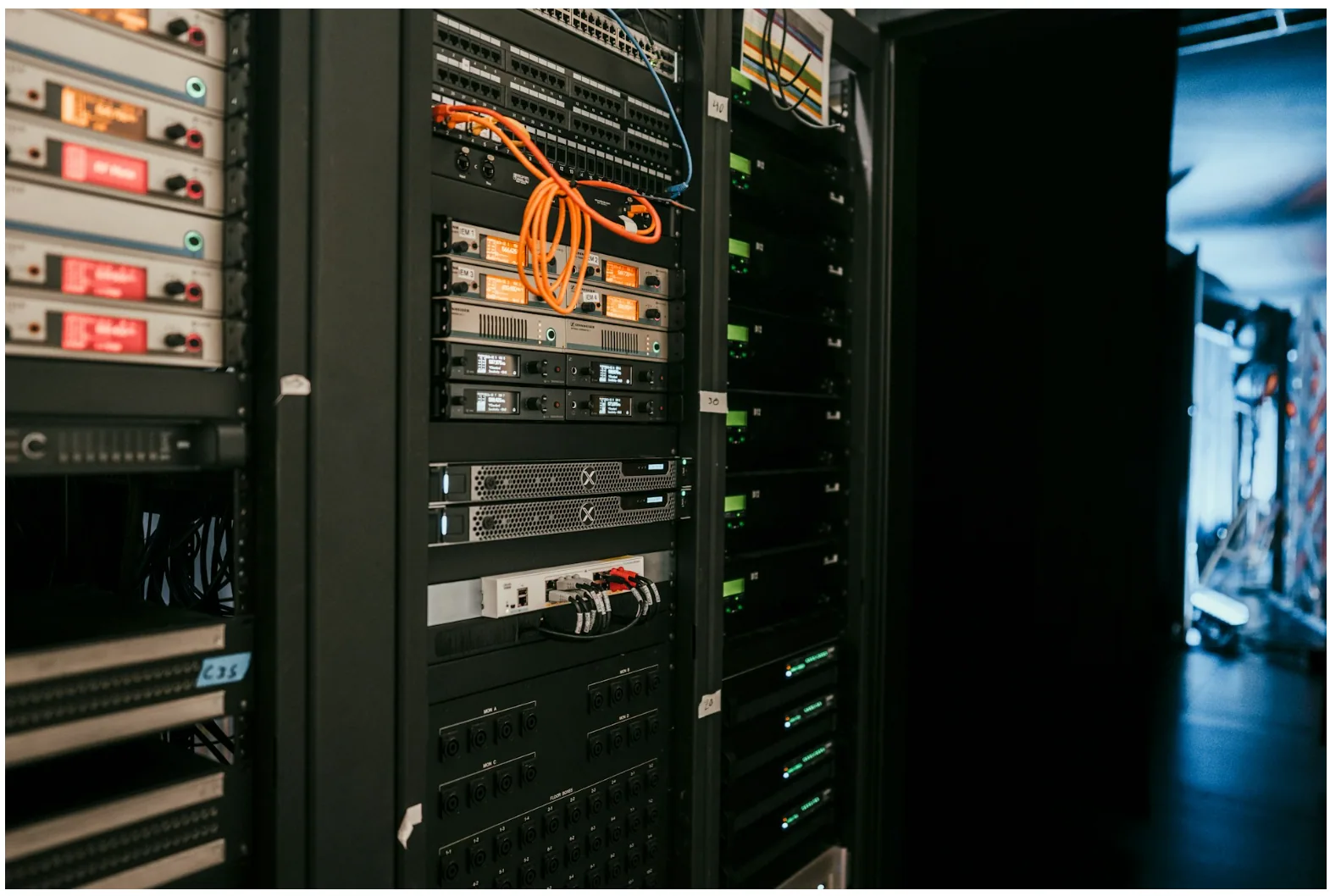
Modern commercial AV systems operate across multiple communication layers. Audio, video, and automation
platforms no longer function as isolated components. They depend on coordinated interaction between processors,
displays, amplifiers, and control interfaces. Within that structure, Control Cable plays a foundational role. It
supports the communication pathways that allow systems to respond, adapt, and operate as a unified environment.
Look at Pro AV infrastructure by separating signal transport from control communication. Audio and video signals
travel along dedicated pathways, while control systems rely on a separate layer that manages commands,
synchronization, and automation. This is where control cable becomes essential, especially in environments that use
platforms like Crestron and AMX to coordinate system behavior.
Understanding Control Systems in Modern Pro AV Environments
A modern control system acts as the central intelligence of a Pro AV environment. It manages how devices interact, how commands are executed, and how the system adapts its behavior across different scenarios. These systems connect audio processors, video distribution equipment, lighting interfaces, and user controls into a single operational framework.
Control platforms such as Crestron and AMX provide centralized interfaces that enable operators to manage multiple technologies simultaneously. Instead of interacting with each device independently, users rely on a control processor to coordinate actions across the system. This coordination requires consistent communication between all connected components.
Control cable supports that communication. It carries commands from the control processor to devices and returns status information back to the system. Without this communication layer, even the most advanced AV hardware cannot function as an integrated solution.
In larger environments, this infrastructure becomes more complex. Conference centers, lecture halls, and broadcast facilities rely on multiple control pathways working simultaneously. The AV Resource Center provides a broader view of how these systems connect within commercial environments, reinforcing the importance of coordinated infrastructure.
The Role of Control Cable in Audio and Video Coordination
Audio and video systems depend on precise timing and coordination. A delay in command execution can disrupt audio
playback, affect video switching, or interfere with automation sequences. A control cable provides the communication
required to maintain synchronization across devices.
When a command gets sent from a control interface, it travels through the control cable to reach its destination. This command may adjust audio levels, switch video sources, or activate a sequence of actions across multiple devices. The reliability of that communication path directly influences system responsiveness.
Think of control cable as the pathway that allows audio and video systems to act in unison. While pro AV cable solutions handle signal transport, control cable handles instruction and coordination. These two layers work together to create a seamless user experience.
In environments where multiple systems operate simultaneously, coordination becomes even more critical. Audio processors, video matrices, and display systems must respond to commands without delay. Control cable supports this level of interaction by providing a stable communication link between components.
Supporting Automation Across Connected AV Ecosystems
Automation defines how modern AV systems operate. Instead of manual adjustments, systems respond to programmed commands that trigger specific actions. These actions may include adjusting lighting levels, switching video inputs, or activating audio presets based on user input or scheduled events.
Control systems like Crestron and AMX rely on communication pathways to execute these automated functions. Control cable carries the instructions that drive these actions, connecting processors to devices throughout the system. Without this communication layer, automation cannot function effectively.
In a typical AV environment, automation coordinates multiple technologies at once. A single command may trigger audio playback, adjust video output, and control lighting conditions simultaneously. This level of integration requires consistent communication between all system components.
Control cable is the backbone of this process. It enables devices to receive commands and respond predictably. Automation depends on that predictability, especially in environments where timing and coordination matter.
Digital media systems also benefit from this integration. As content moves across different platforms, control systems manage how that content is displayed and distributed. Control cables support the communication needed to coordinate these processes, enabling digital media to function within a larger AV ecosystem.
Why Reliable Signal Coordination Matters in Commercial AV
Reliability is central to commercial AV environments. Systems must operate consistently across different scenarios, from scheduled presentations to live events. Signal coordination supports this reliability by maintaining communication between system components.
Audio clarity depends on coordinated control of processors, amplifiers, and speakers. Video performance relies on synchronized switching and distribution. Automation responsiveness requires the immediate execution of commands. Each of these functions depends on communication pathways that operate without interruption.
Control cable contributes to this coordination by providing a dedicated channel for command transmission. It
allows systems to maintain consistent performance even as complexity increases. In large-scale environments, this
consistency becomes essential for maintaining operational efficiency.
Signal coordination is a defining factor in system performance. Without reliable communication, even advanced AV systems struggle to deliver consistent results. Control cables support this coordination by linking devices to function as a unified system.
Control Cable Within the Broader Pro AV Infrastructure
A control cable is one part of a larger AV infrastructure. Different cable types support different functions within the system. Speaker cables handle audio output, patch cables connect equipment within racks, and AV audio cable solutions carry signal pathways between devices.
Each of these cable types serves a specific purpose, but they rely on coordination to function effectively. Control cable provides that coordination by connecting the control system to the rest of the infrastructure. It enables communication between devices that would otherwise operate independently.
In a typical setup, speaker cables deliver sound to output devices, while patch cables manage connections within distribution systems. Control cable interacts with both by managing how those systems respond to commands. This interaction creates a cohesive environment where all components work together.
The relationship between these cable types highlights the importance of compatibility within AV systems. Each component must align with the overall infrastructure to support consistent performance. For additional context on how these systems interact, the article on Pro AV cables that keep your signal strong explores how signal pathways contribute to system performance.
Supporting Long-Term Performance in AV Control Systems
Long-term performance in AV systems depends on the infrastructure that maintains consistency over time. Systems evolve as new technologies emerge, but the underlying communication pathways must continue to support coordinated operation.
Control cable contributes to this stability by maintaining reliable communication between system components. As systems expand or adapt, control pathways allow new devices to integrate into the existing environment. This adaptability supports ongoing system functionality without disrupting established workflows.
Approach long-term performance as a combination of reliability and flexibility. Control cable supports both by providing a communication layer that remains consistent even as system requirements change. This consistency allows AV environments to operate effectively across different applications.
Digital media systems, automation platforms, and AV devices all depend on this level of reliability. Control cable supports their interaction by maintaining a stable connection between components. This connection allows systems to function as intended, regardless of complexity.
The Continued Importance of Control Communication in Modern AV
Control communication remains essential in modern AV systems. As technologies evolve, the need for coordinated device interaction continues to grow. Control cable supports this interaction by providing the pathways required for communication.
Platforms like Crestron and AMX demonstrate how integrated control systems rely on consistent communication to manage complex environments. These systems connect multiple technologies into a unified framework, and control cable supports the communication that makes this integration possible.
Look at control cable as a constant within an evolving landscape. While signal transport methods may change, the need for reliable communication between devices remains the same. Control cables address the need for a stable, predictable connection between system components.
Modern AV systems benefit from this stability. They rely on coordinated communication to manage audio, video, and
automation functions across different environments. Control cable plays a central role in supporting that
coordination.
Control cables support the communication pathways that enable modern AV systems to operate as integrated environments. It connects control systems to audio, video, and automation platforms, enabling coordinated performance across multiple technologies.
Audio systems, video distribution, and digital media all depend on consistent communication to function effectively. Control cable provides that communication, allowing systems to respond to commands and maintain synchronization across devices.
As AV environments continue to evolve, the importance of reliable infrastructure remains constant. Control cable contributes to that reliability by supporting the communication layer that keeps systems connected. For those exploring AV infrastructure in more detail, additional information and guidance are available through the contact page, offering a path to deeper insights on coordinated system performance.
