CI vs. Non-CI Fire Cable: Key Differences To Understand
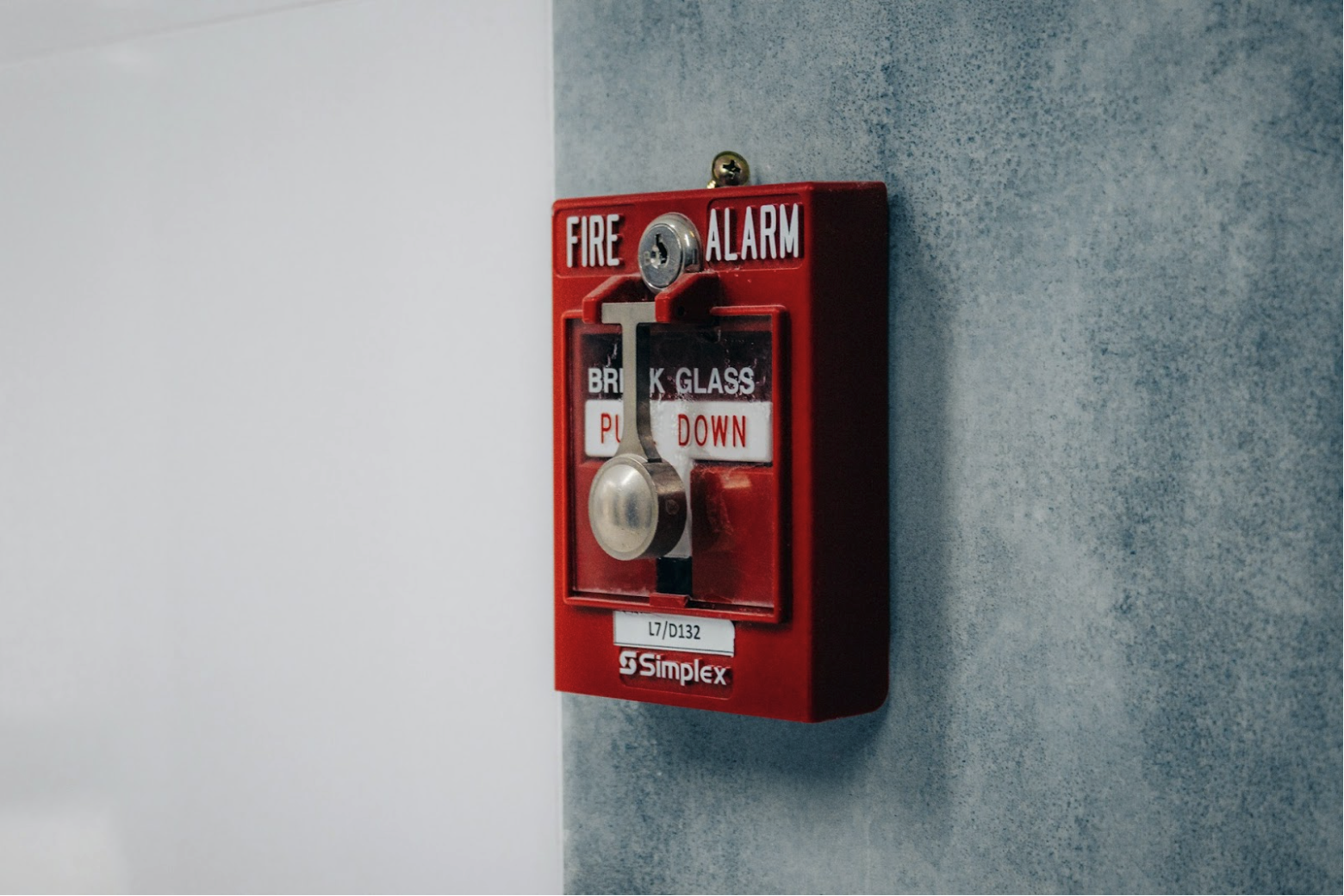
Fire alarm and life safety systems depend on more than devices and control equipment. The cable pathways connecting initiating devices, notification appliances, and emergency communication circuits can influence how a system performs under stress. That reality drives a common question in commercial projects: what separates Circuit Integrity cable from non-CI fire alarm cabling, and why does the difference matter?
The term CI fire cable often shows up alongside survivability requirements, public safety communication needs, and specifications that reference “2-hour” performance. Meanwhile, many projects utilize familiar FPL ratings, such as FPLP rated cable or FPLR cable, to meet flame and smoke requirements associated with building spaces. Both categories belong to the broader world of fire rated electrical cable, but they serve different purposes.
This guide explains the practical, performance-based difference between CI and non-CI options. The goal is clarity, especially for teams navigating submittals, engineered drawings, and compliance reviews.
Why CI vs. Non-CI Fire Cable Matters
CI and non-CI cable choices can affect two different outcomes:
- How the cable behaves as a material during a fire
- Whether the circuit continues operating during a fire
Non-CI cabling typically focuses on limiting flame spread and smoke generation. CI cable prioritizes circuit survivability for a specified period under direct fire exposure. Both matter, but they answer different questions.
Confusion happens because many people use “fire-rated” as a catch-all term. In practice, “fire rated electrical cable” can refer to a cable’s fire-resistance as a material, its survivability as a circuit, or both. Separating those concepts early helps prevent mismatches between the system's design intent and the cable used on critical pathways.
What Is CI Fire Cable?
CI fire cable refers to Circuit Integrity cable built to maintain circuit function during fire exposure for a specified time. Many specifications require 2-hour fire-resistant cable performance, meaning the cable continues to carry the required signal or power for two hours under standardized test conditions.
A common survivability benchmark is UL 2196, which evaluates cable systems under a fire test plus mechanical impacts and water spray. In plain terms, UL 2196 focuses on whether a circuit stays operational under harsh fire-event conditions, not just whether a jacket resists flame spread.
CI cable construction can vary, but it typically utilizes insulation and jacketing systems designed to withstand high heat for an extended period without compromising electrical continuity. That continuity matters in systems where the circuit must remain available during an emergency event.
CI discussions often arise in fire-life safety pathways related to emergency communications and evacuation functions. That does not mean every fire alarm circuit requires CI. It does mean some systems treat survivability as a performance requirement rather than a nice-to-have.
For additional background on survivability concepts and why certain projects specify CI cable, click this link for a blog that covers the topic in more depth.
What Is Non-CI Fire Cable?
Non-CI fire cable describes fire alarm cabling that meets listing and rating requirements for flame spread and smoke characteristics, but does not claim circuit survivability during direct fire exposure.
Two common examples include:
- FPLP rated cable, intended for plenum spaces with stricter smoke and flame performance requirements
- FPLR cable, intended for riser pathways between floors
These cable categories address how the cable behaves when exposed to flame in building environments. They help reduce the risk that cabling contributes to rapid flame propagation or heavy smoke generation in air-handling pathways.
Non-CI cable can still qualify as fire resistant cable in the sense that it resists flame spread and meets applicable listing requirements. The key point is that non-CI cable does not focus on maintaining a circuit for a set duration while surrounded by fire.
CI vs. Non-CI Fire Cable: Core Performance Differences
A clear comparison starts with the question each cable category answers.
A. Fire Exposure Performance: Survivability vs Flame Resistance
- CI cable prioritizes circuit survivability during fire exposure.
- Non-CI cable prioritizes flame spread and smoke performance appropriate to the space.
CI fire cable aims to maintain operational continuity. Non-CI options focus on material behavior during a fire, which still matters for overall building safety.
B. Functional Continuity During Emergency Conditions
CI cable supports circuits that must remain operational during a fire event for a specified period. Non-CI cable does not promise that behavior. The circuit may fail when heat damages insulation or conductors.
That difference matters for circuits tied to emergency responder communications, evacuation signaling, or other pathways that a system design treats as critical under fire conditions.
C. Compliance Considerations and Project Review
CI versus non-CI selection often connects to how project documents define “survivability” and how stakeholders interpret that requirement. Project teams may look at engineered intent, code frameworks, and AHJ expectations. Cable selection then follows the documented system objective.
Cable requirements always depend on project design and local interpretations.
D. Construction Differences That Influence Performance
CI cable designs often utilize specialized insulation systems and fire-resistant layers designed to protect conductors for longer periods under heat. Non-CI designs often focus on jacket compounds that limit flame spread and smoke.
Both approaches represent purposeful engineering, just aimed at different outcomes.
Conductor and Shielding Considerations in Fire Systems Cable
Beyond CI classification, the performance of fire systems cabling depends on conductor and shielding choices.
Solid Copper Conductors
Solid copper conductor fire systems cable remains common in commercial life safety pathways because solid copper supports stable electrical performance and consistent resistance characteristics. Many designs utilize solid copper, where circuits run through fixed pathways, prioritizing signal consistency.
Shielding and Electrical Noise
In some environments, electrical noise can interfere with low-voltage signaling. An aluminum shield fire systems cable can help reduce the impact of electromagnetic interference on sensitive circuits. Shielding does not convert a non-CI cable into a CI cable, but it can support clearer signal transmission in areas with high interference.
Shielding choices matter most when system designs include long runs, dense electrical infrastructure, or sensitive signaling conditions.
When CI Fire Cable Typically Applies
CI fire cable often appears in specifications when pathway survivability becomes a stated requirement. Some system designs treat certain circuits as mission-critical during a fire event. In those designs, survivability focuses on the pathway remaining functional long enough to support emergency operations.
Common examples include:
- Emergency communication circuits
- Evacuation signaling pathways
- Firefighter communication support pathways in certain designs
- Other life safety circuits where the design calls for continued operation under fire exposure
Again, CI requirements do not flow from convenience. They flow from system intent, documentation language, and the risk profile associated with circuit failure during an emergency.
When Non-CI Fire Cables Are Often Permitted
Many fire alarm circuits operate under an assumption that the system will activate early and support evacuation and response before conditions compromise cable pathways. In these cases, project documents may allow non-CI cabling that satisfies listing and space-related requirements.
Non-CI cabling often fits well when:
- The design does not call for survivability in the pathway
- The cable route must meet plenum or riser material performance requirements
- The system performance goal centers on normal operation plus early alarm activation
In those scenarios, FPLP rated cable and FPLR cable can satisfy the fire performance needs tied to building spaces.
Key Factors to Evaluate When Comparing CI and Non-CI Options
1. Required survivability duration
If documents specify two-hour circuit continuity, CI cable tends to align with that intent. That language often ties to 2 hour fire resistive cable requirements.
2. Pathway exposure risk
Some pathways face higher exposure risk due to their location, routing constraints, or role in emergency response.
3. Testing and documentation language
CI cable references survivability testing such as UL 2196. Non-CI cable emphasizes listing and rating language tied to flame spread and smoke characteristics.
4. Electrical performance needs
Conductor type and shielding can impact signaling reliability. A solid copper conductor fire systems cable supports stable circuit performance. An aluminum shield fire systems cable can reduce noise impacts on sensitive circuits.
5. Alignment with system performance goals
Some systems prioritize survivability for specific pathways and accept non-CI for others. Clarity around system intent helps prevent over-specifying or under-specifying.
Common Misconceptions About CI and Fire-Resistant Cables
Misconception 1: “Fire resistant cable” always means CI
The phrase fire resistant cable often describes flame behavior. CI describes circuit survivability. The terms overlap in conversation but do not mean the same thing.
Misconception 2: FPL ratings imply survivability
FPLP and FPLR relate to flame spread and smoke requirements for specific spaces, not guaranteed circuit operation under fire exposure.
Misconception 3: All fire alarm systems require CI
Many systems do not require survivability across every circuit. Some projects specify CI only where system intent demands it.
Misconception 4: Shielding replaces survivability
Shielding supports signal integrity. Survivability requires fire-resistive design and testing performance.
Clarifying CI vs. Non-CI Fire Cable Selection
CI and non-CI fire cables solve different problems within commercial life safety systems. CI fire cable supports circuit survivability during fire exposure and often aligns with UL 2196 testing and 2 hour fire resistive cable expectations. Non-CI options such as FPLP rated cable and FPLR cable support flame and smoke performance requirements tied to building spaces.
Understanding the difference helps align fire rated electrical cable selection with system intent, performance requirements, and project documentation language.
For broader educational coverage across fire-life safety cabling topics, the Fire Resource Center serves as a helpful reference.
For general technical questions about specifications, documentation language, or cable selection considerations, contact us for a direct path to start that conversation.
