Belden 89418 Equal: WCW FEP-18-04-OAS Cable
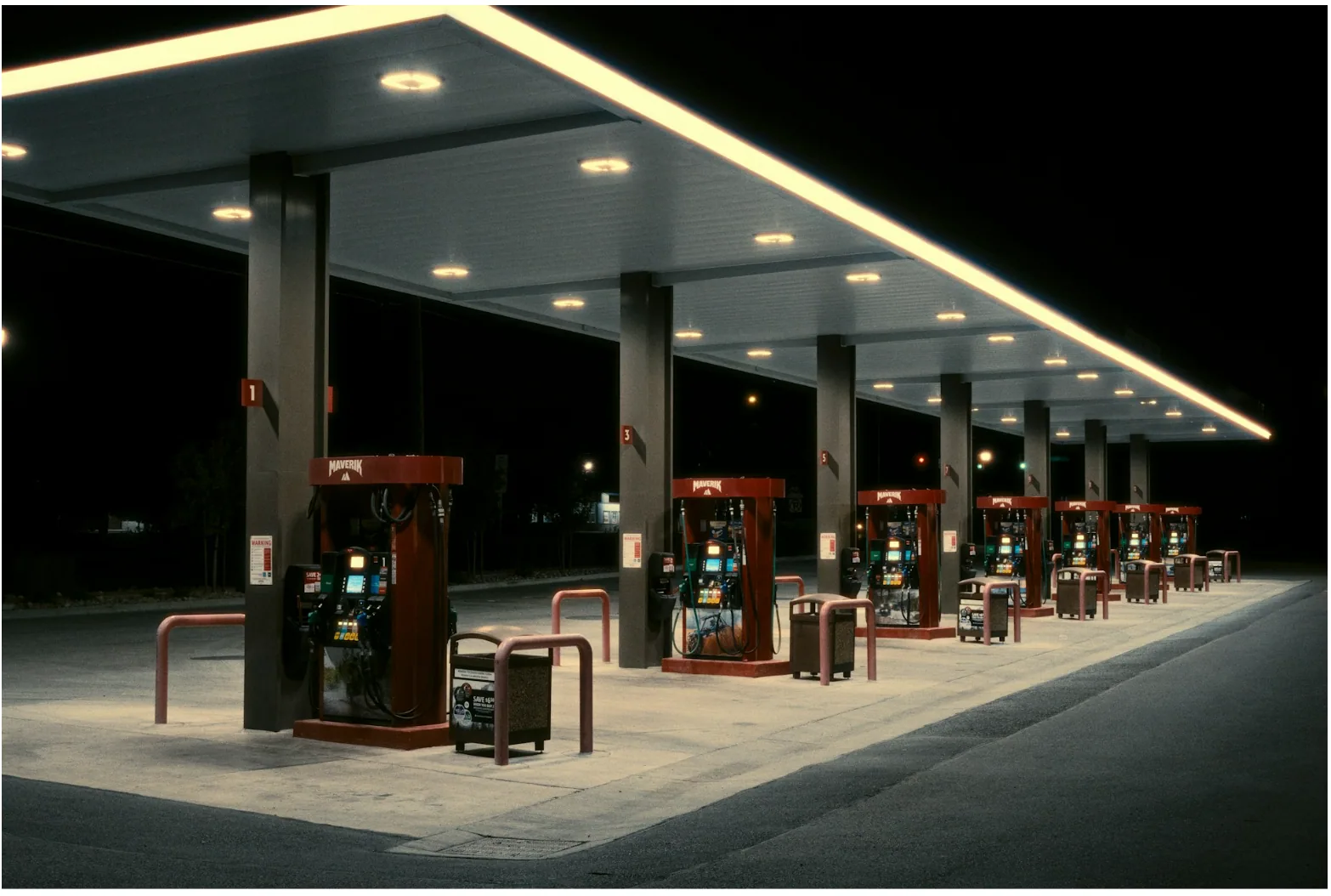
Petroleum facility engineers, fuel system contractors, and procurement teams often evaluate cable by part number because specification alignment drives every decision. A Belden 89418 Equal must match the conductor size, conductor count, shielding, voltage rating, insulation type, and jacket construction before it is considered. FEP-18-04-OAS meets that requirement as an 18 AWG, 4-conductor, shielded cable built with stranded tinned copper, Aluminum/Mylar shielding, a drain wire, and a 300V rating. Full product details are available on the FEP-18-04-OAS product page, but understanding how the construction performs in petroleum environments provides the real value behind the specification.
How FEP-18-04-OAS Matches the Belden 89418 Specification
A Belden 89418 Equal begins with the electrical and structural match. FEP-18-04-OAS uses 18 AWG conductors constructed from 19-strand tinned copper. That stranded construction supports flexibility and conductivity in environments where cable pathways may experience movement or vibration.
The cable includes four conductors with a Black, Red, White, and Green color code. This configuration aligns with multi-circuit requirements in petroleum control and communication systems. The lay length measures approximately 3 inches left hand lay, with four twists per foot, supporting consistent conductor geometry across the cable.
Shielding is equally important in this comparison. FEP-18-04-OAS uses 100 percent Aluminum/Mylar tape with foil-out construction. A 20 AWG 19 by 32 strand tinned copper drain wire supports the shield, helping maintain continuity along the cable length. This configuration matches the shielding approach used in comparable petroleum cable designs and supports stable signal performance.
The cable carries a 300V voltage rating, placing it within the expected operating range for low-voltage control and communication circuits. For procurement teams reviewing a Belden 89418 Equal, these details confirm that the conductor structure, shielding system, and voltage class meet specification requirements.
Where the FEP-18-04-OAS Construction Goes Further
Beyond the core equivalency, the construction of FEP-18-04-OAS introduces material and rating characteristics that are relevant to petroleum environments. The cable uses FEP insulation and an overall FEP jacket, both with precise wall thicknesses. The insulation wall measures approximately 0.007 inches, while the jacket wall measures approximately 0.014 inches.
FEP, or Fluorinated Ethylene Propylene, supports performance across the chemical, thermal, and environmental conditions common in petroleum applications. The cable has a temperature rating of -80°C to 200°C, allowing it to operate across a wide range of conditions, including seasonal variation, equipment heat, and confined spaces.
The cable also carries a CMP plenum rating with C(UL)us 200°C and FT-6 flame classification. CMP classification indicates suitability for air-handling spaces, which can appear in commercial petroleum facilities where cable routes pass through shared infrastructure zones. A rated cable that meets petroleum resistance and plenum requirements simplifies specification decisions when multiple conditions apply to a single project.
Why FEP Construction Matters in Gas-and-Oil-Resistant Cable Applications
Gas- and oil-resistant cables must perform in environments where exposure to hydrocarbons, solvents, and vapors is routine. Petroleum cable performance depends on how well the insulation and jacket materials maintain their structure when exposed to these conditions over time.
FEP offers resistance to gasoline, diesel, ethanol blends, and maintenance solvents. The gas/vapor-tight FEP jacket in FEP-18-04-OAS resists swelling and degradation that can affect other materials. This stability helps preserve the cable’s geometry, which supports both mechanical integrity and electrical performance.
The jacket marking confirms oil, sun, and gas resistance and suitability for wet locations. Each of these attributes reflects a real condition found in petroleum environments. Oil resistance helps protect against exposure to fuel and lubricants. Sunlight resistance supports areas with UV exposure. Gas resistance addresses vapor exposure. Wet location suitability accounts for moisture and condensation.
An oil-resistant cable does more than survive exposure. It maintains consistent electrical behavior over time. That matters because shielding effectiveness, capacitance, and resistance all depend on stable construction. In harsh environment applications, material performance and signal stability remain closely linked.
4-Conductor Circuit Applications in Petroleum Environments
FEP-18-04-OAS supports petroleum cable applications that require a 4-conductor, shielded configuration. The additional conductor compared with 3-conductor designs allows for more flexible circuit arrangements within a single cable.
Fuel Dispenser I/O
Fuel dispenser I/O systems often require multiple signal paths within a compact cable assembly. A 4-conductor layout allows separate circuits to operate within the same cable, reducing complexity while maintaining organization. The black, red, white, and green conductors provide clear identification for each circuit.
Fuel dispenser environments can include exposure to vapor, temperature variation, and electrically active equipment. The combination of FEP insulation, a gas/vapor-tight jacket, and full shielding supports performance in these conditions. The cable’s nominal overall diameter of approximately 0.179 inches also reflects a compact construction suitable for dense infrastructure pathways.
CRIND System Wiring in Gas Pumps
CRIND, or Card Reader in Dispenser, systems depend on reliable signal transmission for payment and communication
functions. These circuits operate in close proximity to motors, power systems, and other sources of electrical
noise.
The Aluminum/Mylar shield in FEP-18-04-OAS provides 100 percent coverage, helping protect signal pathways from
interference. The tinned-copper drain wire supports the shield, maintaining continuity along the cable. This
combination helps preserve signal clarity in CRIND system wiring in gas pumps.
For a broader look at how payment system upgrades affect cabling requirements, this article on why EMV migration requires specialized petroleum-rated cables provides additional context.
Petroleum Control Systems
Petroleum control systems rely on consistent communication between sensors, control panels, and monitoring
equipment. These systems often operate in environments where chemical exposure, temperature variation, and
electrical activity intersect.
FEP-18-04-OAS supports these applications through its material construction and electrical characteristics. The cable has a nominal capacitance of 30 pF per foot, which contributes to predictable signal behavior. The DC resistance measures approximately 6.4 ohms per thousand feet, supporting stable current flow across the circuit.
Additional Listings and Construction Details
FEP-18-04-OAS includes a range of specification details that support documentation and submittal requirements. The cable is listed as suitable for indoor, direct burial, and wet location applications. It carries oil, gas, sunlight, and abrasion resistance markings, reflecting its intended use in demanding environments.
The flame rating includes NFPA 262 and FT6, aligning with plenum-rated performance expectations. The velocity of propagation is approximately 69 percent, and the cable weight is approximately 38.3 pounds per thousand feet. These values contribute to system-level planning and signal performance evaluation.
The cable is manufactured in the USA and uses materials that comply with RoHS standards. These details may
support procurement requirements when documentation, sourcing, and regulatory alignment are involved in project
approval.
Sourcing FEP-18-04-OAS for Petroleum Cable Specifications
FEP-18-04-OAS functions as a Belden 89418 Equal by matching the essential construction points while providing FEP insulation and a gas/vapor-tight FEP jacket. The cable combines 18 AWG, 4-conductor design, full shielding, a 300V rating, and a wide temperature range with resistance to oil, gas, sunlight, and moisture.
For a broader overview of petroleum cable options and application considerations, the Petroleum Resource Center provides additional information. For specification support or procurement inquiries, the contact page offers a direct path to further discussion.
FEP-18-04-OAS aligns with the Belden 89418 Equal conversation by matching conductor size, conductor count, shielding, and voltage rating while supporting petroleum environments through FEP insulation and jacket construction. The cable’s chemical resistance, temperature range, and plenum rating contribute to its role in fuel dispenser I/O, CRIND system wiring in gas pumps, and petroleum control systems.
This cable is a specification-driven solution for environments where gas-&-oil-resistant cables must maintain performance under chemical exposure, temperature variation, and electrical interference. The final selection should come down to documented construction, environmental resistance, and alignment with project requirements.
