Understanding Low-Voltage Cable Durability Standards
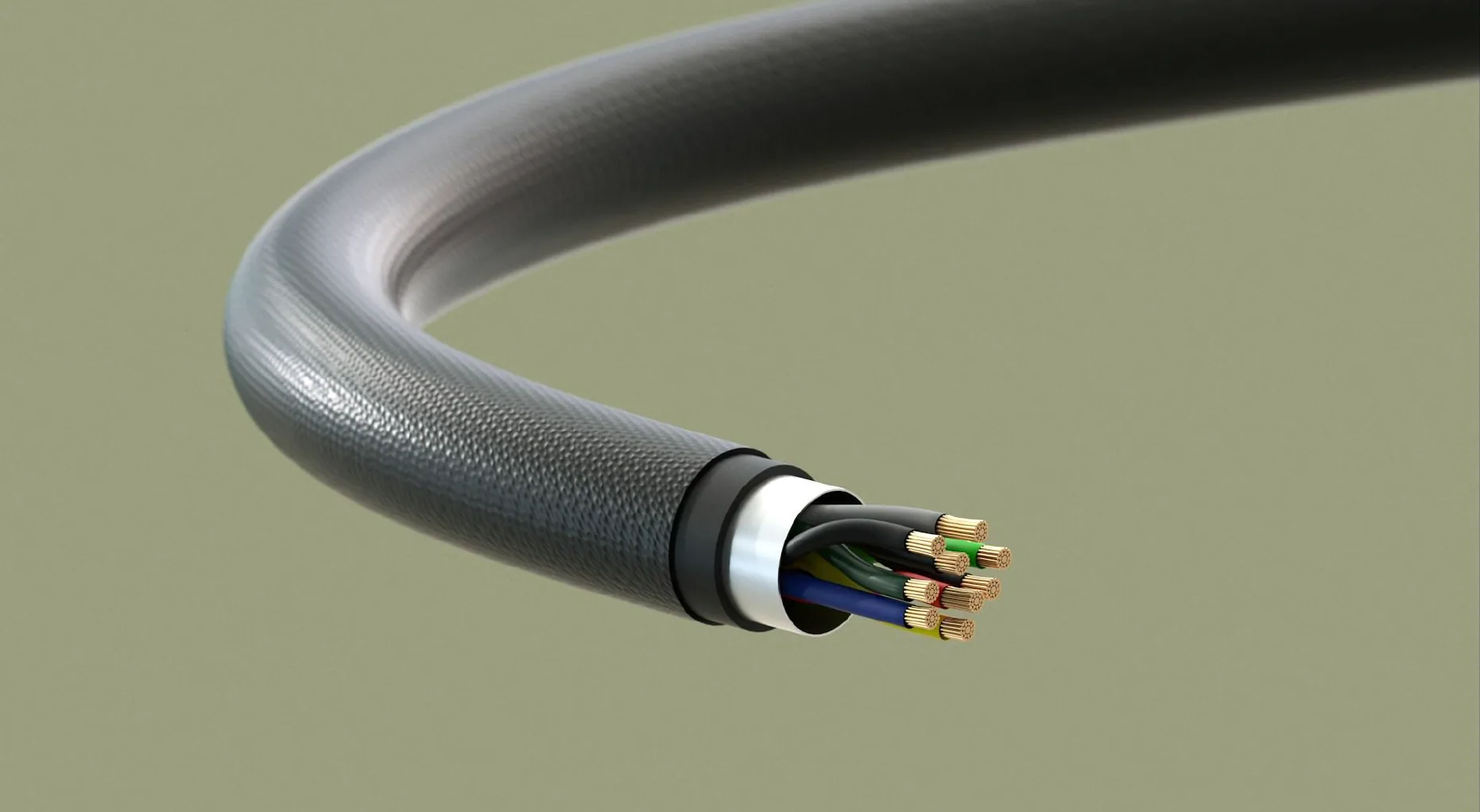
When evaluating cabling for industrial and petroleum environments, electrical performance only tells part of the story. In these settings, cable durability often determines whether a system delivers years of reliable operation or fails prematurely. Low-voltage wire and cable solutions routinely face exposure to chemicals, temperature fluctuations, vibration, mechanical stress, and electrically noisy equipment. A cable that meets basic electrical requirements may still fall short under real-world operating conditions. Understanding what makes a cable durable, along with the standards used to measure performance, helps engineers, compliance specialists, and procurement teams make informed decisions that support reliability, safety, and long-term system performance.
What Cable Durability Actually Means in Industrial Environments
A single specification or material does not define cable durability. Instead, it results from multiple construction elements working together to withstand the demands of industrial operation.
One of the most important considerations is conductor construction. The choice between stranded cables and solid wire directly affects how a cable performs under physical stress. Stranded conductors consist of multiple smaller wires twisted together. This construction provides flexibility and allows the cable to tolerate movement, vibration, and complex routing paths. Solid wire uses a single conductor, creating a more rigid structure that performs well in fixed installations with minimal movement.
Insulation materials also play a major role in cable durability. Standard PVC insulation performs well in many general-purpose applications, but more demanding environments often require materials with greater resistance to heat, chemicals, and petroleum products. Fluoropolymer materials such as FEP offer exceptional resistance to fuels, solvents, and elevated temperatures, making them a common choice in petroleum processing and chemical facilities. Other materials, including THHN and TFFN constructions, provide varying levels of thermal and environmental protection depending on application requirements.
The cable jacket serves as the first line of defense against environmental exposure. Jacket formulations determine how well a cable resists abrasion, ultraviolet light, oils, solvents, and physical wear. In petroleum environments, jacket degradation frequently becomes the primary failure point when a cable lacks the appropriate construction for the application. Even when conductors and insulation remain intact, a compromised jacket can expose the cable to conditions that shorten its service life.
Durability ultimately depends on how these construction elements work together to support the environment in which the cable operates.
The Environments That Test Low-Voltage Cable Solutions Most
Before selecting cabling, it is important to define the environment where it will operate. Some of the most demanding applications place continuous stress on cable materials, making durability a critical specification rather than an optional feature.
Petroleum exposure represents one of the most challenging conditions for low-voltage wire and cable solutions. Fuels, lubricants, hydrocarbons, solvents, and chemical vapors can gradually degrade standard insulation and jacket materials. Resistant cables designed specifically for these conditions provide improved protection against chemical attack and material breakdown.
Temperature extremes create another major challenge. High-temperature process areas can accelerate insulation aging and reduce material performance over time. At the opposite end of the spectrum, low-temperature environments can make certain materials brittle and more susceptible to cracking. Cable construction must account for both operating temperatures and potential temperature fluctuations throughout the facility.
Electromagnetic interference (EMI) and radio frequency interference (RFI) also affect cable performance. Industrial facilities often contain motors, transformers, variable frequency drives, and power distribution equipment that generate electrical noise. Shielded cable constructions help maintain signal integrity and support reliable communications in these environments.
Ultraviolet exposure is another concern in facilities where cabling is exposed to prolonged sunlight. Without proper UV-resistant jacket formulations, materials can become brittle, crack, and lose their protective properties over time.
Mechanical stress remains a constant factor across many industrial applications. Tight conduit pathways, equipment vibration, repeated movement, and physical contact with machinery can all affect cable performance. Selecting construction designed for these conditions helps reduce the risk of damage and downtime.
Many of the same environmental considerations apply across broader communications applications as well. Readers interested in additional examples of cable selection considerations can explore this overview of low-voltage institutional cables for AV needs, which highlights how application requirements often influence cable construction decisions.
Standards and Ratings That Govern Industrial-Grade Cable Performance
Understanding cable durability also requires familiarity with the standards and ratings used throughout the industry. These benchmarks provide a framework for evaluating performance, safety, and compliance.
UL listings are among the most widely recognized indicators of cable performance. Underwriters Laboratories develops testing requirements that establish minimum construction and performance criteria for various cable types.
Several UL standards frequently appear in industrial environments:
UL 444 applies to communications cables.
UL 13 covers power-limited circuit cables.
UL 83 addresses thermoplastic-insulated wires and cables.
These standards verify that cable constructions meet specific requirements related to electrical performance, flame resistance, and material quality.
The National Electrical Code (NEC) also plays a significant role in the selection of low-voltage cables. NEC Article 725 governs Class 2 and Class 3 power-limited circuits commonly found in industrial control, automation, and monitoring systems. NEC Article 800 addresses communications circuits and associated cabling infrastructure. Compliance with these requirements supports consistency across commercial and industrial projects.
Plenum ratings remain another important consideration. In facilities with air-handling spaces, plenum-rated construction helps limit flame spread and smoke generation. This becomes particularly important in petroleum environments where safety considerations often extend beyond electrical performance alone.
Voltage ratings and conductor sizing also influence compliance decisions. Many low-voltage cable constructions carry ratings of either 300 volts or 600 volts, depending on the intended application. American Wire Gauge (AWG) sizing affects current-carrying capability, voltage drop characteristics, and overall suitability for specific circuits.
For procurement teams and compliance specialists researching the top safety standards for cables in oil and gas exploration and refining, these ratings and code requirements form the foundation of informed cable selection. Understanding what the standards represent provides valuable context when comparing products and evaluating performance claims.
Stranded vs. Solid Wire: Matching Construction to Application
The decision between stranded cables and solid wire remains one of the most common specification considerations in industrial environments. While both conductor types serve important roles, each offers distinct advantages depending on application requirements.
Industrial-grade stranded cables use multiple individual conductors twisted together to create a flexible cable structure. This flexibility makes them particularly valuable in applications that involve complex routing paths, conduit pulls through irregular pathways, equipment vibration, or periodic movement. Many control, instrumentation, and automation systems rely on stranded conductors because they tolerate physical stress better than rigid conductors.
Stranded construction also supports installations where cable handling and routing present practical challenges. The added flexibility helps reduce strain during cable placement and allows the cable to adapt more easily to changing pathway conditions.
Solid wire, by comparison, uses a single conductor for each circuit. This design provides stable electrical characteristics and consistent terminations in fixed installations. Because the conductor remains rigid, solid wire performs best in applications where the cable remains stationary after installation.
Many structured networking systems utilize solid wire for permanent horizontal cable runs. In industrial facilities, solid conductors frequently appear in data networking infrastructure supporting operational technology, communications systems, and facility management networks.
Both conductor types appear throughout petroleum and industrial environments. Industrial-grade stranded cables often support shielded control and instrumentation circuits where flexibility, vibration resistance, and signal reliability matter most. Solid wire is frequently used in networking and communications applications where the cable remains static throughout its service life.
The correct choice depends on several factors:
Whether the cable will move after installation
The amount of vibration present
Routing complexity
Signal requirements
Environmental exposure
Rather than viewing one construction as universally superior, it is more useful to evaluate how each design aligns with the application's specific demands.
Selecting the Right Cable for Long-Term Performance
Durability, environmental conditions, and compliance standards all influence cable performance in industrial and petroleum applications. Understanding the operating environment comes first. Evaluating the construction features that support durability comes next. Confirming that the cable meets the applicable ratings and standards completes the process.
When these factors align, low-voltage wire and cable solutions can deliver reliable performance even in demanding conditions, including chemicals, temperature extremes, vibration, and electrical noise.
For additional information about cabling used in petroleum and energy-related applications, visit the Petroleum Resource Center. Those seeking project-specific guidance can also connect through the contact page to learn more about available cable solutions and application considerations.
