Underground Storage Tank Cable: Oil Resistant Performance
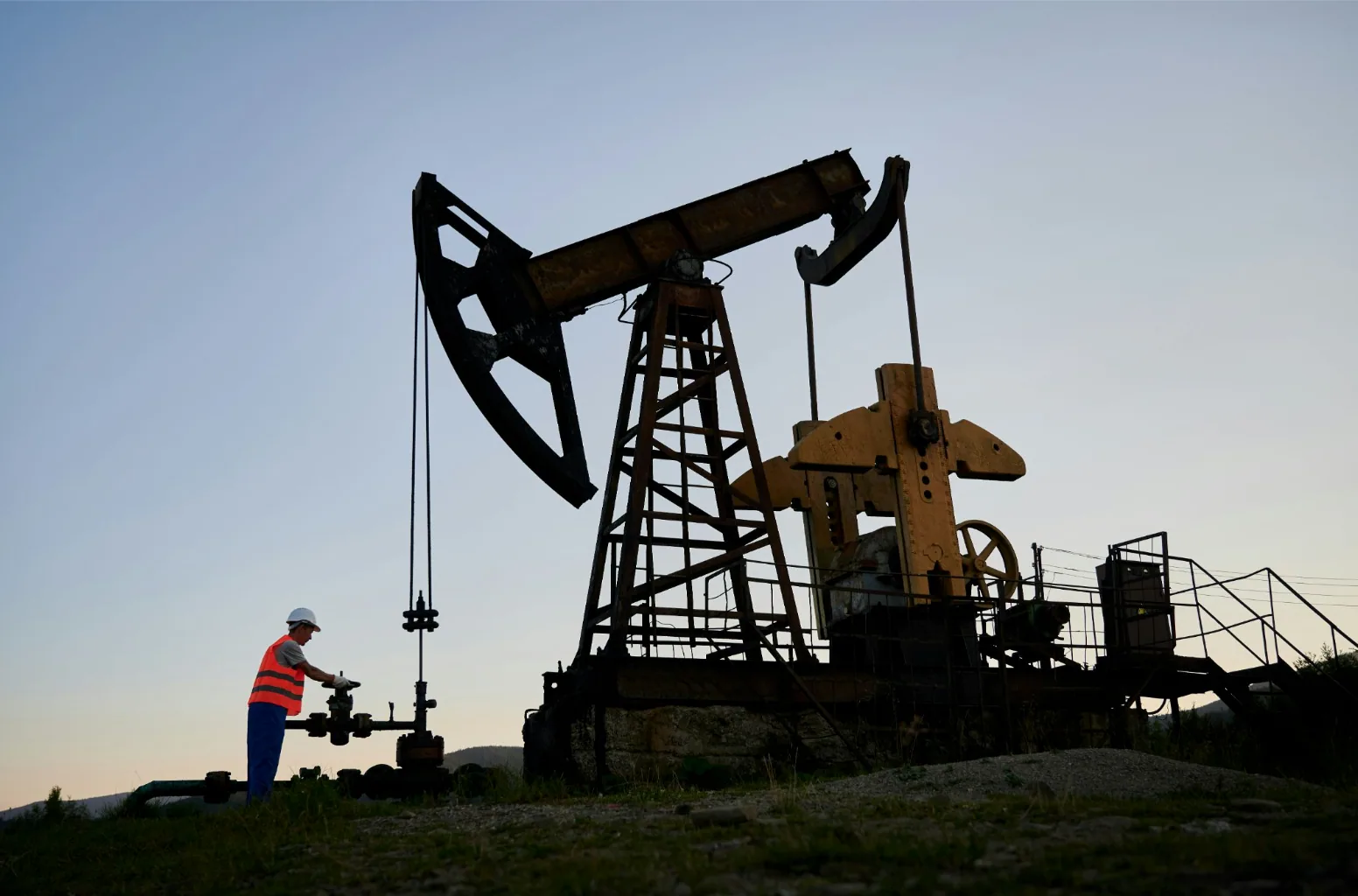
Underground storage tank wire and cable plays a critical role in petroleum and fuel infrastructure, connecting monitoring systems, leak detection equipment, and dispensing controls buried beneath fuel storage sites. These systems operate in some of the most demanding conditions a cable will ever face, and the wire connecting them has to perform reliably for years without direct access for repair. Understanding how underground storage tank wire and cable is built, and what separates dependable oil-resistant cable from cable that fails prematurely, is essential for anyone specifying materials for petroleum environments.
What Makes Petroleum Environments Harsh Environment Applications
Petroleum storage sites present a combination of stresses that few other applications match. Underground burial exposes cable to constant moisture and shifting soil conditions. Proximity to fuel systems means regular contact with petroleum products, solvents, and vapors that can degrade unprotected materials over time. Temperature swings between seasons add mechanical stress as cable jackets expand and contract, and the fact that these cables are typically inaccessible once installed means there is little margin for material that underperforms.
These are true harsh environment applications, not because any single factor is extreme, but because multiple stresses compound over a long service life. Cable that performs adequately in a controlled indoor setting often fails quickly in this kind of combined exposure, which is why petroleum infrastructure calls for materials engineered specifically for the conditions rather than general-purpose wire.
What Oil-Resistant Cable and Oil-Resistant Wire Actually Means
"Oil-resistant cable" and "oil-resistant wire" are terms that describe a specific engineering property: the jacket and insulation materials are formulated to resist degradation from sustained contact with petroleum products. Not all cable marketed as durable meets this standard. True oil-resistant construction depends on the jacket compound itself, since standard PVC and similar materials can soften, swell, or crack when exposed to oils and solvents over time.
The distinction matters most in continuous exposure conditions. A cable that tolerates occasional, brief contact with oil is not the same as one engineered for constant proximity to fuel systems over the life of an underground installation. For petroleum applications, the relevant question isn't whether a cable can survive incidental exposure, but whether its jacket material is formulated to hold up under sustained, direct contact for the full service life of the system.
Industrial-Grade Stranded Cables and Construction Differences
Conductor construction is another factor that shapes how a cable performs in petroleum environments. Industrial-grade stranded cables use multiple thin conductor strands bundled together, rather than a single solid conductor. This construction provides greater flexibility, which matters both during the routing of cable through conduit and over the life of the installation, where soil settling and thermal expansion can introduce ongoing mechanical stress.
Solid conductor wire offers advantages in certain fixed, low-movement applications, but stranded cables generally hold up better where any degree of flex or movement is expected, which describes most underground storage tank installations. Between single-conductor, twisted-pair, and multi-conductor stranded constructions, the right choice depends on the specific monitoring or control system being wired, but stranded cables and industrial-grade stranded cables are the more common choice for the demands of petroleum infrastructure.
Performance of Oil-Resistant Wire Under Stress
The real test of oil-resistant wire is how it performs when multiple stress factors are present simultaneously rather than in isolation. In petroleum environments, cable is regularly subjected to a combination of chemical exposure, temperature extremes, and mechanical stress from burial and ground movement, and it needs to maintain electrical integrity under all three at once.
Chemical resistance determines whether the jacket material breaks down when exposed to fuel and related solvents. Temperature performance determines whether the material stays flexible in cold conditions and stable in heat, since brittleness in cold weather and softening in heat both compromise a jacket's protective function. Mechanical stress resistance determines how the cable holds up against the pressure, abrasion, and shifting that come with underground burial over years of service.
A cable engineered for petroleum applications is tested against these conditions together, not one at a time, because real-world failure in underground storage tank systems is rarely caused by a single factor. It's the combination of stress conditions acting on the cable simultaneously that determines whether it holds up over the long term or fails prematurely.
Durability of Oil and Gas Industry Cables Over Time
Durability of oil and gas industry cables is ultimately a question of long-term reliability rather than a single spec on a data sheet. Because underground storage tank systems are rarely inspected or serviced once buried, the cable connecting monitoring and control equipment needs to function correctly for the full expected lifespan of the tank system itself, often spanning many years without direct access.
Premature degradation in these environments typically traces back to jacket materials that were not formulated for sustained oil exposure, conductor construction that could not tolerate ground movement, or a combination of both. When durability is treated as a system-level reliability factor from the start, rather than an afterthought, the result is fewer failures, less risk to petroleum monitoring accuracy, and a longer functional life for the underground infrastructure as a whole.
Cable Selection as a Long-Term Reliability Decision
Choosing wire and cable for underground storage tank and petroleum applications comes down to a long-term reliability decision, not just an upfront materials choice. Oil-resistant construction, appropriate conductor design, and proven performance under combined stress conditions all factor into whether a system will perform reliably for the life of the installation. For petroleum environments where inspection and access are limited, getting that decision right from the start matters more than in almost any other application.
Explore Windy City Wire's full petroleum cable resource center for more on wire and cable built for fuel storage and dispensing environments, or read more on why high-performance UST cables are essential for environmental safety. Have questions about the right cable for your petroleum application? Contact us today to talk with the team.
