Direct Burial Cat6 and Exterior Cable Performance
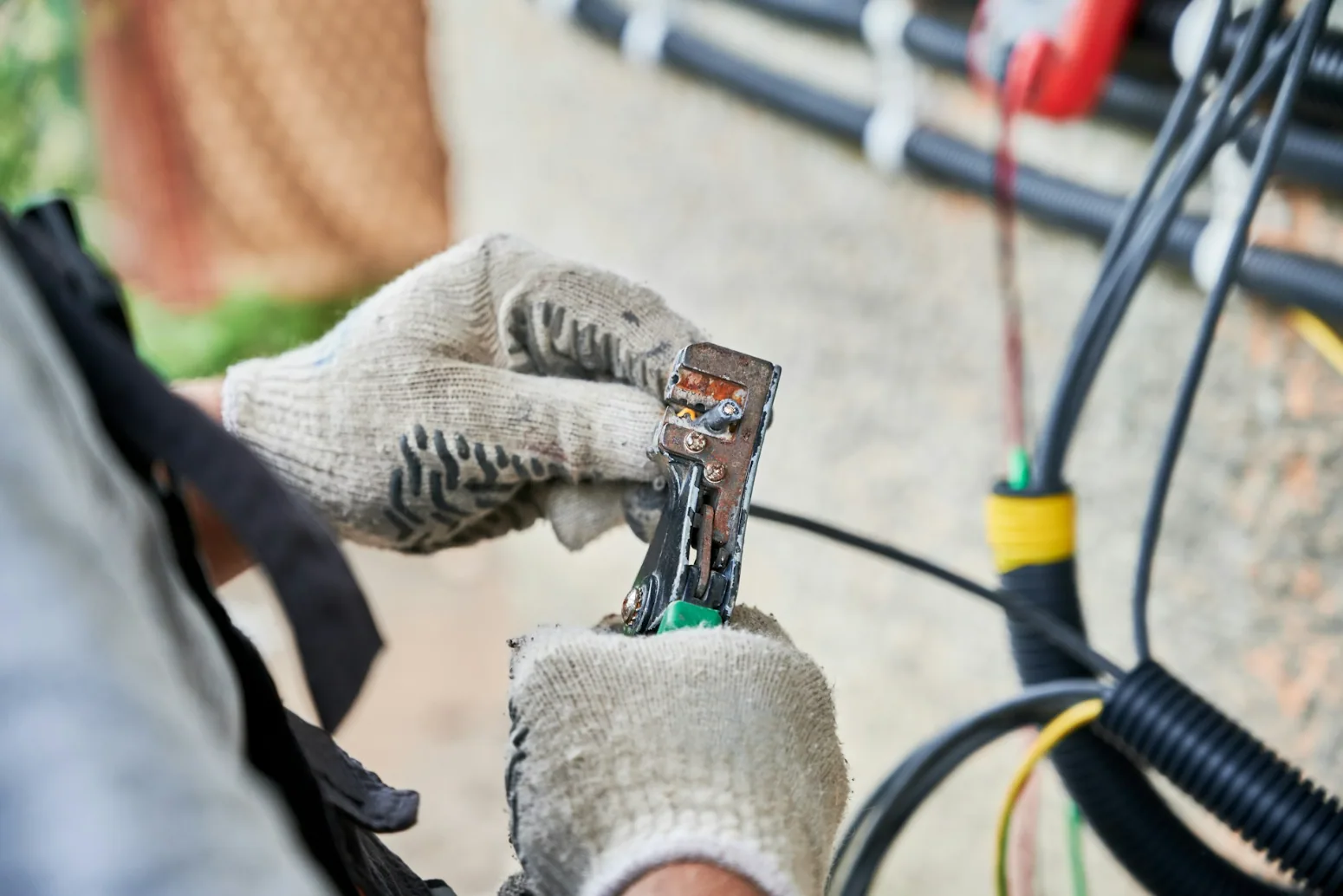
Maximum Ethernet cable length usually starts with the familiar 100-meter channel limit. That number comes from structured cabling standards that support interoperability across equipment, cable, and connectors. It is not a magic point at which the signal suddenly disappears, but rather the planning benchmark for reliable Ethernet performance. Exterior and underground environments add another layer to that question. The real issue is what determines whether a given run can reach its intended distance while maintaining signal stability. Direct burial cat6, exterior-rated jackets, shielding, and cable construction all influence that answer.
What Changes When the Run Goes Outside
The 100-meter standard does not automatically shrink when a network cable outside connects equipment across a commercial property, campus, yard, or exterior pathway. The distance target remains tied to the Ethernet channel design. What changes is the environment surrounding the cable.
An outdoor Ethernet cable faces conditions that a standard interior cable may not handle well. Temperature swings can affect insertion loss and electrical behavior. Moisture can attack jacket integrity and eventually reach conductors if the cable construction does not resist water ingress. UV exposure can degrade a jacket over time when the cable uses materials not intended for sunlight exposure. Heavy equipment, nearby power, lighting systems, motors, and building infrastructure can introduce electromagnetic noise.
This is where Ethernet cable exterior construction matters. The cable must carry the same data signal while resisting environmental stress. An exterior-rated cable may use jacket compounds that resist sunlight, moisture, and temperature variation. If the run passes through a high-noise area, shielding may also help maintain signal integrity.
The most important point is that distance and exposure belong in the same conversation. An outdoor Ethernet cable Cat6 run over a moderate distance may perform well when the cable construction matches the environment. A shorter run can still create problems if the jacket, shielding, or water resistance falls short of the conditions.
Direct Burial Cat6 for Underground Runs
Direct burial Cat6 is built for a specific kind of exposure: ground contact. General exterior-rated cable and direct burial cable are not the same thing. A cable may handle sunlight and weather exposure without being appropriate for direct soil contact or sustained moisture pressure.
An Ethernet underground cable requires construction that resists water ingress, pressure, and environmental contact. Direct burial constructions often include a jacket designed for underground exposure, and some cable types have additional water-blocking features. The purpose is to protect the internal conductors and preserve electrical performance when the cable is exposed to ground moisture, soil pressure, and temperature variations.
A Category 6 outdoor cable installed below grade must still meet the electrical requirements for Category 6 performance. That means the twisted pairs, conductor design, impedance, crosstalk control, and jacket construction all matter. The exterior rating does not replace the category rating. It adds environmental protection to the data performance requirements.
Exterior Cat6 cable can support cameras, gates, access control equipment, equipment shelters, service areas, and other commercial network endpoints. In these use cases, the cable may need to carry data and, in some cases, Power over Ethernet. The construction has to account for both signal performance and the physical environment.
There is also a practical distinction between a cable that passes through an exterior area and a cable that spends its service life in direct contact with underground conditions. The phrase "direct burial" should mean the cable was designed for that exposure, not merely that a standard Cat6 cable is being used below grade.
When a Run Needs to Exceed the Standard Distance
The standard maximum Ethernet cable length for balanced twisted-pair Ethernet remains 100 meters for the full channel in structured cabling design. That includes the permanent link and patch cord allowance. That benchmark works when equipment rooms, pathways, and endpoint locations fit within the standard distance model.
Some exterior or campus-style deployments create a different problem. A camera at the far end of a lot, a controller at the edge of a property, an access point near a remote structure, or an endpoint serving a large municipal or commercial site may sit beyond the distance where a standard channel reliably performs. In those cases, the question changes from basic category selection to extended reach planning.
Going beyond 100 meters over twisted-pair copper requires careful review of the application speed, power needs, equipment capability, cable design, and testing expectations. Lower data rates may tolerate longer reach in some circumstances, but that does not mean every Ethernet application will perform beyond the standard channel. Power over Ethernet adds another factor because voltage drop increases with distance.
Industry discussion around extended-distance guidance continues to develop. The TIA TR-42.7 subcommittee has worked on TSB-5073, a bulletin intended to address extended-distance guidance over balanced twisted-pair copper. That effort reflects the reality that commercial networks increasingly place devices beyond traditional building layouts. Cameras, sensors, controls, and edge devices have expanded where Ethernet runs need to go.
A longer cable does not automatically create a reliable link. The cable, connectors, application, equipment, and environment must all support the performance target. Exterior distance planning should happen before the run becomes a troubleshooting issue.
Matching Cable Construction to the Environment
Cable construction should match both distance and exposure. A short exterior run may still need an exterior-rated jacket because moisture and UV exposure do not care about length. A longer run may require greater attention to shielding, conductor quality, jacket material, and the overall channel design. An underground run needs a direct burial rating if the cable will face ground contact.
Shielding becomes important when electromagnetic interference is present. Exterior network pathways may pass near power distribution equipment, motors, lighting, access systems, or industrial equipment. Shielded cable can help reduce noise exposure when the project environment calls for it. That said, shielding only supports performance when the full system design accounts for it. The cable choice should align with the connectors, equipment, bonding approach, and project specification.
Jacket material matters because it protects the cable core. UV-resistant jackets address sunlight exposure. Water-resistant or water-blocking designs help protect conductors from moisture. Direct burial jackets support underground exposure. In some cases, an exterior pathway may need multiple protection characteristics at once.
The Category 6 rating still matters throughout this decision. A cable can have a tough jacket and still fail to meet expected data performance if the internal construction does not support category requirements. Likewise, a high-performing category cable can fail early if the jacket does not match the environment.
View exterior Cat6 planning as a layered decision. The first layer is data performance. The second is distance. The third is exposure. The fourth is electrical noise. A reliable exterior cable decision accounts for all four, rather than focusing on just one.
Planning the Right Cable for Distance and Exposure
Planning starts with three questions: how far the run needs to extend, what environment the cable will face, and what performance level the network requires. Those questions help distinguish among a standard category cable, an outdoor Ethernet cable, a direct burial Cat6 cable, and a shielded exterior construction.
The benefits of using direct burial Cat6 cable for outdoor installations come from matching construction to exposure. A direct burial cable addresses underground stress in a way that standard cable does not. For commercial network planning, that can support stronger long-term performance for cameras, access control equipment, controls, service areas, and other remote endpoints.
The category label and the environmental rating answer different questions. Category 6 describes data transmission capability. Exterior and burial ratings describe environmental performance. Shielding addresses noise exposure. The right cable selection brings those answers together.
For a deeper look at exterior cable selection, this guide to selecting the right exterior Ethernet cable provides additional context around jacket construction and performance considerations. The Category Cable Resource Center also offers a useful reference point for comparing category cable options.
Direct Burial Cat6 and Exterior Network Performance
Direct burial Cat6 and exterior-rated Ethernet cable both support network performance by addressing the conditions around the cable. The 100-meter maximum Ethernet cable length remains the standard benchmark, but exterior environments make the real performance question more complex. Moisture, temperature change, UV exposure, ground contact, electromagnetic noise, and extended-distance applications all influence how reliably a cable run performs.
A strong specification considers the full pathway, not just the cable category. Outdoor Ethernet cable, Ethernet underground cable, and exterior Cat6 cable each serve different environmental needs. A network cable outside may need one level of protection, while a direct burial run may need another.
The best starting point is to define the distance, exposure, data requirements, and power requirements together. For project-specific guidance tied to category cable, exterior pathways, or underground network infrastructure, use the contact page to connect with the team.
