Digital Media Cable Wire for HD-SDI, CATV & Satellite
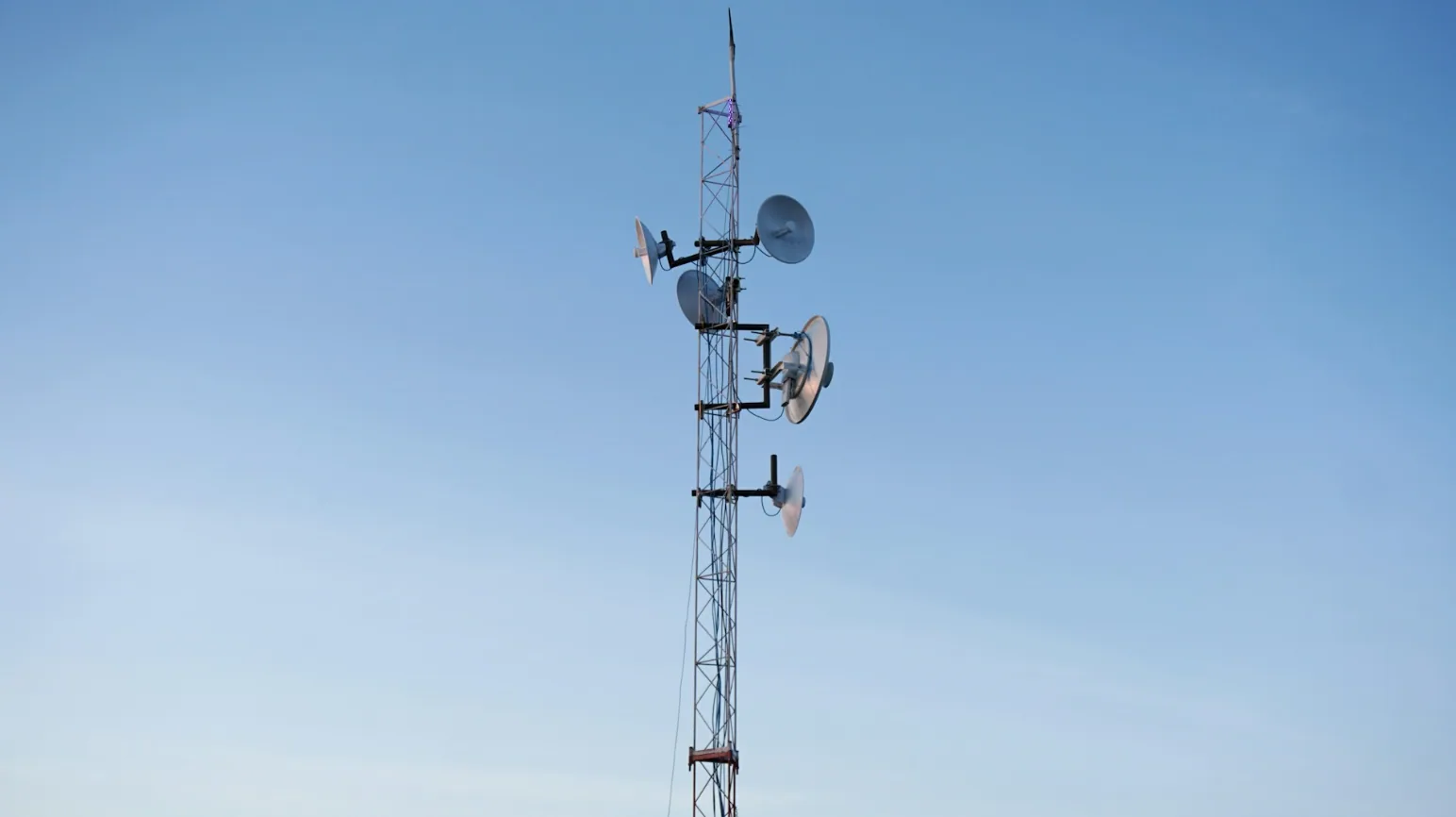
Digital media cable wire connects signal paths for broadcast, satellite, CATV, and commercial AV systems. As these environments moved from analog transmission toward digital formats, cable performance became even more closely tied to signal integrity. High-frequency video, RF distribution, antenna feeds, and facility-wide media paths all depend on cable construction that is well-suited to the application. This is a look at how coax cables, digital coax cable, RG59, HD-SDI paths, satellite feeds, and wireless broadcast cables support consistent signal transmission across communication and broadcast infrastructure.
What Digital Media Cable Wire Does Across Broadcast Systems
Digital media cable wire is a broad category that supports the movement of audio, video, RF, and data signals across professional media environments. It is not one single cable type. Instead, it includes different constructions that serve specific transmission needs, from digital video feeds to antenna distribution and CATV signal paths.
Coax cables play a major role because their construction supports high-frequency signals with controlled impedance. A center conductor carries the signal, insulation surrounds the conductor, shielding helps limit interference, and the outer jacket protects the cable structure. Digital coax cable builds on those same principles while supporting the cleaner, more consistent transmission needed for digital signal formats.
Signal integrity matters because broadcast-grade systems leave little room for inconsistent performance. A signal may travel through racks, patch points, processors, distribution equipment, and display or receiver endpoints. Any mismatch in cable type, impedance, shielding, or attenuation can affect the signal chain. Over time, those small losses can add up to visible errors, audio issues, data dropouts, or unstable receiver performance.
For broader context on high-speed digital media signal paths, this guide to how high-speed cables transform digital media transmission offers a related look at how cable construction supports signal movement.
HD-SDI Wire and Cable for Serial Digital Signal Transmission
HD-SDI wire and cable supports one of the most important digital video signal types in broadcast environments. HD-SDI stands for High Definition Serial Digital Interface. It carries uncompressed digital video over coaxial cable, which makes it a common choice in professional environments where signal quality, timing, and reliability matter.
Serial Digital transmission sends digital video as a continuous data stream. Unlike compressed network video, HD-SDI moves high-bandwidth video with very low delay. That makes it useful in studios, production control rooms, live event systems, production trucks, camera chains, routing systems, and broadcast feeds where timing matters.
Cable performance affects how far and how cleanly an HD-SDI signal travels. The signal depends on controlled impedance, low attenuation, strong shielding, and consistent construction. As frequency increases, cable loss becomes more important. A cable that works for one format or distance may not support another format at the same length.
The broader point is that HD-SDI cable selection should align with the signal format, equipment requirements, and distance. The cable is part of the video system, not just a connection between devices. When the cable supports the bandwidth and signal structure, the rest of the broadcast chain has a better foundation for stable performance.
Satellite and Wireless Broadcast Cable Applications
Satellite systems depend on cable paths that can carry RF signals between antennas, receivers, distribution equipment, and processing hardware. The satellite signal may begin at a dish or antenna and travel through coaxial cabling before reaching a receiver or headend. Along that path, attenuation, shielding, and connector compatibility can influence how well the system preserves signal quality.
Digital antenna wire and cable support antenna feeds where signal strength and noise control matter. Because RF signals can weaken over distance, cable loss becomes a key planning factor. The longer the run and the higher the frequency, the more important the cable’s attenuation characteristics become.
Wireless broadcast cables also support antenna-based systems that move signal between transmitters, receivers, antennas, and distribution equipment. These cable paths may appear in broadcast facilities, event venues, communication hubs, production environments, and other commercial systems where wireless signal infrastructure supports media or communication operations.
Shielding plays an important role in these environments. RF systems can face interference from nearby electronics, power equipment, transmitters, lighting systems, and other signal paths. A well-matched shielded cable can help reduce unwanted noise and protect the signal being carried. Frequency range also matters because a cable must support the system's operating band.
Satellite and wireless broadcast applications highlight a simple truth: the cable has to match the signal. A cable used for low-frequency baseband video may not serve the same purpose as a cable carrying a satellite RF signal. Both may fall within a broader media infrastructure category, but their performance requirements differ.
CATV Systems and RG59 Cable Considerations
CATV systems distribute television and RF signals across facilities, headends, equipment rooms, risers, and endpoint locations. These systems can serve commercial AV, hospitality, education, healthcare, institutional, and multi-unit environments. The cable network needs to preserve signal strength and limit interference across splitters, amplifiers, taps, patch points, and device connections.
RG59 cable has a long history in video and CATV-related applications. It can work well in shorter runs or lower-frequency applications where its attenuation profile fits the signal requirement. However, it may not be the right choice for longer or higher-frequency runs where a larger coax type with lower loss performs better. That comparison matters because CATV design depends on signal level management across the entire distribution path.
Impedance is another important factor. Many video and RF systems use 75-ohm coaxial cable. Keeping impedance consistent across the cable, connectors, and equipment helps reduce reflections and signal distortion. Shielding type also matters, especially in facilities with electrical noise or dense signal pathways.
The jacket rating should match the space and environment in which the cable operates. Plenum, riser, general-purpose, and other jacket categories address different building requirements and pathway conditions. The jacket does not define RF performance on its own, but it still forms part of the overall specification.
For additional background on coaxial cable’s role in AV signal systems, this article on the evolution and importance of coax cables in modern AV systems provides a useful companion resource.
How Cable Construction Affects Signal Stability
Signal transmission depends on more than the label printed on the jacket. Construction details can shape how a cable performs across HD-SDI, satellite, CATV, and wireless broadcast systems.
The center conductor affects resistance and signal behavior. Solid conductors may support certain high-frequency applications well, while stranded constructions can support flexibility in other uses. Dielectric material helps maintain spacing and electrical characteristics between the conductor and shield. Shielding reduces interference and helps contain the signal. The jacket protects the internal cable structure from the surrounding environment.
Attenuation deserves special attention. Every cable loses some signal over distance. In digital systems, that loss can reduce the receiver’s ability to interpret the signal cleanly. In RF systems, excessive loss can reduce carrier strength and make distribution less stable. Higher frequencies often experience more loss, which is why frequency range and run length belong in the same planning conversation.
Return loss, impedance consistency, and shielding effectiveness also affect performance. When a signal reflects, leaks, or absorbs excessive noise, the system may exhibit problems even when the cable appears physically intact. That is why broadcast and communication systems benefit from cable matched to the application, not just to the connector style.
Choosing Digital Media Cable Wire for Reliable Signal Performance
Choosing digital media cable wire starts with the signal type. HD-SDI, satellite, CATV, and wireless broadcast systems all move signal differently. They may share some coaxial construction principles, but they do not all place the same demands on bandwidth, shielding, attenuation, distance, or frequency response.
For HD-SDI, cable selection should support Serial Digital video bandwidth and timing. For a satellite, the cable needs to meet RF frequency requirements and minimize loss across the feed path. For CATV, cable choice should account for impedance, splitters, amplification, distribution distance, and signal level. For antenna and wireless broadcast cables, shielding and frequency range often become primary concerns.
The most useful way to evaluate a cable is by asking what signal it carries, how far it travels, what interference it may encounter, and what performance the receiving equipment expects. Those questions connect cable construction to system performance.
Digital media infrastructure works best when every signal path has the right cable behind it. Coax cables, digital coax cable, RG59 cable, HDSDI wire and cable, satellite feeds, digital antenna wire and cable, CATV distribution, and wireless broadcast cables all serve specific roles in the larger signal chain.
For more information about AV cable categories and digital media infrastructure, the AV Resource Center offers a helpful starting point. For project-specific guidance tied to broadcast, CATV, satellite, or media signal requirements, use the contact page to connect with the team.
