Ethernet Cable to Cable Connector in Network Systems
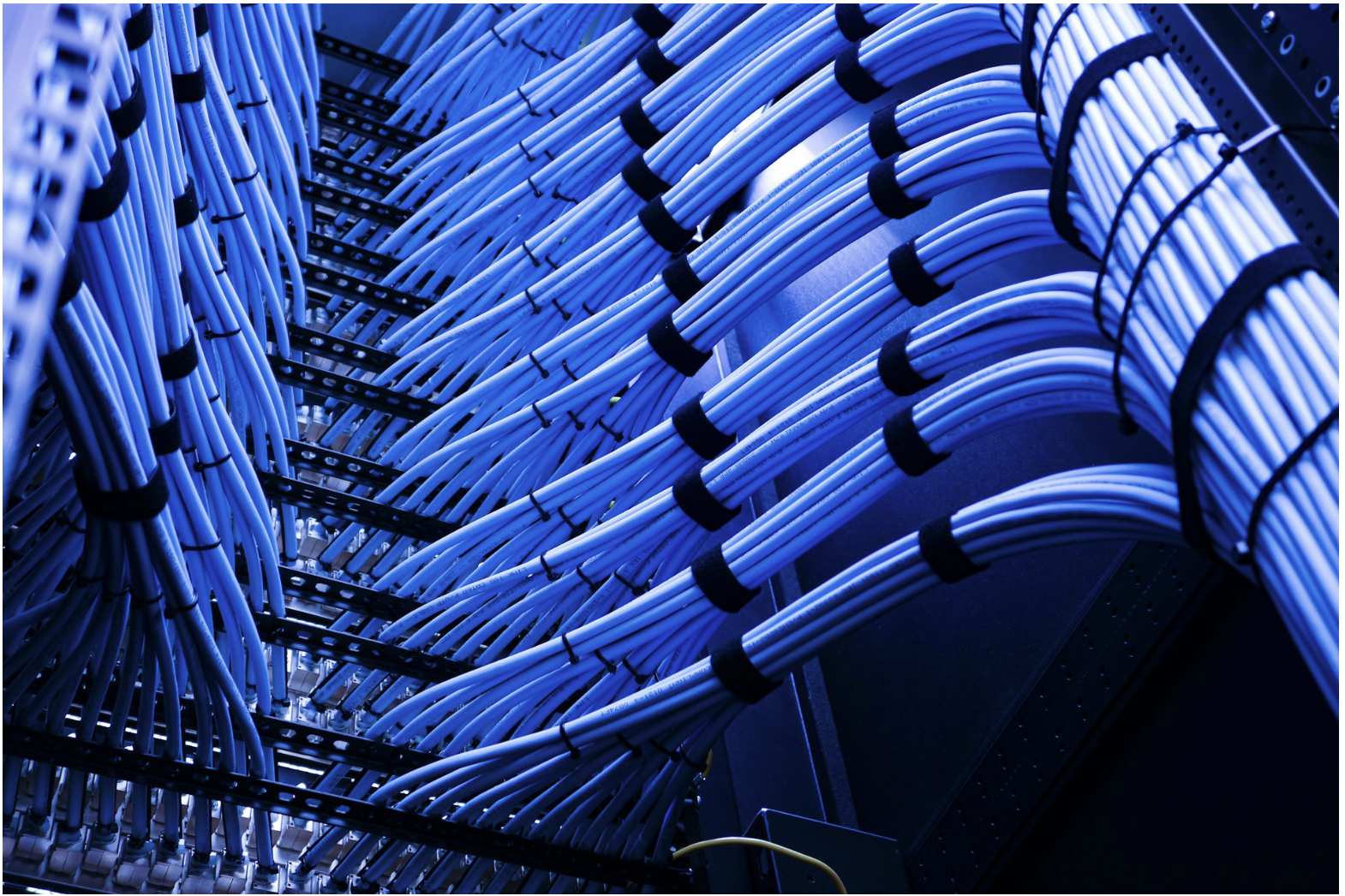
In a commercial network, every connection point has a role in how reliably the system performs. When a run needs to bridge a gap between cable segments, pass through a consolidation point, or connect within a structured cabling channel, the connector used matters.
An Ethernet cable to cable connector may look simple, but it affects signal continuity, insertion loss, and overall channel performance. From my perspective, this topic deserves more attention because connectors are often treated as convenience parts rather than performance components. This article explains what these connectors are, where they fit within network systems, and how they influence network cables in commercial environments.
What Is an Ethernet Cable to Cable Connector?
An Ethernet cable to cable connector joins two Ethernet cable segments within a network channel. It maintains signal continuity without adding active electronics, amplification, or switching. In plain terms, it allows one cable segment to connect to another so the signal can keep moving through the same channel.
Many people searching for an RJ45 cable are really looking for clarity around the connector interface. RJ45 commonly refers to the 8-position, 8-contact connector format used in many Ethernet connections. The cable carries the signal, while the RJ45 plug or jack creates the physical connection point that allows the cable to interface with equipment, panels, outlets, or another cable segment.
Several connector types are used in structured cabling systems. Inline couplers often join two patch cord ends. Field-terminated RJ45 plugs create a plug end on a cable segment. Keystone jacks appear in wall plates, patch panels, and fixed connection points. Each form serves a different context and contributes to channel performance.
That distinction matters because a connector does not simply neutrally extend the cable. It becomes part of the signal channel. The cable, connector, plug, jack, and cord all function together as one complete path.
Where Connectors Sit in a Structured Cabling Channel
A structured cabling channel is the complete end-to-end signal path from the network switch to the connected device. In many commercial networks, that channel includes a permanent link, patch cords, and connection points.
The permanent link is the fixed horizontal cable run, often designed around a maximum of 90 meters. Patch cords are the shorter, flexible cables that connect network equipment to patch panels, wall outlets, or endpoint devices. Connection points include jacks, plugs, couplers, and other interfaces that join the physical segments together.
This is where connectors become important. In the common TIA channel model, a compliant channel supports only a limited number of connection points. Each RJ45 plug, jack, coupler, or similar interface counts toward that channel structure. When an Ethernet cable to cable connector is added to the run, it uses one of those connection point positions and becomes part of the channel’s performance profile.
The signal does not distinguish between a connector added for convenience and a connector included in the original channel design. It simply moves through every interface along the path. Each one has electrical characteristics, and each one adds a small but measurable effect to the total channel. For commercial network systems, this becomes especially relevant when the channel already includes patch panels, work area outlets, equipment cords, and endpoint patching.
How Connectors Affect Signal Performance
Insertion loss is the central concept in connector performance. Every part of a cabling channel attenuates the signal to some degree. Cable length adds loss as the signal travels across copper conductors. Connectors add their own loss at the point where two interfaces meet. The more components in the channel, the more the full signal path has to be evaluated as a system.
This matters most when a channel runs close to its length limit or operates at higher frequencies. A shorter run with strong performance margin may tolerate an added connector without much concern. A longer run near the standard channel limit has less available margin. In that case, every connector becomes more important because the channel has already used much of its available signal budget.
Cable category adds another layer. Cat6 cables and category 6 cable operate at higher frequencies than older cable types, which means the quality of every connector becomes more significant. A Cat6 channel should use Cat6-rated connectivity throughout the path. If lower-rated connectors are used in the channel, they can degrade the performance of the entire link. The cable itself may have the right rating, but the channel only performs as well as the combined path allows.
Cable category alone does not define channel performance. Connectors, patch cords, jacks, and terminations all affect the outcome. An Ethernet cable to cable connector may be passive, but it is not invisible.
Connector Performance in Commercial Environments
Commercial buildings introduce conditions that differ from a clean lab model. Long horizontal runs may approach the upper range of the permanent link distance. High-density equipment rooms may include multiple patching points. Multi-floor layouts may add more physical complexity to the channel. Warehouses, campuses, and industrial facilities may require longer pathways, heavier device counts, and more demanding network loads.
In these environments, network optimization starts with understanding the complete path. The cable, connector, patch cord, and endpoint interface all contribute to the way the network performs. If the channel includes too many connection points or mismatched components, the system may lose performance margin before it reaches the device.
Power over Ethernet adds another consideration. PoE-enabled systems send power and data through the same cabling. That can create heat in bundled pathways, especially where many cables run together. Heat can affect insertion loss, which makes performance headroom more important. In that context, connector quality and cable category both matter because the channel must support both electrical load and data transmission simultaneously.
Cat6 cables remain common in many commercial networks because they support strong performance for a wide range of applications. Category 6 cable can serve data, voice, wireless access points, cameras, access control devices, and other connected systems. Still, as bandwidth demands increase and PoE loads become more common, each component in the channel deserves closer review.
Why Connector Count Matters for Network Optimization
Network optimization depends on predictable signal behavior. A network cable channel with fewer unnecessary connection points usually has fewer places where loss, mismatch, or physical failure can enter the system. That does not mean every connector creates a problem. It means connector count should be part of the channel design rather than an afterthought.
Each connector also becomes a physical dependency. A plug can loosen. A coupler can wear. A connection point can collect dust, experience strain, or become harder to troubleshoot in a crowded network space. In commercial systems, the cost of a weak connection often shows up as intermittent performance, failed testing, or time-consuming diagnostics.
This is why an Ethernet cable to cable connector should be viewed as part of the structured channel, not just a quick way to extend a run. When it fits the channel design and meets the same category requirements as the rest of the system, it can support continuity. When added without accounting for distance, connector count, or category rating, it can reduce the channel's performance margin.
Connecting This Topic to Broader Network Infrastructure
Ethernet connectors are only one piece of structured cabling, but they touch many parts of commercial network planning. Data networks, security systems, cameras, access control platforms, and fuel-site payment systems can all depend on reliable cable pathways.
An Ethernet cable to cable connector is not just a passive accessory in a commercial network system. It joins cable segments, but it also occupies a position in the channel, contributing to the overall insertion loss. When connectors, patch cords, RJ45 plug interfaces, and network cables work together correctly, the channel has a stronger foundation for consistent performance.
The key is understanding the full relationship between connector count, cable category, channel length, and performance demand. Cat6 cables and Category 6 cable can support many commercial applications, but the connector hardware must meet the channel’s performance expectations. In that sense, network optimization starts with the complete signal path.
For teams reviewing structured cabling requirements, connector choices, or network system layouts, the category cable resource page provides more information or, the contact page offers a direct way to continue the conversation.
