Digital Media Cable Wire in Pro AV Systems: Supporting Audio, Video, and Control Performance
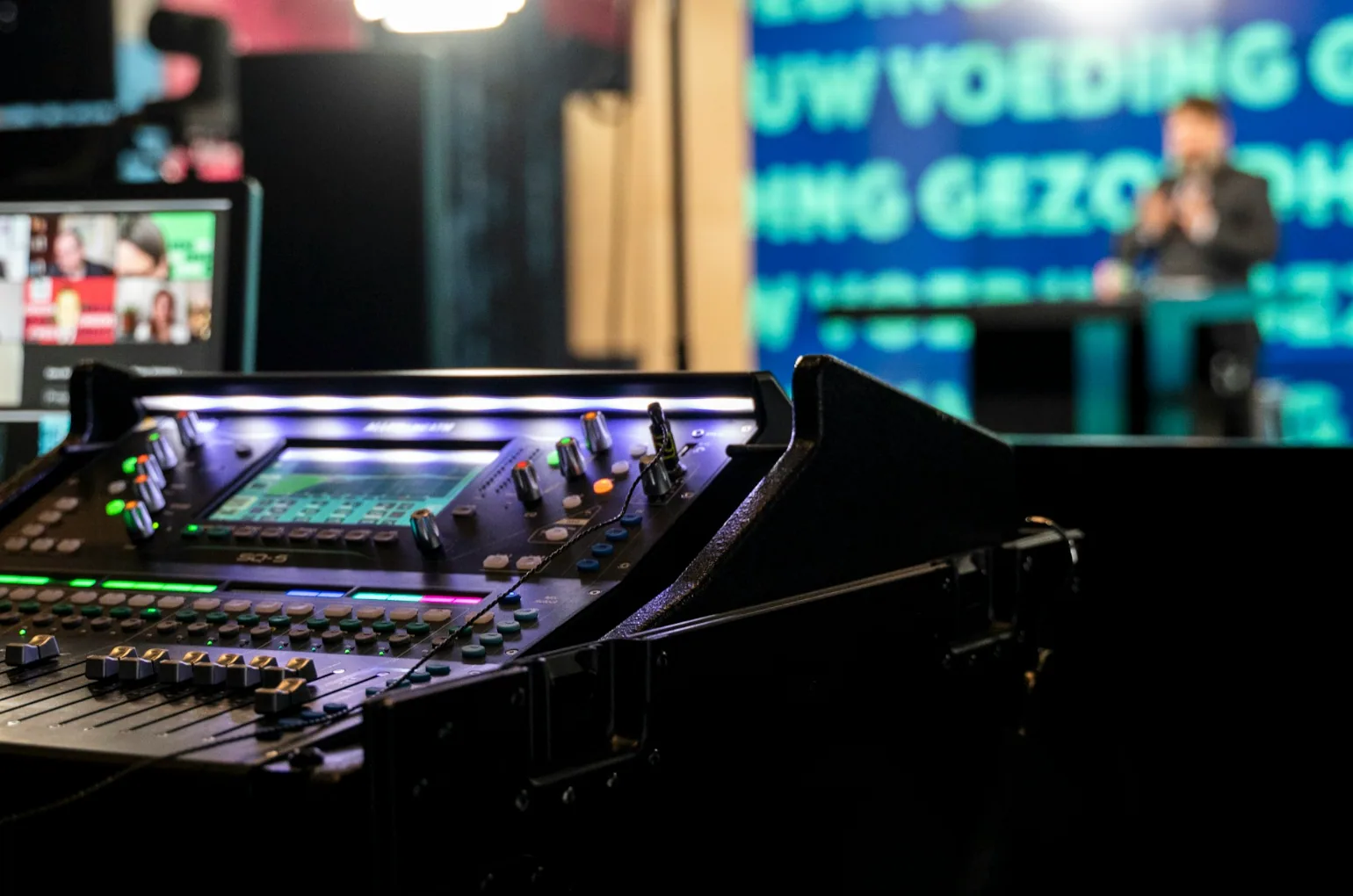
Modern Pro AV systems integrate audio, video, and control into a single coordinated environment. Conference rooms, corporate campuses, hospitality venues, and command spaces depend on signals moving cleanly between sources, processors, displays, speakers, lighting systems, and user interfaces. Digital media cable wire sits at the center of that coordination. It supports communication between separate subsystems that must respond together, without avoidable delay or dropout. Strong AV performance starts with understanding how the cable layer supports the full system.
Audio, Video, and Control: Three Subsystems, One Infrastructure
A commercial Pro AV system usually combines three different signal environments. Each one has its own performance demands, but all three rely on consistent cable infrastructure.
Audio signal paths carry program audio, microphone feeds, paging, and distributed sound. An AV audio cable may connect source devices to processors, while speaker cables carry an amplified signal to loudspeakers across meeting rooms, event spaces, training areas, or public zones. Signal consistency matters because loss, noise, or imbalance in the cable path can affect clarity and level across areas.
Video signal paths move content between source devices, switchers, processors, and displays. Digital media cable wire often supports HD and 4K video signals in rooms with presentation screens, digital signage, collaborative displays, and centralized AV racks. Video depends heavily on a clean signal transfer because image dropouts or sync issues can immediately disrupt the user experience.
Control signal paths connect touch panels, sensors, processors, lighting interfaces, and devices. This is where Crestron, AMX, and Lutron enter the conversation about systems. A control cable may not carry the same bandwidth as a video path, but it plays a critical role in how the entire room responds.
How Control Systems Depend on Digital Media Cable Infrastructure
A control system gives a commercial Pro AV environment its coordination layer. It turns separate audio, video, lighting, and room functions into a unified user experience. That experience depends on clear communication between the processor, interfaces, endpoints, and controlled devices.
Crestron control systems often coordinate AV signal routing, display commands, source selection, shades, scheduling, and room automation across commercial spaces. The control cable infrastructure carries commands between processors, touch panels, keypads, switching equipment, and connected AV devices. If the signal path introduces inconsistent continuity or interference, the command layer can lose the reliability that users expect.
AMX platforms serve a similar role by managing AV switching, source control, and device communication. The benefits of AMX and Crestron integration in Pro AV control systems become clear when a single interface can trigger multiple functions simultaneously, such as powering displays, routing video, adjusting audio levels, and changing room mode. Those benefits depend on a stable cable layer that matches the signal type and supports consistent device communication.
Lutron adds another important piece through lighting control. In integrated commercial spaces, lighting scenes often align with AV modes. A presentation mode may dim fixtures, lower shades, activate a display, and route content from the main source. A collaboration mode may raise light levels and shift the display layout. Digital media cable wire and control cable pathways must support switching events without conflict between subsystems.
Control platforms can only coordinate what the infrastructure allows. A weak cable link can affect the broader system, even when the active equipment has the right capability.
Patch Cables and Their Role in Signal Flow
Patch cables may seem secondary compared with longer cable runs, but they perform an important role in commercial Pro AV signal flow. They connect rack-mounted equipment, processors, switch panels, wall plates, source devices, displays, and AV components. In many spaces, signals pass through several short connections before they reach the final endpoint.
Signal integrity at the patch cable level matters because these short connections often sit where signals get routed or distributed. A patch cable with poor shielding, inconsistent construction, or the wrong rating can introduce noise or loss into an otherwise strong signal path.
This becomes especially important when Crestron or AMX equipment manages source switching and routing. The control system responds to the devices and signal states it sees. If patch cables create intermittent behavior, the system may appear inconsistent even when the core processor or switcher functions correctly.
Patch cable selection should align with the broader pro AV cable specification. Mixing cable grades within one signal chain can create weak points that make troubleshooting harder and performance less predictable. The article on Pro AV cables that keep your signal strong and steady expands on how different AV cable types support signal quality across commercial systems.
Matching Cable Type to Signal Environment in Commercial Pro AV
Different Pro AV signals need different cable characteristics. The goal is to match the cable type to the signal environment so the full system performs consistently.
Speaker cables carry amplified audio from amplifiers to loudspeakers. In distributed audio across large commercial spaces, conductor gauge, cable construction, and run length can affect output level and tonal consistency. Larger spaces with multiple audio zones may require attention to power levels, speaker layout, and the expected distance from the amplifier.
AV audio cable carries balanced or unbalanced signals between source equipment, mixers, processors, amplifiers, and other audio devices. Shielded constructions matter in commercial environments because audio signals can pick up interference from lighting systems, control wiring, power sources, and adjacent signal paths. A clean audio signal path helps preserve speech intelligibility and program clarity.
Control cable supports low-voltage command and communication paths for systems such as Crestron, AMX, and Lutron. These runs may involve touch panels, processors, sensors, relays, lighting interfaces, or other connected devices. Twisted-pair and shielded constructions can help reduce noise exposure and maintain reliable continuity across larger commercial facilities.
Digital media cable wire for video supports signal transport between sources, processors, switchers, and displays. HD and 4K signals place higher demands on the cable path than basic control signals. Construction, shielding, conductor quality, and compatibility with equipment all affect how cleanly the signal arrives. For more details, the resource on enhancing AV systems with digital media cable wire provides relevant context on digital media performance.
Signal Coordination Across Commercial AV Ecosystems
The most important part of a commercial Pro AV system is not one isolated cable or device. It is the coordination between subsystems. Audio, video, control, and lighting all interact in real time. When a user taps a touch panel, the control processor may route a video source, adjust audio, trigger lighting control, change the display input, and activate conferencing equipment through a single command sequence.
That sequence can involve multiple cable types. A control cable carries the command. Digital media cabling supports the video path. An AV audio cable or speaker cable carries the audio path. Patch cables connect active devices inside the rack. Lutron lighting controls adjust the visual environment. Crestron or AMX equipment may coordinate the broader room response.
When each cable path matches its signal environment, the system has a stronger foundation for predictable performance. When one path creates a weak point, the issue can show up as audio noise, delayed commands, display dropouts, inconsistent lighting response, or unreliable source switching.
Think of digital media infrastructure as a system-level concern rather than a single product category. A Pro AV design may include several signal types, but users experience the result as a single room or facility.
Practical Considerations for Commercial System Planning
A few planning factors help frame the cable discussion. Signal type should guide cable selection because audio, video, and control signals behave differently. Distance also matters, since longer runs can increase signal loss and make interference more noticeable.
Pathway density deserves attention in commercial AV environments where multiple cable types may share the same spaces. Shielding, construction, compatibility with active equipment, and consistency across fixed cabling, patch cables, connectors, and endpoints all affect system behavior. A strong main cable run cannot fully compensate for weak connections at the rack or endpoint.
Digital Media Cable Wire as the AV Coordination Layer
Digital media cable wire supports the infrastructure that enables commercial AV systems to operate as a single coordinated environment. It carries video paths, supports device communication, and works alongside control cables, speaker cables, AV audio cables, and patch cables to keep signal flow organized. In spaces built around Crestron, AMX, and Lutron platforms, the cable infrastructure helps translate user commands into coordinated audio, video, and lighting responses.
The better point is that the right cable type, matched to the right signal environment, reduces avoidable performance issues and supports cleaner integration across the system. For product options tied to commercial AV signal paths, the AV Resource Center provides a helpful reference. For project-specific guidance, the contact page offers a way to review cable requirements against the broader Pro AV scope.
